
Last updated November 20, 2026
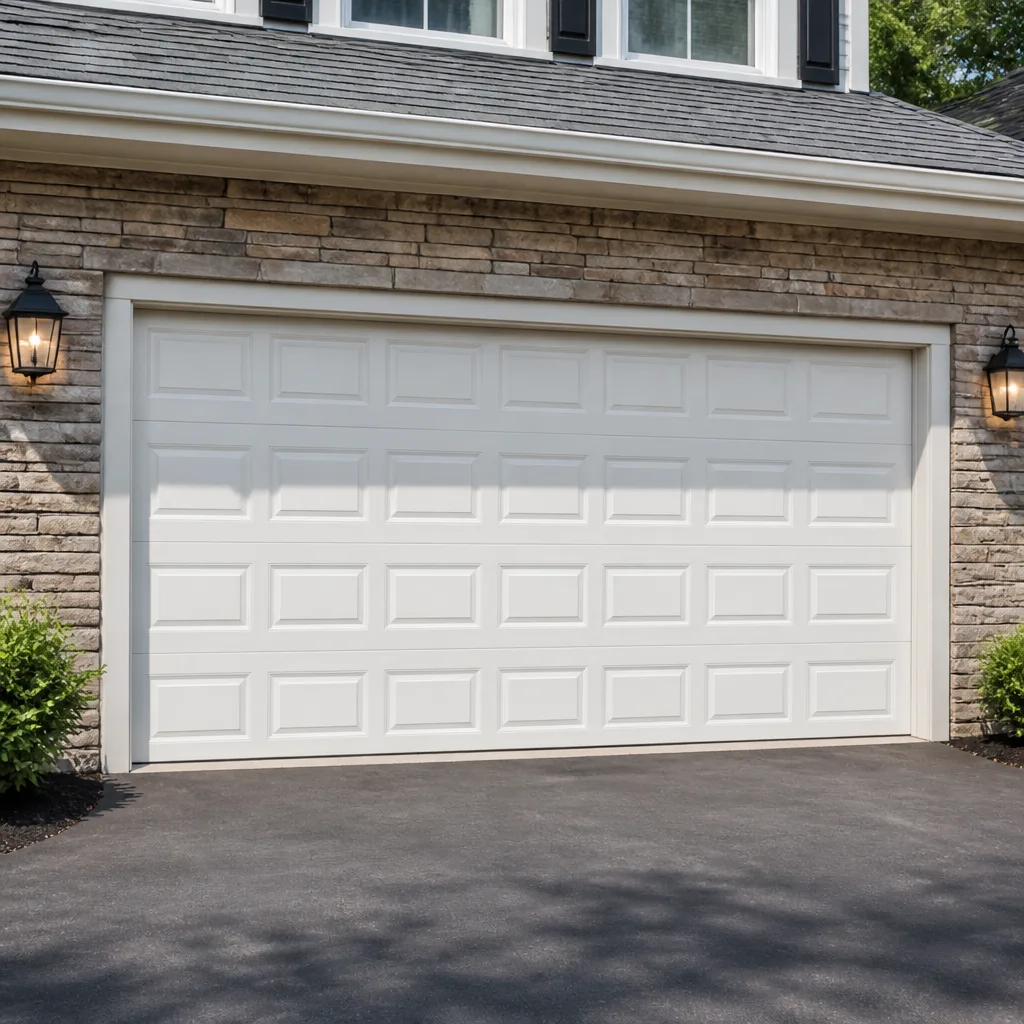 Raised-panel steel
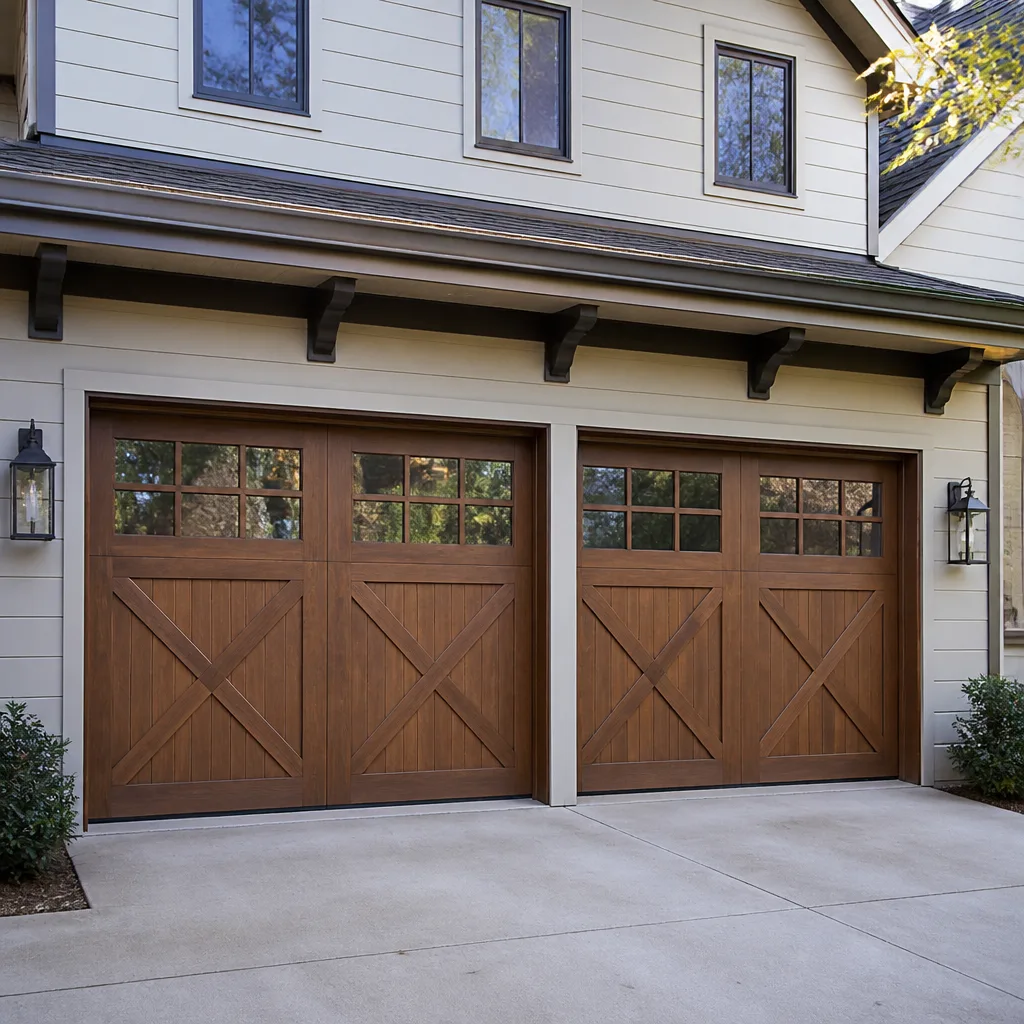 Carriage house
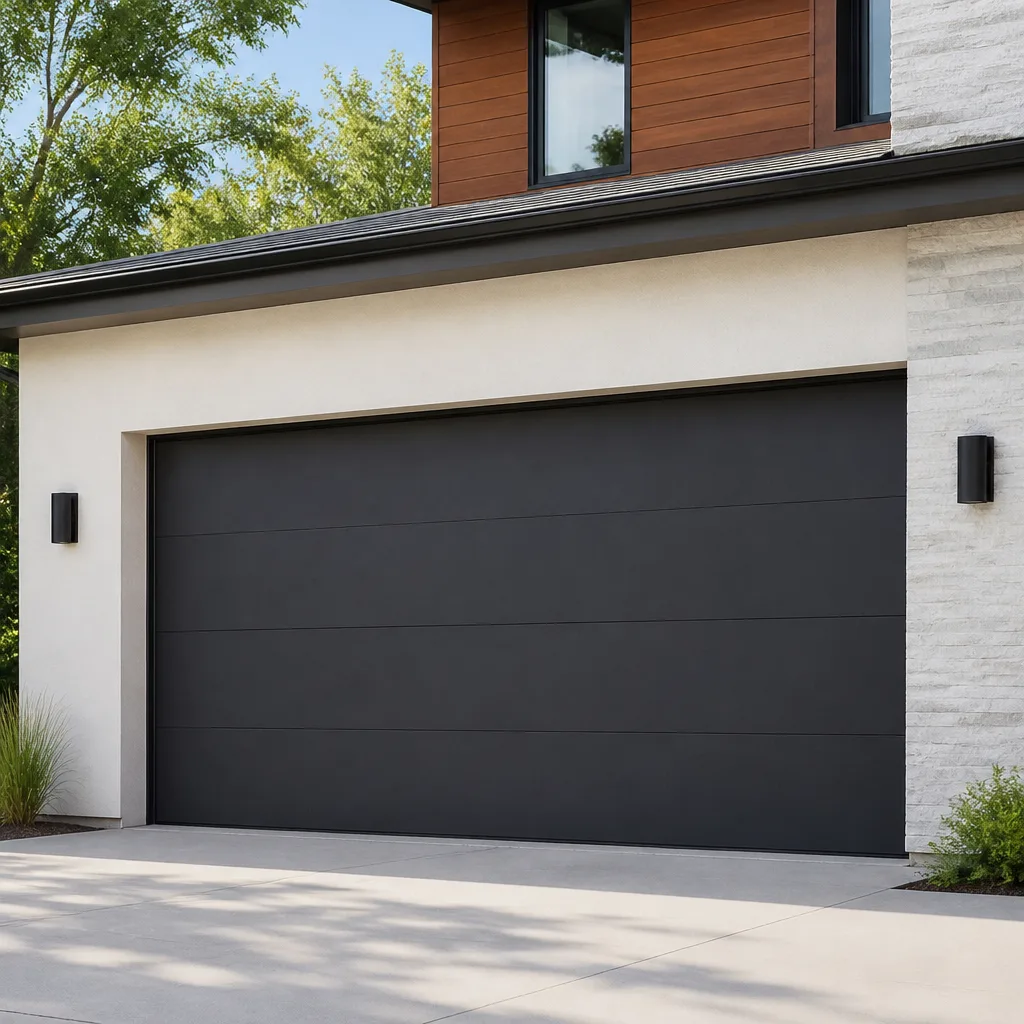 Modern flush
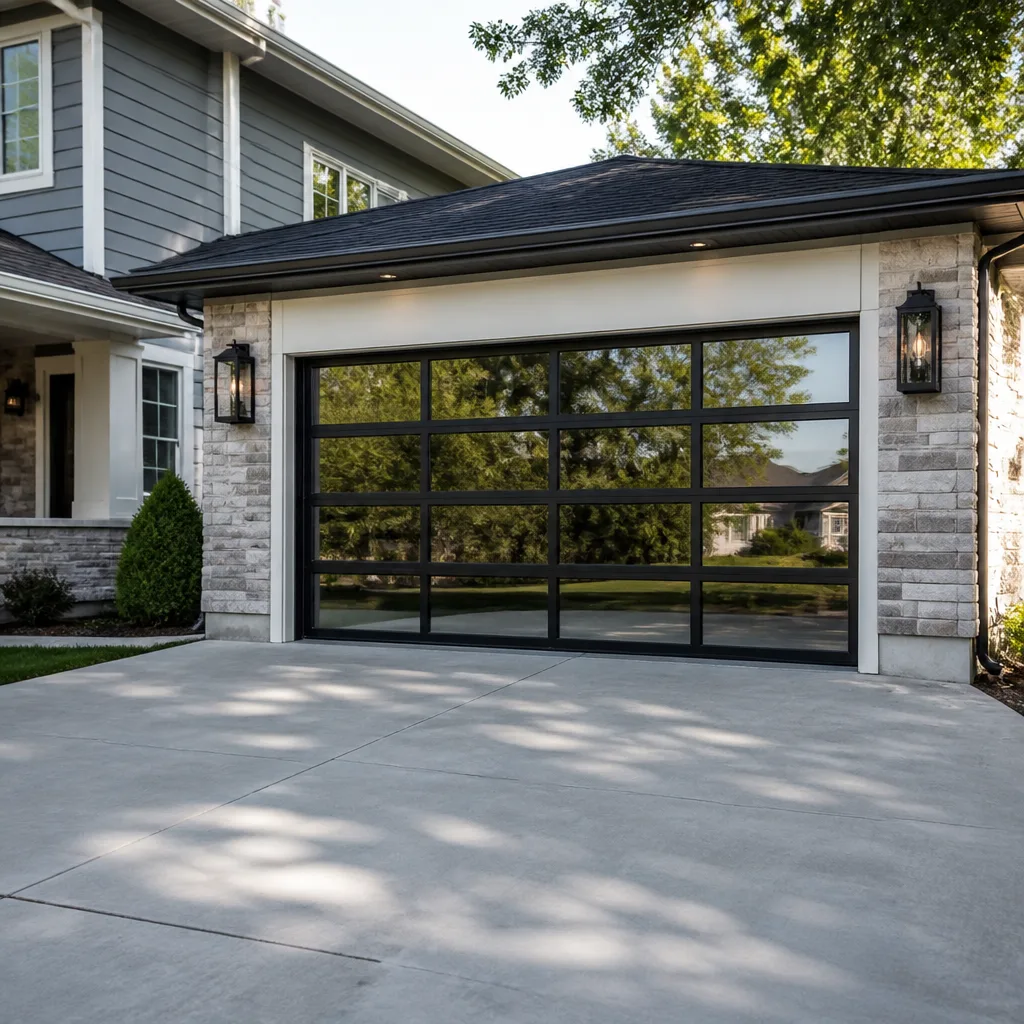 Full-view glass
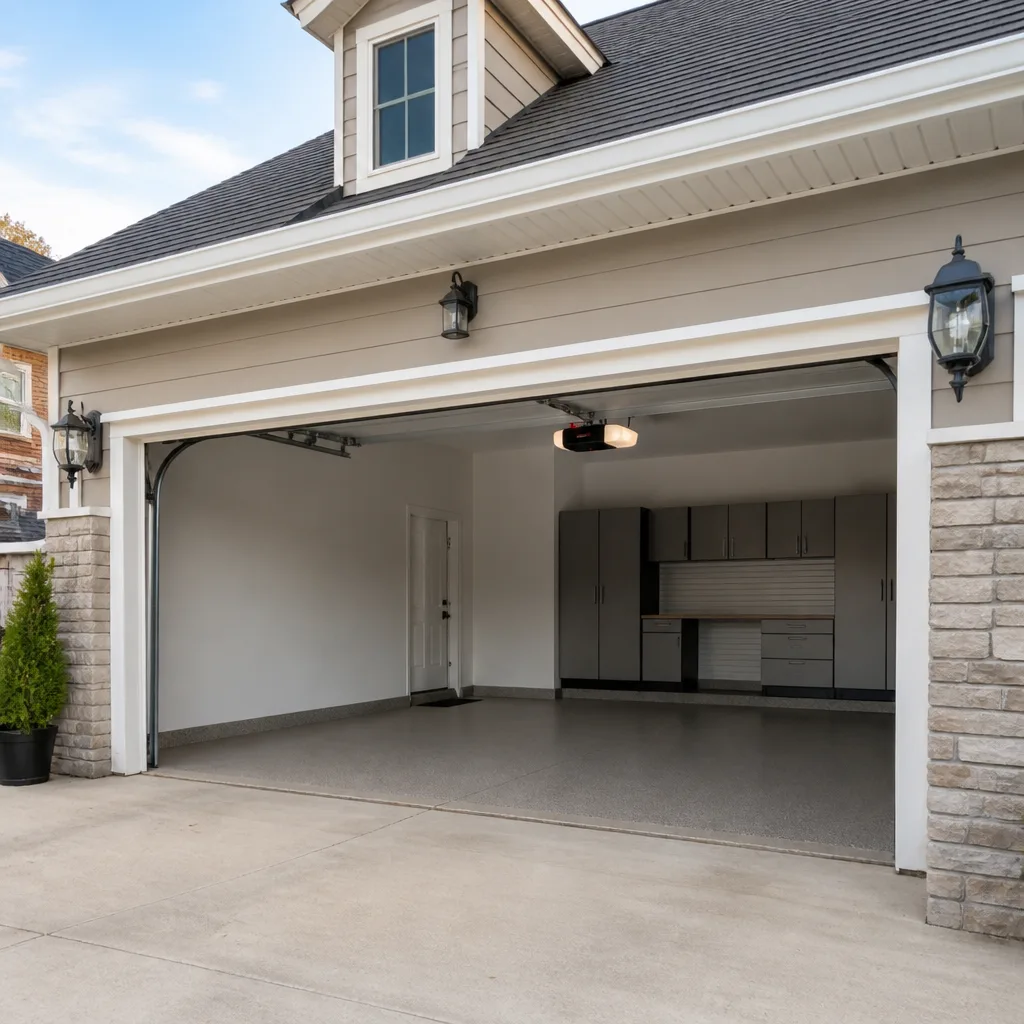 LiftMaster openers
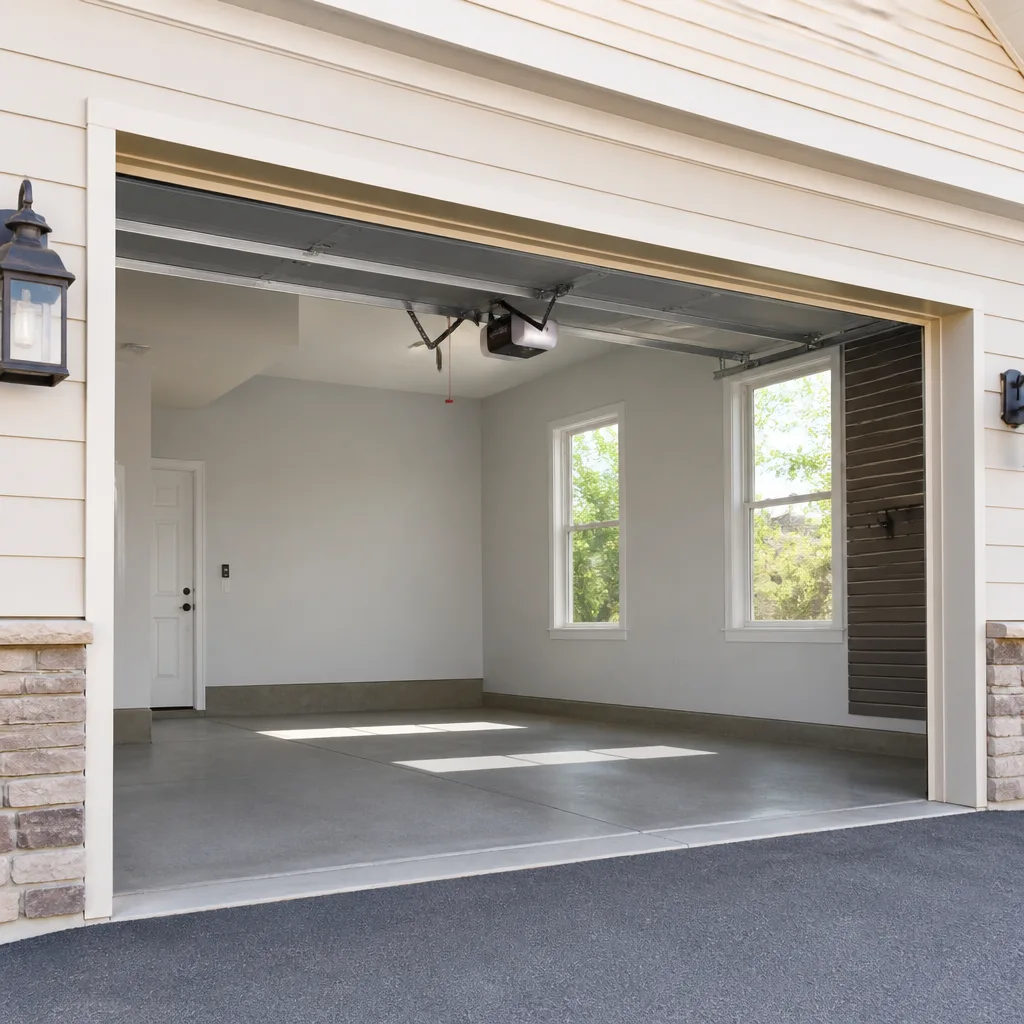 Chamberlain openers
Full 25-point door and opener safety check with every visit - springs, cables, rollers, tracks, and your LiftMaster or Chamberlain opener included
You get a price before we start. It does not change when the pro arrives.
Get your free estimateThe Complete Guide to Garage Doors in Bridgeport
Most garage door guides are written for a suburb in Arizona. Bridgeport isn’t that. Homes here sit under nor’easters that swing temperature forty degrees in a day, near Long Island Sound where damp air works on steel year-round, and on streets where the housing stock predates the two-car garage as a standard feature. The generic advice you find online – “buy a steel door, lubricate the springs, done” – misses the parts that actually cost Bridgeport homeowners money.
So we wrote the guide we wish every homeowner here had before they call anyone. It covers how our weather and housing shape spring wear, why a pre-1970 opening rarely takes a stock-size door, what materials survive a decade in this climate, and how to decide between repairing a door and replacing it. Our technicians have up to 11 years of experience, and this is the knowledge they use on every job.
Quick Answer
The right garage door decision in Bridgeport comes down to three things: the age and condition of your springs and opener, the actual size of your opening (older homes often can’t take standard sizes), and the material that holds up under local humidity. Repair usually wins when the door panels, hardware and opener are sound and only springs or moving parts have failed. Replacement wins when multiple systems are worn, panels are cracked or the opening is non-standard. Either way, get a written estimate that names the brands involved before any work starts.
Numbers you’ll want: Our technicians have up to 11 years of experience. We answer 24/7. Fast dispatch from 7am to 7pm, Sunday through Friday, and we’re closed Saturday. Call (844) 647-0405 for a free estimate.
Styles & brands we work with
- Raised-panel steel
- Carriage house
- Modern flush
- Full-view glass
- LiftMaster openers
- Chamberlain openers
Table of Contents
- Why Bridgeport Garage Doors Wear Differently
- The Pre-1970 Opening Problem
- Repair or Replace? The Decision Tree
- Which Door Materials Last in This Climate
- Springs: The Part That Fails First
- Choosing an Opener That Matches Your Door
- One Contractor Instead of Two
- What Garage Door Work Costs in Bridgeport
Why Bridgeport Garage Doors Wear Differently
Bridgeport sits in a climate that stresses garage door systems on all four fronts at once: temperature swings, humidity, freeze-thaw cycles and wind-driven rain. Every one of those works on a different part of the door.
The temperature swings matter most for springs. Steel springs are designed to hold tension across a range of temperatures, but when the mercury drops at night and climbs by afternoon, the metal expands and contracts. Each of those cycles is small, but a spring that opens and closes four times a day racks up thousands of them in a season. That’s part of why spring failure catches homeowners off guard – the spring isn’t visibly broken until the day it snaps.
Humidity does its work on the steel track, hinges and rollers. In homes close to the water, and even a few miles inland where the damp settles into a garage overnight, bare metal hardware starts to show rust earlier than it would in a dry climate. That rust creates friction, and friction on a track slows the door and strains the opener. It’s not a dramatic failure – it’s a slow drag that gets worse over months.
- Temperature swings work on springs and the opener’s internal gears.
- Humidity attacks tracks, hinges, rollers and bare steel fasteners.
- Freeze-thaw cycles shift the slab and can pull the bottom seal out of alignment.
- Wind-driven rain works on seals and weatherstripping, which is what causes water to reach the garage floor.
What that means practically: tracks need cleaning and lubrication on a schedule here, not “once a year if you remember.” Springs need inspection before the season really turns. Weatherstripping that looks fine on a warm day may be letting in water by February. The garage door repair we do in Bridgeport leans heavy on track and hardware upkeep because that’s where the local conditions bite first.
The Pre-1970 Opening Problem
Walk down any residential street in Bridgeport and you’ll find homes built well before a two-car garage was a realistic expectation. Garages from that era are often single-car, sometimes freestanding, and very often not built to a standard the modern door manufacturers target.
That matters because garage doors are sold in standard widths. A current stock door comes in common sizes for common openings. When your opening is off by even a couple of inches – and older Bridgeport openings often are – a standard door won’t fit without modification. Sometimes the fix is a custom-sized door. Sometimes the header is the issue and it needs to be addressed before any door goes in. And sometimes a door can be sized to fit the actual opening with just minor adjustment.
Homeowners here run into this the hard way. They order a door online or from a big-box store based on the “standard” size, and it arrives wrong. We’ve seen this same problem repeat across the city, so we’ve built a habit around it: measure the opening before anything else.
What we do first on a Bridgeport install or replacement:
- Measure the actual opening height and width, not the nominal size.
- Check the header and side jambs for straightness and for movement – a sagging header requires a different conversation.
- Check the overhead clearance, since older garages sometimes have low ceilings or duct work in the way.
- Confirm the opener mounting point and any electrical supply before choosing a door system.
- Get the door ordered to match what’s actually there, not what the spec sheet assumes.
That last step is where the worst installs happen. A door that “fits” by a quarter inch can bind on the track by the end of its first year. On a pre-1970 Bridgeport opening, the measure is the job.
Repair or Replace? The Decision Tree
This is the question we get asked most. The honest answer almost always comes down to how many systems have failed, not how old the door is. Age alone doesn’t decide it.
Here’s the way to think it through, in order:
- Is the door itself sound? If your panels are intact, the frame is straight, the hinges and rollers are serviceable and the door runs true in its tracks, repair is usually the answer.
- Is only the spring or opener failing? Springs are a wear part and a single failed spring doesn’t mean the door is done. Same with an opener. Replacing one worn component on a healthy door is usually the most cost-effective fix.
- Are two or more systems failing at once? Springs plus tracks, or opener plus a door that’s started to sag, or a door with cracked panels and a tired opener – that’s a “replace” conversation. You’re paying twice in the near future otherwise.
- Is the opening wrong? If the door is fighting a non-standard opening or a sagging header, a replacement addresses the underlying problem. Repairing on top of a structural issue tends to be the repair you regret.
- Is the door the last one you want to buy? If you plan to stay in the house, a modern door with up-to-date springs and an opener set that matches its weight saves you on the back end.
Where the line sits varies by home. In our experience, a door that’s still running clean with just one worn part is worth repairing. A door that’s fighting the tracks and its own weight is throwing money at a problem. If you want a straight read on your specific door, the honest answer comes from someone looking at it, not from a checklist. Get a free estimate from Bridgeport Garage Door Repair Pros and you’ll know which bucket you’re in before you spend a dollar.
Which Door Materials Last in This Climate
The three materials most Bridgeport homeowners weigh are steel, wood composite and aluminum. Each has a clear strength and a clear weak spot in this climate. Ten years out, the gap between them is mostly about how much upkeep you’re willing to do.
- Steel – The most common choice. Steel holds up well against humidity and temperature swings, provided the finish is intact. Its weakness is any breach in that finish: once a chip or ding exposes bare steel, the damp air starts working on it. A galvanized or factory-finished steel door lasts a decade here with normal care and is the easiest match to a standard opening.
- Wood composite – Warms up the look of an older home and takes paint well. The trade-off is that composites still expand and contract, and seals need watching. A quality composite with a protective skin handles the humidity well; a lower-end one can start to swell at the bottom edges after several seasons. If you want wood looks in a Bridgeport home, composite is usually the better call than real wood.
- Aluminum – Light, won’t rust and doesn’t mind the humidity. Its weakness is that it dents more easily than steel and can feel less substantial if you’re replacing a heavier door. On a low-clearance older garage, though, aluminum’s lighter weight sometimes pairs better with an existing opener and spring setup.
The single climate point that beats all the material comparisons: whatever you buy, finish it and maintain it. A steel door with intact paint handles Bridgeport humidity for a decade. A steel door with a three-inch rust patch at the bottom does not. The material matters less than the care it gets.
Springs: The Part That Fails First
Springs are the single most common failure point on any garage door in any climate, and they’re also the most dangerous part of the system. A garage door spring holds a huge amount of tension. When it goes, the door comes down with the full force of that energy. If someone is under the door when it happens, the result can be serious injury. This is not a repair to attempt with YouTube open on your phone.
There are two spring types you’ll see on Bridgeport homes:
- Torsion springs – Mounted above the door on a shaft, twisted under tension. Most modern doors use torsion. A torsion spring failure usually announces itself with a loud snap.
- Extension springs – Mounted along the sides. Common on older doors, including many pre-1970 Bridgeport installs. Extension spring failures are more dangerous because the spring can fly off its track if the safety cable is missing or broken.
What to watch for before a spring fails:
- The door feels heavier than it used to when you lift it by hand.
- The door stops halfway up and won’t hold position.
- You see a gap or a visible break in the coil.
- You hear a sharp snap from the garage.
- The opener strains more than it used to on the way up.
Do not attempt to replace or adjust a spring yourself. The tension alone can cause serious injury, and the wrong spring on the wrong door can be a dangerous combination. This is where a specialist beats a generalist. Bridgeport garage door spring repair is a dedicated service for us because it’s one of the most commonly mishandled repairs in the trade. If you suspect a spring has failed, stay clear of the door and call (844) 647-0405. We answer 24/7. Fast dispatch from 7am to 7pm, Sunday through Friday.
Choosing an Opener That Matches Your Door
An opener is only half the system. The door is the other half. A high-powered opener matching a door it wasn’t rated for strains itself and the door. A door on an under-powered opener is slow, noisy and prone to binding. On a pre-1970 Bridgeport garage where the door weight may be off-standard, matching opener to door matters more than the brand on the box.
We work on the opener platforms Bridgeport homes actually have: LiftMaster, Chamberlain, Genie and Craftsman are the ones we see most often. The specific brand matters far less than whether the opener can handle the weight of your door. A quality Chamberlain or Genie unit that’s correctly sized is a better system than a bigger name on a mismatched door.
When homeowners ask us which opener to choose, the answer almost always breaks into four questions:
- How heavy is the door? Torsion vs. extension springs, panel material, and door size all factor into how much lifting force is needed.
- How much lift is enough? You want an opener sized for the door’s weight, not the biggest one on the shelf.
- Do you want smart connectivity? If you want app control or keypad entry, we can match to that. If not, a simpler unit is a better fit.
- Is the existing opener still healthy? A unit that’s been in service for many years may still work, but if the door has been upgraded, the opener may need to be as well.
If your opener is the problem, that’s a repair conversation. If the door and opener are both worn, that’s a system conversation. Either way, our garage door opener repair service covers all the major platforms, and a matching install for a new door is a normal part of the job.
One Contractor Instead of Two
The standard garage door shopping experience goes like this: you call a door company for the door, and they don’t do openers. You call an opener company for the motor, and they don’t do springs. Three calls, three schedules, and nobody responsible for the whole system. When one part fails prematurely, each blames the other and the homeowner ends up holding the bag.
We think that model doesn’t fit how a garage door actually works. The door, the springs, the tracks, the hinges and the opener are one mechanical system. A track adjustment moves the door, which stresses the springs, which load the opener. If the person fixing one part doesn’t know the state of the others, the system stays out of balance.
Bridgeport Garage Door Repair Pros handles every stage in-house. That means:
- Repair – Any part of the system, from a single hinge to a full track adjustment.
- Spring repair – Torsion or extension, done with the door safe and stable.
- Opener repair – LiftMaster, Chamberlain, Genie and Craftsman among the major platforms.
- Installation – New doors sized to your actual opening, plus the opener set that matches it.
- Emergency service – For the days when the door won’t open, won’t close, or won’t budge.
Clients who call us once, get a written estimate on the whole system and have the whole thing done in one visit spend less time chasing people and less money on call-out fees for each separate visit. That’s the reason our garage door repair covers the full scope rather than one slice of it.
What Garage Door Work Costs in Bridgeport
Most garage door work in Bridgeport comes down to four jobs, and the price range for each depends on the door, the hardware and how much needs replacing. Here’s a typical breakdown from what we quote. These are estimated ranges – the written estimate after we see the door is what sets the final price.
- Spring repair (one spring) – Typically $180-$340. A matched pair is usually replaced together, so a pair costs about twice that.
- Opener repair or replacement – Typically $150-$450, depending on the opener model and whether the unit is being repaired or replaced.
- Track, roller or hinge repair – Typically $120-$300 for small hardware jobs.
- Full door installation – Typically $900-$3,000+ depending on door material, size and opener pairing.
Two things we’re careful about with pricing:
- The quote is agreed before any work starts. We don’t start a job and tell you the price after. If the job turns out bigger than the estimate, you’ll hear from us before we continue – not from the invoice.
- Emergency and same-day calls don’t cost more. A broken spring at 6am doesn’t come with a premium attached. The written estimate is the written estimate.
If you want an exact number for your door, call (844) 647-0405 for a free estimate. We answer 24/7. Fast dispatch from 7am to 7pm, Sunday through Friday.
Common Mistakes to Avoid
- Buying a door by the “standard” size without measuring the opening. Pre-1970 Bridgeport homes often have openings that are off by inches. Measure first, order second.
- Replacing the opener when the door is the problem. A new opener on a door that’s dragging won’t fix the drag. Diagnose the whole system before you replace a part.
- Attacking the spring yourself. Springs are under extreme tension. This is the one repair that’s genuinely too dangerous to DIY.
- Ignoring the tracks until the door jams. In Bridgeport’s damp air, tracks accumulate rust and drag before they actually fail. Regular cleaning and lubrication isn’t cosmetic.
- Calling the door company for the door and a different opener guy for the opener. You end up with two specialists pointing at each other when something goes wrong. Use one contractor for the whole system.
- Skipping the free estimate to “save time.” A free written estimate takes minutes and tells you what’s actually wrong before you commit to anything.
- Choosing door material on looks alone. Wood-look panels vs. steel finishes are a fine debate, but neither matters if the finish on the door is going to fail within a few years.
See the difference
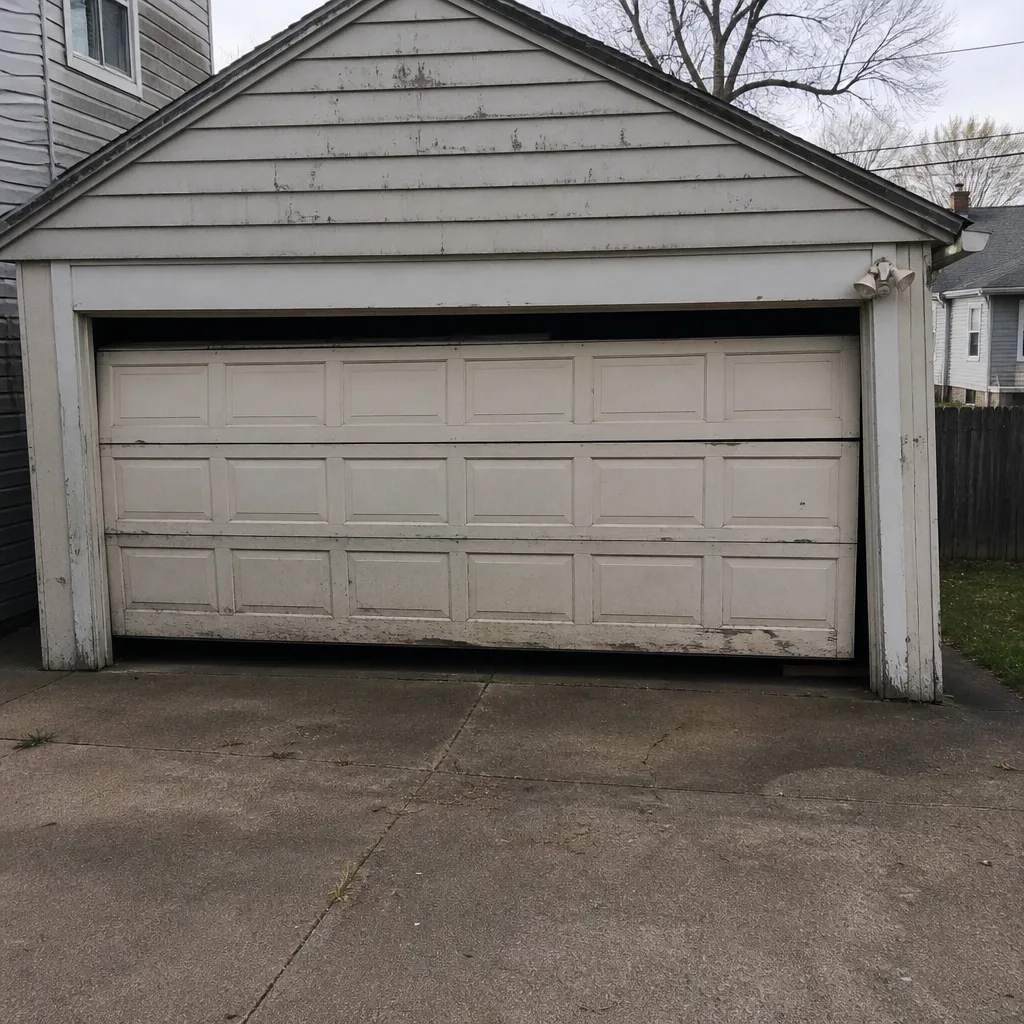 Before
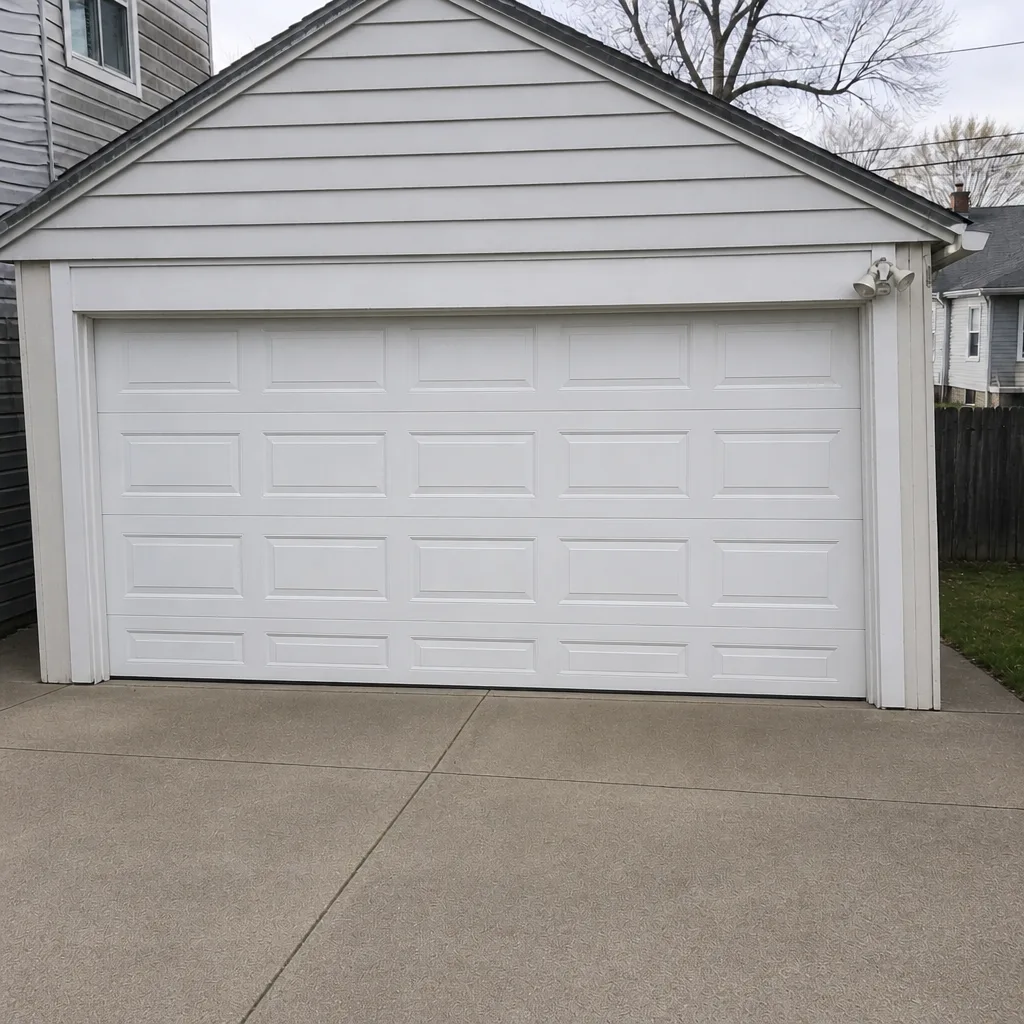 After
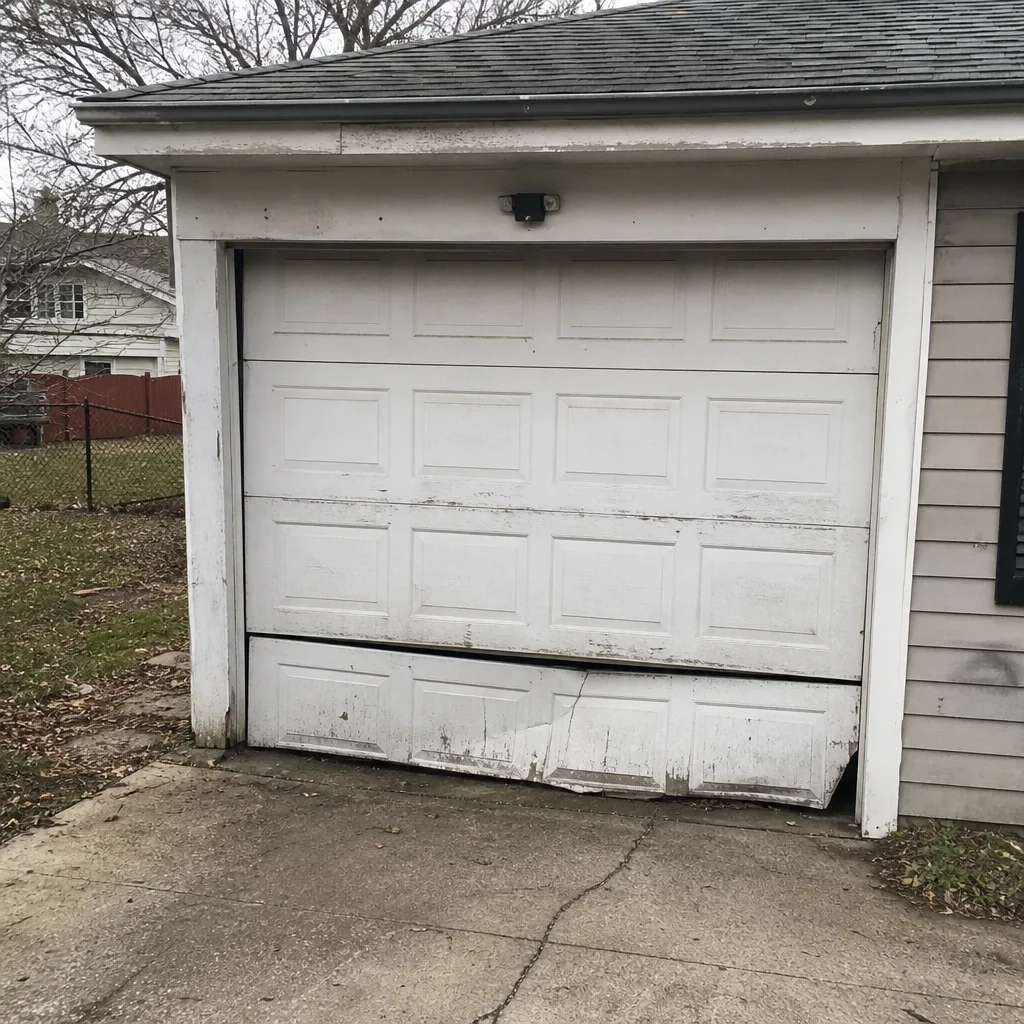 Before
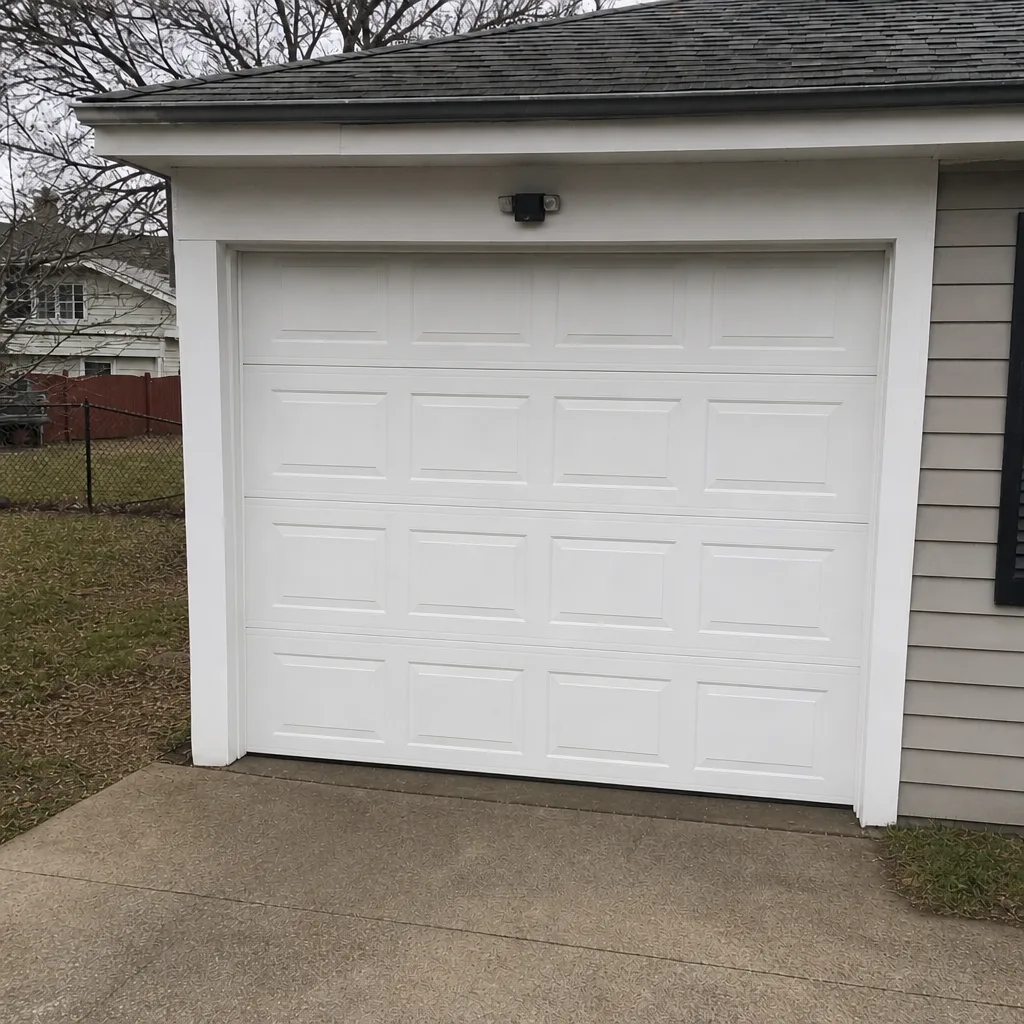 After
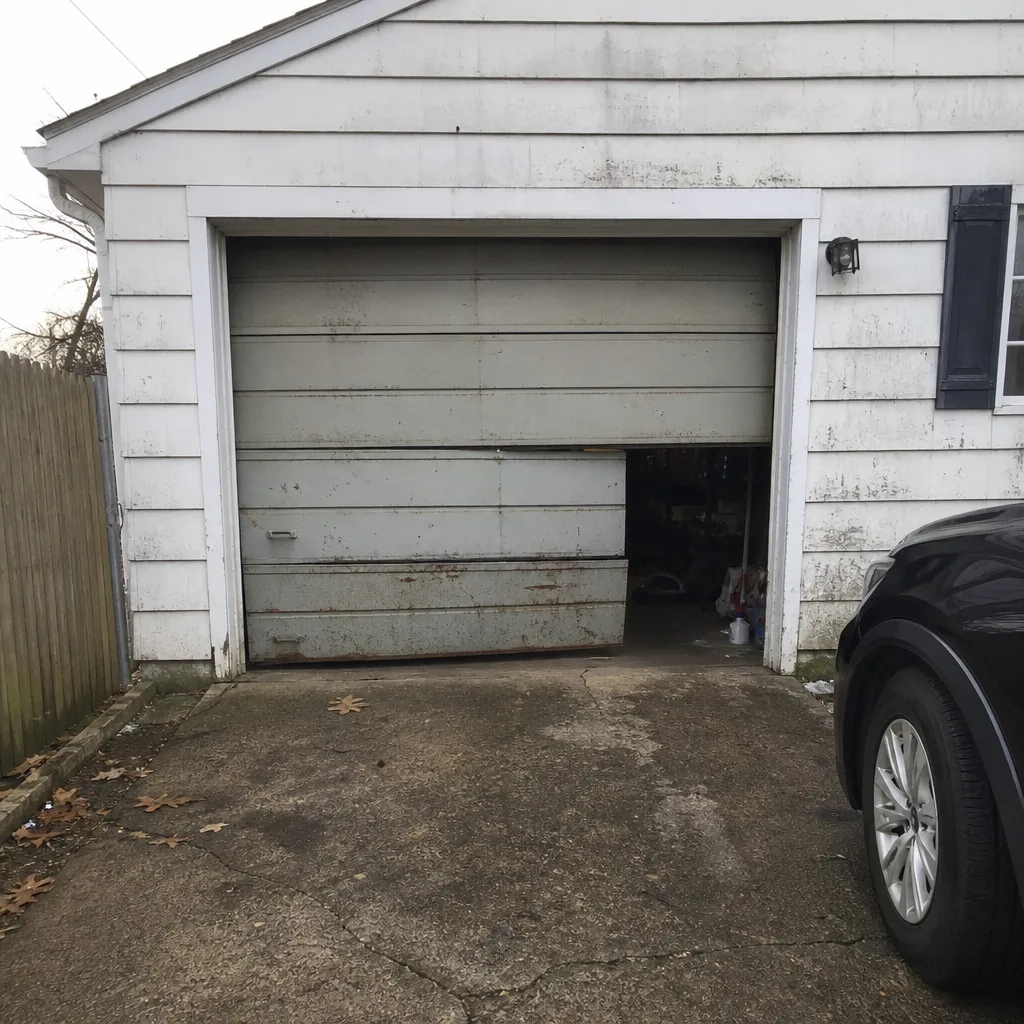 Before
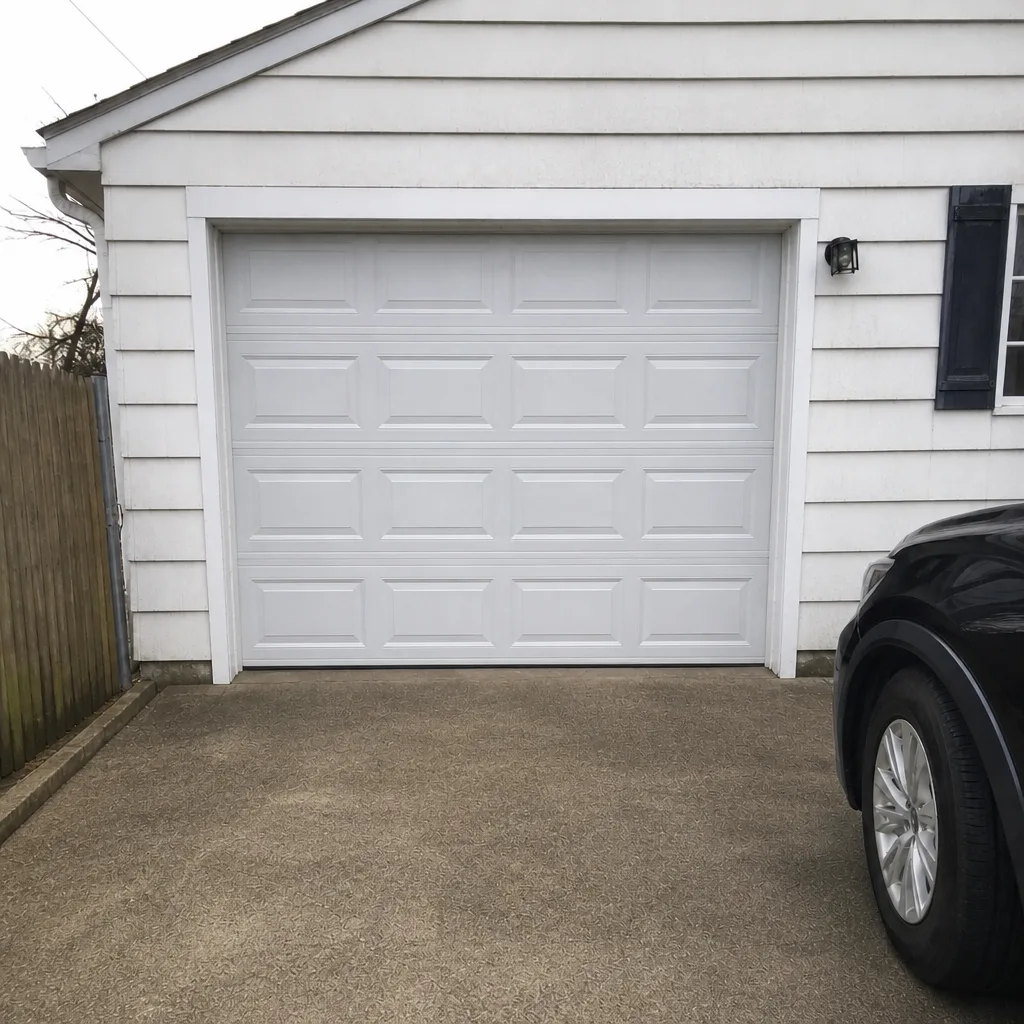 After
When to Call a Professional
Call a professional when the door won’t open, won’t close, or won’t budge. Call when you hear a snap from the garage and the door feels heavy. Call when the door goes up crooked or stops halfway. Call when the opener runs but the door doesn’t move. Call when you see rust through the finish on the tracks or the springs look uneven or broken. Call before you try to buy a door online for a non-standard opening. And call before you touch a spring yourself – that’s the one mistake that can hurt you badly.
Bridgeport Garage Door Repair Pros offers free estimates in Bridgeport – call (844) 647-0405. We answer 24/7. Fast dispatch from 7am to 7pm, Sunday through Friday. Emergency service is part of the lineup, so a door that failed overnight isn’t a “wait until Monday” problem. Our technicians have up to 11 years of experience and work with the brands you actually have – Chamberlain, Genie, Clopay, Amarr and the other major platforms.
Frequently Asked Questions
Most garage door repairs in Bridgeport run between about $120 and $450 depending on the job. Spring repair is typically $180-$340 for one spring, with a matched pair costing about twice. Opener repair or replacement typically lands between $150 and $450 depending on the model and whether it’s repaired or replaced. Track and hardware jobs are typically $120-$300. Call (844) 647-0405 for an exact quote – estimates are free.
In most cases, yes. Emergency garage door service is part of our lineup. We answer 24/7. Fast dispatch from 7am to 7pm, Sunday through Friday. A call outside dispatch hours is booked into the next opening. Call (844) 647-0405 and we’ll get you on the schedule.
Not without your say-so. The written estimate is agreed before any work starts. If the job turns out bigger than the estimate – a spring that takes longer, a track that needs more than adjustment – we’ll let you know before we continue. You’ll never get an invoice that was bigger than the quote without a conversation first. Call (844) 647-0405 for a free estimate.
The local pros we connect you with are licensed and insured as their state requires. Our technicians have up to 11 years of experience, and we handle all five service categories directly rather than subcontracting. Call (844) 647-0405 with any questions about the job.
First, stay clear of the door and don’t try to lift it by hand. A broken spring or a door that’s lost tension on the track can drop when you least expect it. Check that the opener is getting power, then call (844) 647-0405. We answer 24/7. Fast dispatch from 7am to 7pm, Sunday through Friday.
Often, yes – homes built before 1970 frequently have openings that don’t match modern standard sizes. The best first step is a proper measure of the opening, header and jamb clearance. Once we know the actual dimensions, we can tell you whether a standard door can be made to fit or whether a custom-size door is the right answer. Call (844) 647-0405 for a free measure and estimate.
The Bottom Line
Garage doors in Bridgeport wear differently from doors in other parts of the country, and the right decision for your door shouldn’t be based on generic advice. The four things that matter most: understand where your local conditions bite (springs and tracks), know whether your opening is actually standard before you buy anything, use a decision tree that says “repair” when the door’s healthy and “replace” when multiple systems are worn, and pick materials that hold up in humidity over a ten-year window. Keep the door and opener with one contractor so the whole system gets handled together. If you want the whole conversation in under ten minutes, call (844) 647-0405 for a free estimate. And before any of it, take a minute to read our garage door spring repair page – it’s where most Bridgeport doors actually need help. You can also learn more about the Bridgeport Garage Door Repair Pros and what we cover.
Written by the team at Bridgeport Garage Door Repair Pros.