
Last updated November 20, 2026
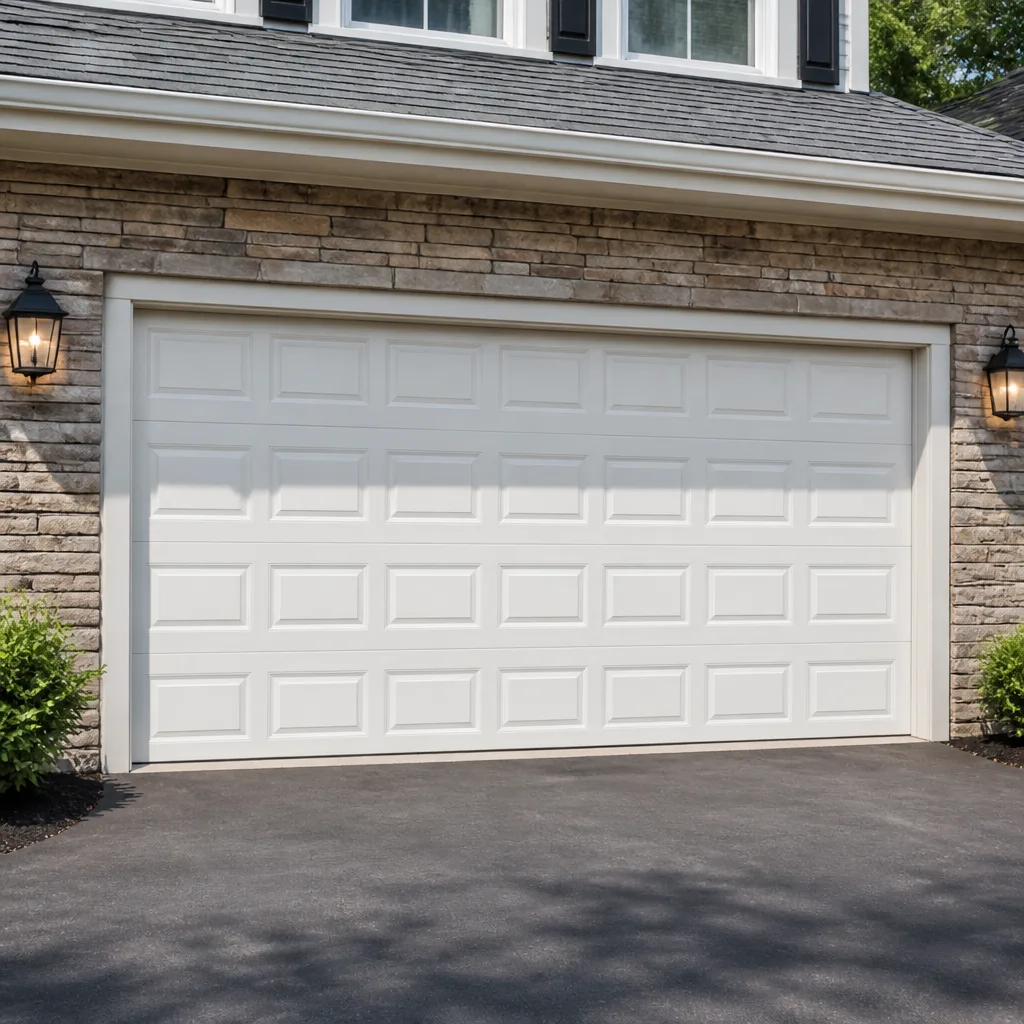 Raised-panel steel
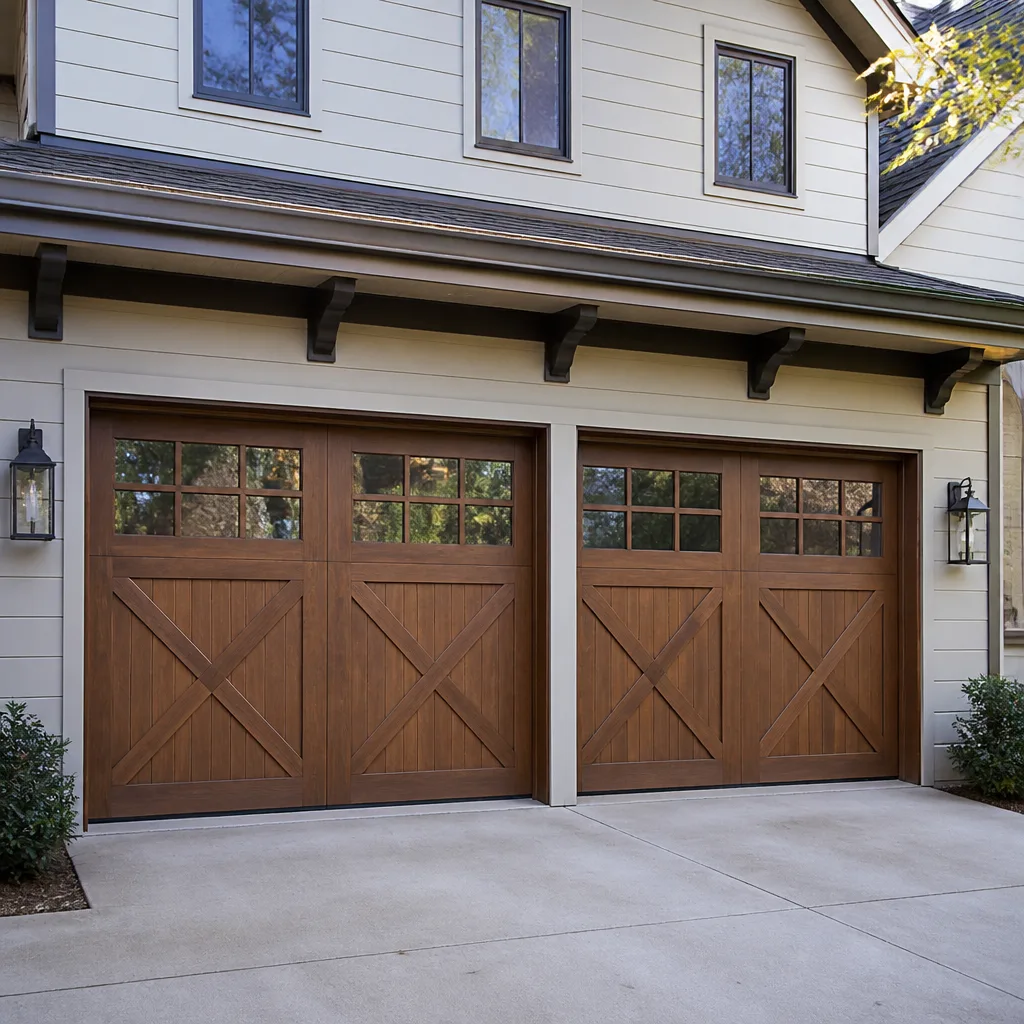 Carriage house
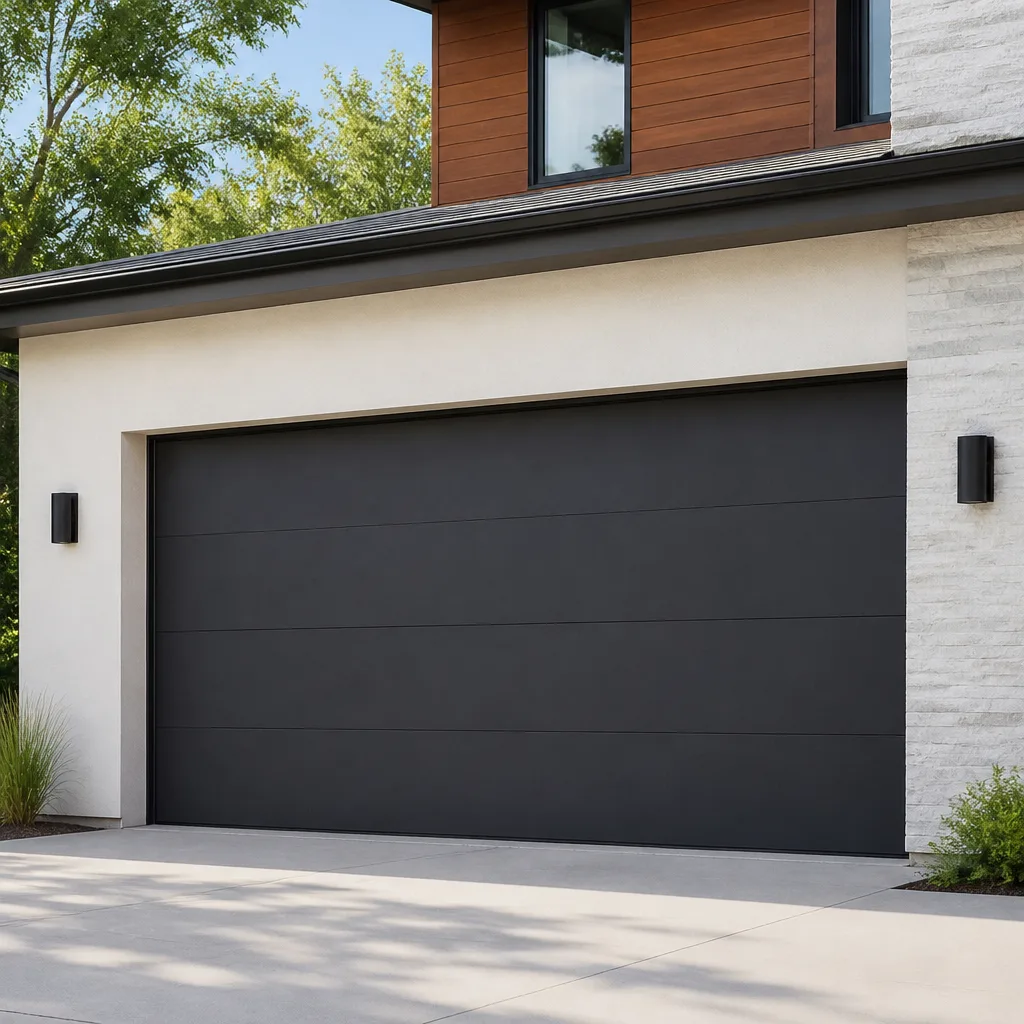 Modern flush
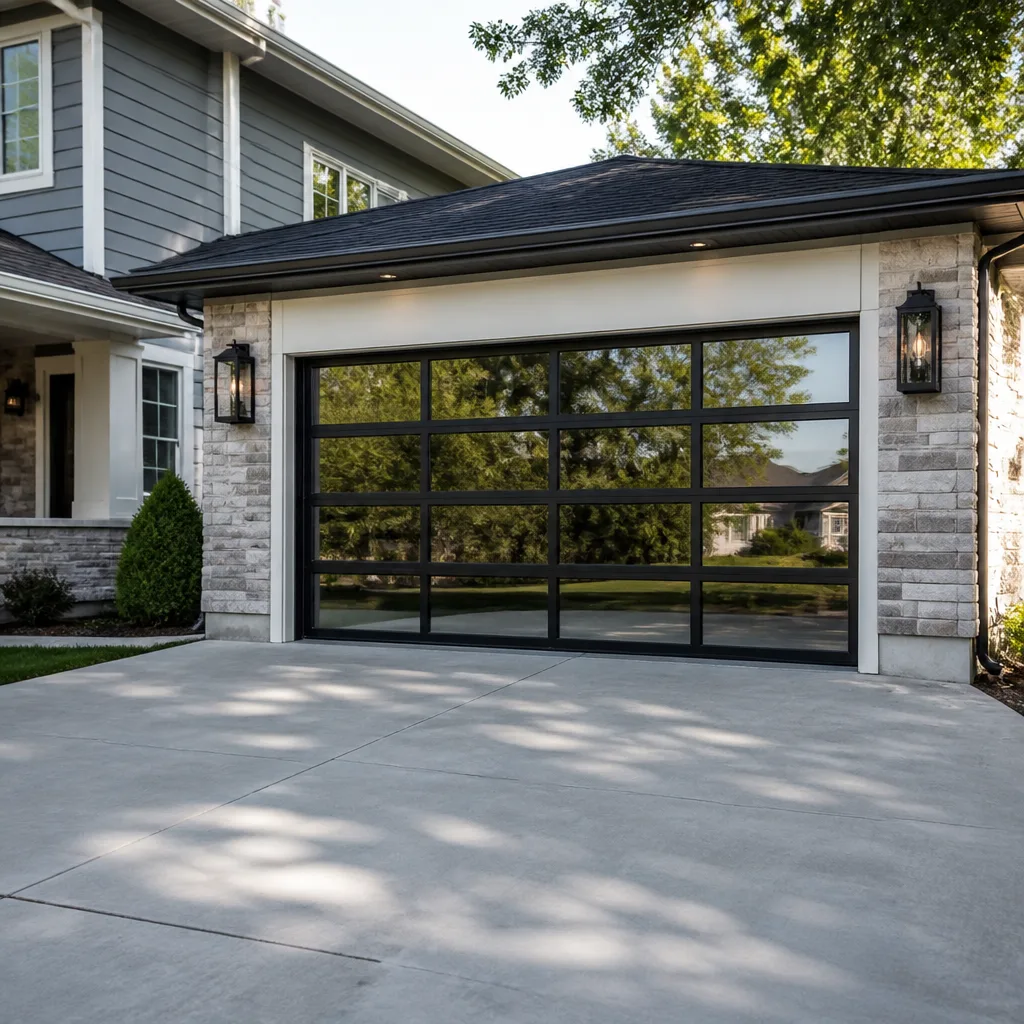 Full-view glass
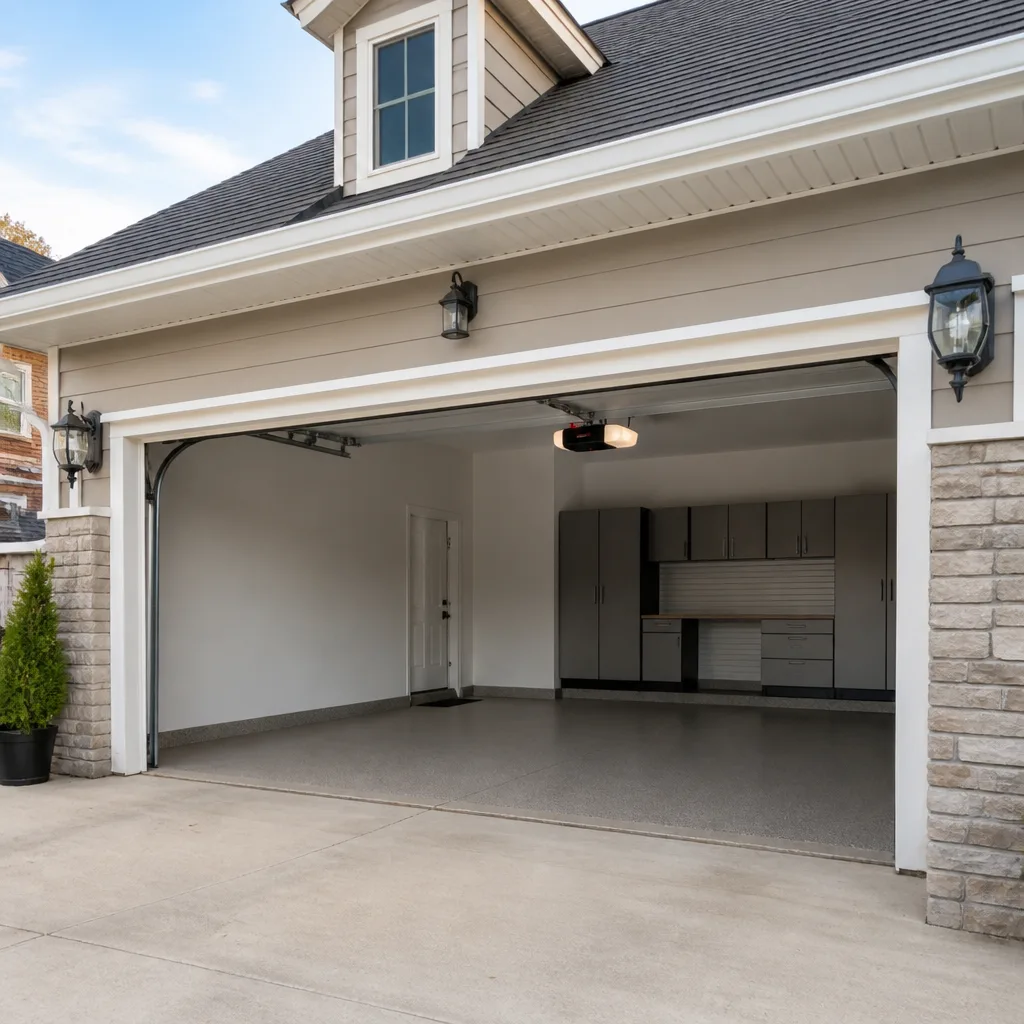 LiftMaster openers
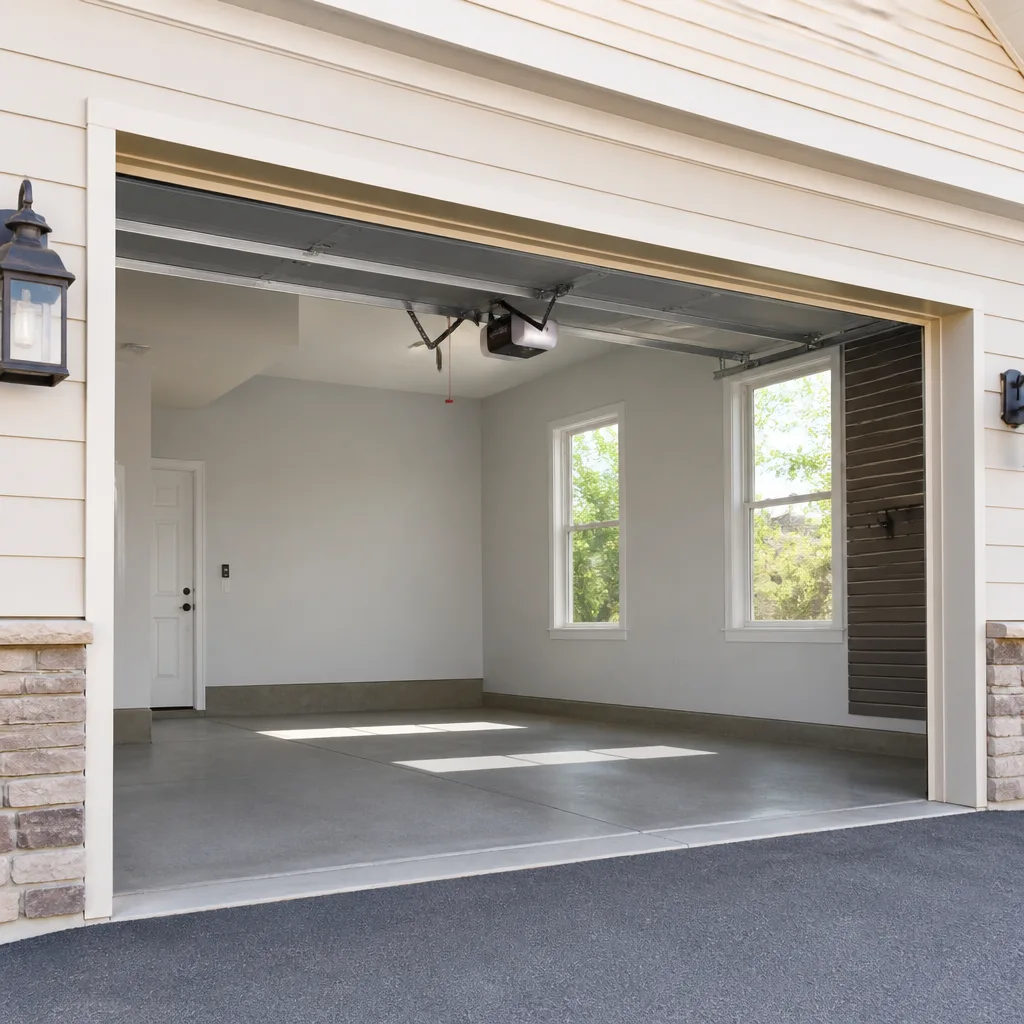 Chamberlain openers
Full 25-point door and opener safety check with every visit - springs, cables, rollers, tracks, and your LiftMaster or Chamberlain opener included
You get a price before we start. It does not change when the pro arrives.
Get your free estimateGarage Door Repair Maintenance Checklist for Bridgeport Homeowners
Most garage doors don’t fail without warning. They warn you for weeks, and almost nobody is listening. In our experience, the sentence that comes right before a full spring replacement is usually some version of “it was making a noise for a few weeks.” That noise was information. So was the slower lift, the little shimmy at the halfway point, the gap at the bottom that let in cold air all winter. The door was telling on itself, and a targeted checklist would have caught the failure before the door came down and the car got trapped inside.
This guide is that checklist. It’s built around the failure points we see again and again on Bridgeport service calls, organized by how often you should check them rather than by which part they belong to. By the end you’ll know what to look at monthly, what to look at seasonally, what to leave alone entirely, and where the line sits between a homeowner task and a job for a trained technician.
Quick Answer
A garage door maintenance checklist for Bridgeport homeowners should cover four things: monthly visual and balance checks (bottom seal gap, roller condition, door balance, safety reversal), seasonal lubrication and hardware tightening ahead of cold Connecticut winters, an annual inspection of springs, cables and opener settings, and a clear list of jobs to leave to a trained technician. Springs, cables and any tension adjustment are never DIY work. Everything else on this page is something a careful homeowner can do with a flashlight and a can of lubricant.
Styles & brands we work with
- Raised-panel steel
- Carriage house
- Modern flush
- Full-view glass
- LiftMaster openers
- Chamberlain openers
Table of Contents
- The Monthly Ten-Minute Check
- Tool-Free Tolerance Checks You Can Do Today
- The Five Failure Points Behind Most Bridgeport Emergency Calls
- The Seasonal Calendar for a Connecticut Garage Door
- What to Lubricate, What to Leave Dry, and What Holds Up in a Connecticut Winter
- The Annual Inspection: Springs, Cables and the Opener
- Owner-Serviceable Tasks vs. Jobs for a Licensed Technician
- Safety Reversal Testing and Why It Matters
The Monthly Ten-Minute Check
Once a month, walk out to the door with a flashlight and spend ten minutes looking at it the way a technician would. This isn’t about doing repairs. It’s about noticing change. A garage door is a system of springs, cables, rollers, tracks and an opener all working against gravity and each other, and small changes in one part show up as small changes in how the whole thing sounds and moves.
Do this check with the door closed and the opener disconnected or the power off, so nothing moves while your hands are near it. Then work through these steps:
- Look at the door from the street. Stand back and check that the panels sit level. A door that’s visibly crooked on one side points to a spring or cable problem, and that’s a stop-and-call moment.
- Check the bottom seal. Look for daylight under the door, cracks in the rubber, or a seal that’s pulling away from the bottom section. In Bridgeport this matters through every season, not just winter.
- Inspect the rollers. Look for flat spots, chips, or rollers that have worn through their bearings. Nylon rollers should look smooth and even. Steel rollers should turn freely in their brackets.
- Run a hand along each track. You’re feeling for dents, kinks, or anything stuck to the inside surface. Don’t force anything. If a track is bent, it needs straightening or replacing.
- Look at the hinges and brackets. Loose bolts are common and easy to spot. Look for gaps between the hinge and the door section, or hardware that’s rattled loose from its mounting holes.
- Check the opener rail and the wall control. Make sure the wall button isn’t sticking or damaged, and that the rail isn’t sagging in the middle.
Write down anything that looks different from last month. That record is more useful than any single observation, because it tells you whether something is wearing gradually or failing suddenly.
Tool-Free Tolerance Checks You Can Do Today
Some of the most useful checks need no tools at all, just your hands and your eyes. These are the checks that catch problems early, and they take maybe five minutes together. Do them with the door closed unless the step says otherwise.
The bottom gap check
Close the door and look at the gap between the bottom seal and the floor. If you can see daylight across the full width, or feel a steady draft, the seal needs adjusting or replacing. A seal that only makes contact on one side usually means the door is out of level, which points back to spring or cable tension. Don’t try to fix that with the seal itself.
The balance test
This is the single most useful check on the whole list. With the door closed, pull the emergency release cord so the opener is disconnected. Lift the door by hand to about halfway and let go. A balanced door should stay put, or drift very slowly. If it slams down or shoots up, the spring tension is wrong, and that’s a technician call. If it’s noticeably heavy to lift, the springs are losing strength.
The reversal sensitivity check
Put a roll of paper towels or a scrap of two-by-four on the floor in the door’s path and close the door using the wall control. The door should reverse on contact with the object. If it keeps going, or reverses only after pressing hard, the opener’s travel limits or force settings need adjusting. This is one of the most important safety checks you can do, and also one of the most commonly skipped.
The manual release check
Test that the emergency release cord pulls cleanly and re-engages the opener properly. A release that’s stiff or stuck is a problem you want to find during a calm afternoon, not during a power outage with the car inside.
The Five Failure Points Behind Most Bridgeport Emergency Calls
When a door fails in Bridgeport, it’s rarely a mystery. The same five things come up over and over. Knowing them ahead of time is the easiest way to avoid an emergency call entirely.
1. Spring fatigue
Torsion and extension springs are under enormous tension and take the full weight of the door thousands of times a year. They don’t fail slowly once they’ve fatigued; they snap. The early warning signs are a door that’s heavier to lift, a little slower to open, or a single loud pop followed by the opener running but the door not moving. Any of those signs means stop using the door. Springs are dangerous, and this is not a DIY repair.
2. Cable fraying and snapping
Cables run along the sides of the door and connect to the springs. A cable that’s starting to fray will often look kinked or have a “birdcage” twist near one of the drums. A snapped cable can whip with serious force, so if you see fraying, keep the door closed and call for help. Don’t test it to see if it holds.
3. Roller and hinge wear
Worn rollers make a door rattle, grind or jump in the tracks. It’s a gradual problem that gets expensive if it goes on long, because a bad roller will chew up the track and the hinge at the same time. Replacing rollers is a normal maintenance item. Replacing a bent track is a bigger job.
4. Opener force and limit settings drifting
Openers from LiftMaster, Chamberlain, Genie and Craftsman all use force and travel-limit settings that can drift over time. When they do, the door stops fully opening or closing, or reverses when it shouldn’t. The problem is often a setting rather than a dead motor, which is why garage door opener repair starts with a proper diagnosis rather than a replacement quote.
5. Track misalignment
Tracks get bumped, hit by car mirrors, or knocked out of alignment by a door that’s been uneven for a while. A misaligned track shows up as a door that scrapes, sticks at one point, or grinds going up on one side but not the other. A bent track can often be straightened if it’s caught early. Once the door has been running against it for a while, the damage spreads.
The Seasonal Calendar for a Connecticut Garage Door
A garage door in Bridgeport lives through four genuinely different seasons, and each one puts different stress on the system. The maintenance calendar below is built around the ones that matter most here: the freeze-thaw swings of late fall and early spring, the summer humidity, and the summer storms that bring wind and debris.
Fall (before the first freeze)
- Lubricate hinges, rollers, springs and the opener rail before the cold sets in.
- Check the bottom seal and adjust or replace it before snow and slush have a chance to get under the door.
- Tighten every bolt and bracket you can reach, because metal contracts in cold weather and loose hardware gets loose fast.
- Clear gutters, debris and anything else near the door tracks that could freeze in place.
Winter
- Keep the tracks clear of packed snow and ice, but never chip at ice with a metal tool or pour hot water on the tracks.
- Watch for a door that gets stiffer as the temperature drops. That’s a sign of weak springs or the wrong lubricant, not just “winter.”
- Check the bottom seal again after the first hard freeze, since cold makes old rubber brittle and prone to cracking.
Spring (thaw season)
- Look for rust and water damage around the tracks and hinges as the ground thaws.
- Re-check the balance on the door, since freeze-thaw cycles can shift the alignment of the tracks and the tension of the springs.
- Test the reversal sensitivity again after any power interruption during the storm season.
Summer
- Clean the tracks of grit and debris after windy days.
- Check the opener’s force setting, since humidity can make the door a little heavier to move and the opener a little slower to respond.
- Look at the rollers for cracks, since summer heat can soften old rollers over time.
What to Lubricate, What to Leave Dry, and What Holds Up in a Connecticut Winter
This is the maintenance task homeowners most often get wrong, and the mistakes are consistent. Some people lubricate nothing. Some people spray WD-40 on everything once a year and call it done. Both approaches leave the door with more wear than it needs.
What to lubricate
- Hinges: a light coat of white lithium grease or silicone-based lubricant at each pivot point.
- Rollers: a small amount on the bearing, not on the roller surface itself. Too much attracts grit.
- Springs: a light coat of white lithium grease to slow corrosion, especially on extension springs.
- Opener rail and chain: the manufacturer’s recommended lubricant for the specific model. This is where brand knowledge matters. A LiftMaster rail and a Genie rail don’t always want the same product.
- Lock and handle (if you have a manual lock): a dry graphite lubricant, which won’t attract dust and won’t freeze.
What to leave dry
- The tracks. This is the big one. Lubricant on the tracks collects grit and turns into a sticky paste that wears the rollers and slows the door down. Clean tracks, dry tracks.
- The photo-eye lenses. Clean with a dry cloth, not a lubricant or a wet wipe that leaves residue.
- The opener’s control board or any electronic component. No lubricant anywhere near the electronics.
What holds up in a cold Connecticut winter
Standard WD-40 is a water displacer, not a long-term lubricant, and it tends to wash away quickly in cold weather. Silicone-based lubricants and white lithium grease both hold up better through freeze-thaw cycles. For the rollers and hinges, a silicone spray is usually the safest choice because it won’t attract grit. For the springs and the opener rail, a lithium grease or the manufacturer’s recommended product is the better call. If you’re not sure what an older door or opener wants, a quick call is worth more than guessing.
The Annual Inspection: Springs, Cables and the Opener
Once a year, the door needs a proper inspection by someone who knows what they’re looking at. This is the check that catches the things that aren’t visible from the outside: the actual condition of the torsion springs, the state of the cables near the drums, and the internal wear in the opener. If you’re going to book one inspection a year, book it in the fall, before the cold weather starts stressing the springs.
Here’s what a proper inspection covers:
- Torsion spring measurement. A technician measures the spring’s wind count and checks for cracks, rust or signs of fatigue at the coils. A spring that’s lost tension shows up here before it snaps.
- Cable inspection at both drums. Look for fraying, kinks and correct seating in the drum groove. Cables that aren’t seated properly can jump the drum and lock the door.
- Track alignment and plumb. The tracks should be parallel, plumb and clear of dents. A technician has the tools to check the alignment precisely, which a homeowner can’t do by eye.
- Roller and hinge assessment. All rollers, hinges and brackets get checked for wear and replaced as needed.
- Opener force and limit settings. The opener’s force, travel limits and safety reversal are re-tested and adjusted. This is also when opener batteries in the remotes and keypad get replaced.
- Panel and section condition. Panels from Clopay, Amarr and other brands all age differently, and a technician can tell whether a dent, crack or rust spot is cosmetic or structural.
If the door is due for a full tune-up and you haven’t had one done, the simplest path is to have a technician out once for a proper look. For doors that are already showing signs of trouble, a garage door repair visit will catch both the obvious problem and the ones waiting behind it.
Owner-Serviceable Tasks vs. Jobs for a Licensed Technician
Garage door maintenance has a clear dividing line, and it’s drawn around tension. Anything that involves adjusting, releasing or replacing a spring or a cable is technician work. Everything else is usually within reach of a careful homeowner with the right tools.
Owner-serviceable tasks
- Lubricating hinges, rollers, springs and the opener rail.
- Cleaning the tracks with a dry cloth or a mild cleaner, then letting them dry fully.
- Tightening bolts and brackets, as long as you’re not adjusting track position.
- Replacing batteries in the opener remotes and keypad.
- Testing the safety reversal and the manual release.
- Replacing the bottom seal, if the door is level and the seal is the only issue.
- Cleaning the photo-eye lenses and checking that the eyes are aligned.
Jobs for a trained technician
- Spring replacement or adjustment. Springs are dangerous, and this is not a DIY repair. A torsion spring can cause serious injury if it’s released incorrectly.
- Cable replacement, adjustment or re-seating. A cable under tension can whip with enough force to cause real damage.
- Track straightening or replacement. Tracks need to be aligned precisely, and it’s easy to make things worse without the right tools.
- Opener repair, force adjustment, or replacement. The electronics and the door’s mechanics need to be matched, and that’s a job for someone who knows the brand.
- Panel replacement or door replacement. A garage door spring repair visit is also a good time to have a technician look at the panels, since a failing spring and a damaged panel often turn up together.
Safety Reversal Testing and Why It Matters
Every automatic garage door sold in the last few decades has a safety reversal system, and it’s the single most important safety feature on the whole door. The system works through two things: the photo-eye sensors near the floor that stop the door if something crosses the beam, and the opener’s internal force setting that reverses the door if it hits something. Both need to be tested regularly, and both can fail quietly.
Test the photo eyes by closing the door and passing a hand or a broom handle through the beam. The door should stop and reverse immediately. Test the force reversal by placing a scrap of two-by-four on the floor in the door’s path and closing the door; it should reverse on contact. If either test fails, the opener needs adjustment, and the door shouldn’t be run automatically until it’s fixed.
It’s also worth remembering that the two failure points above are the ones most often missed in a homeowner checklist. A door that closes on a car, a pet or a child is a real risk, and the fix is usually a simple setting adjustment that a technician can make in one visit. If the reversal test fails and you’re not sure why, a call is the safest next step.
Since Bridgeport weather can leave photo-eye lenses dirty or misaligned after a storm, clean and re-test them as part of the monthly check. It’s a two-minute task that matters more than almost anything else on this list.
Common Mistakes to Avoid
- Using WD-40 as a long-term lubricant on the tracks or springs. It displaces water but doesn’t hold up as a proper lubricant, and it can actually attract grit. Use a silicone-based product or white lithium grease instead.
- Trying to adjust or replace a spring without training. Springs are under enormous tension and can cause serious injury. When a spring is the problem, it’s a job for a technician, not a weekend project.
- Ignoring a slow or noisy door “because it still works.” A door that’s getting slower, louder or harder to lift is telling you something is wearing. Catching it early is cheaper and safer than waiting for the failure.
- Forgetting the safety reversal test. It’s the most commonly skipped check on any list, and it’s the one that protects the people and pets in the driveway. Test it monthly.
- Using the wrong lubricant on the opener rail or chain. Different openers from LiftMaster, Chamberlain, Genie and Craftsman want different products, and the wrong one can cause more wear than no lubricant at all.
- Assuming a stuck door is an opener problem. A door that won’t open is often a spring, cable or track problem, not a dead motor. Diagnosing it properly saves you from replacing an opener that was fine.
- Letting a small track dent go. A minor dent becomes a major alignment problem once the door has run against it for a while. Straighten or replace the track early.
See the difference
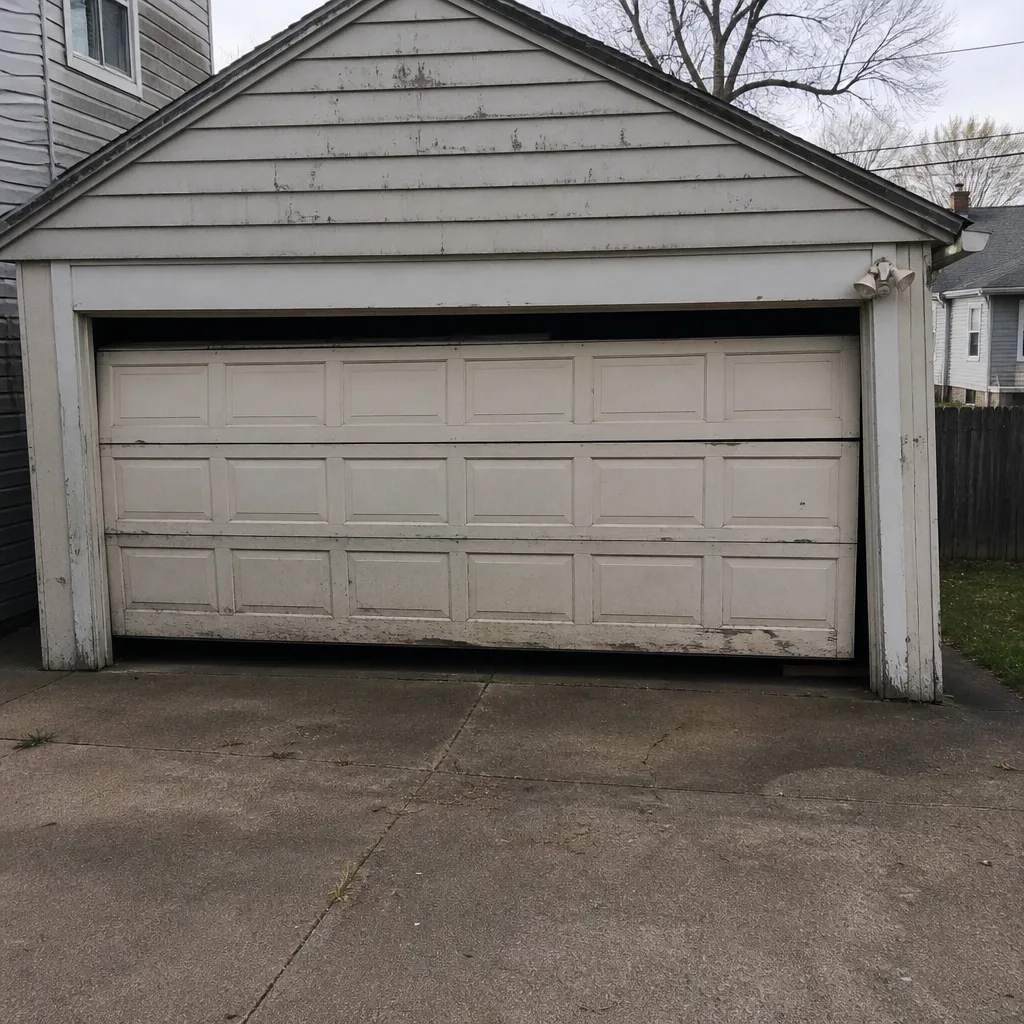 Before
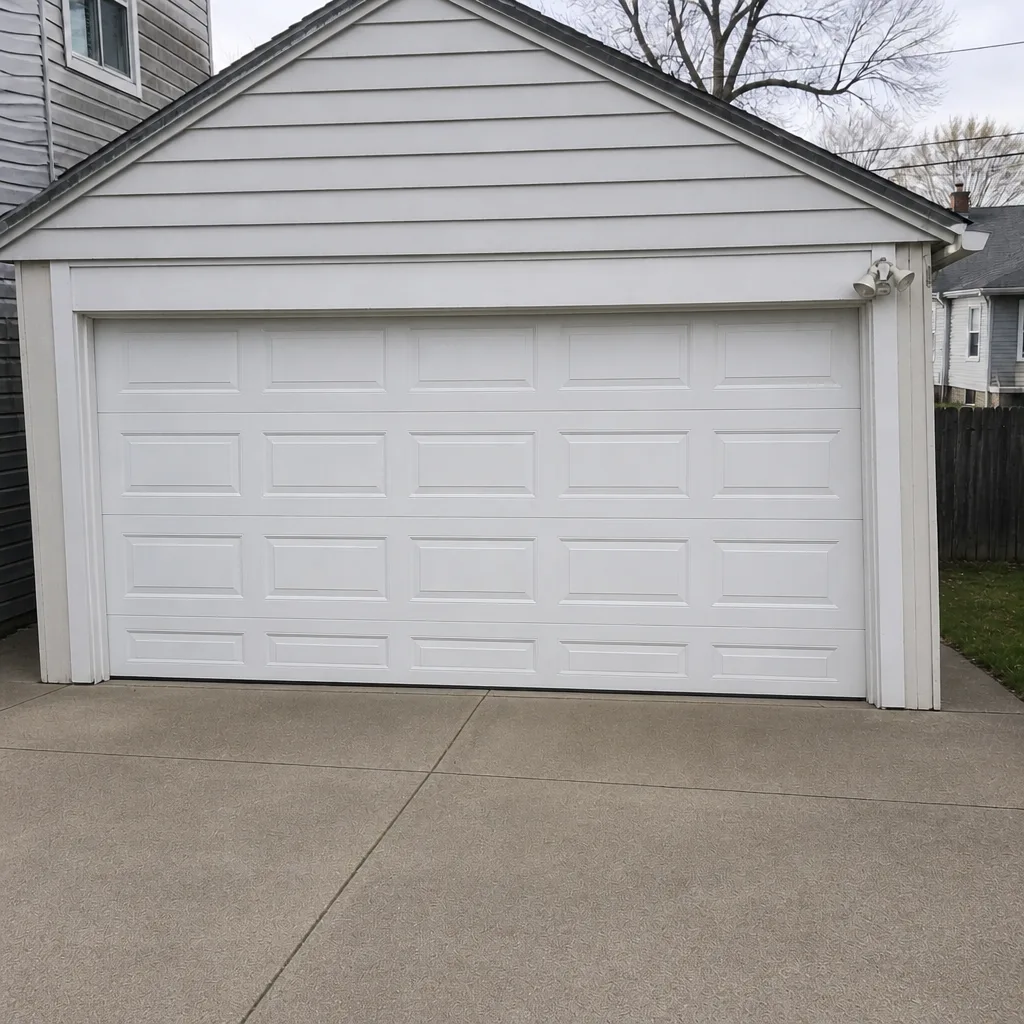 After
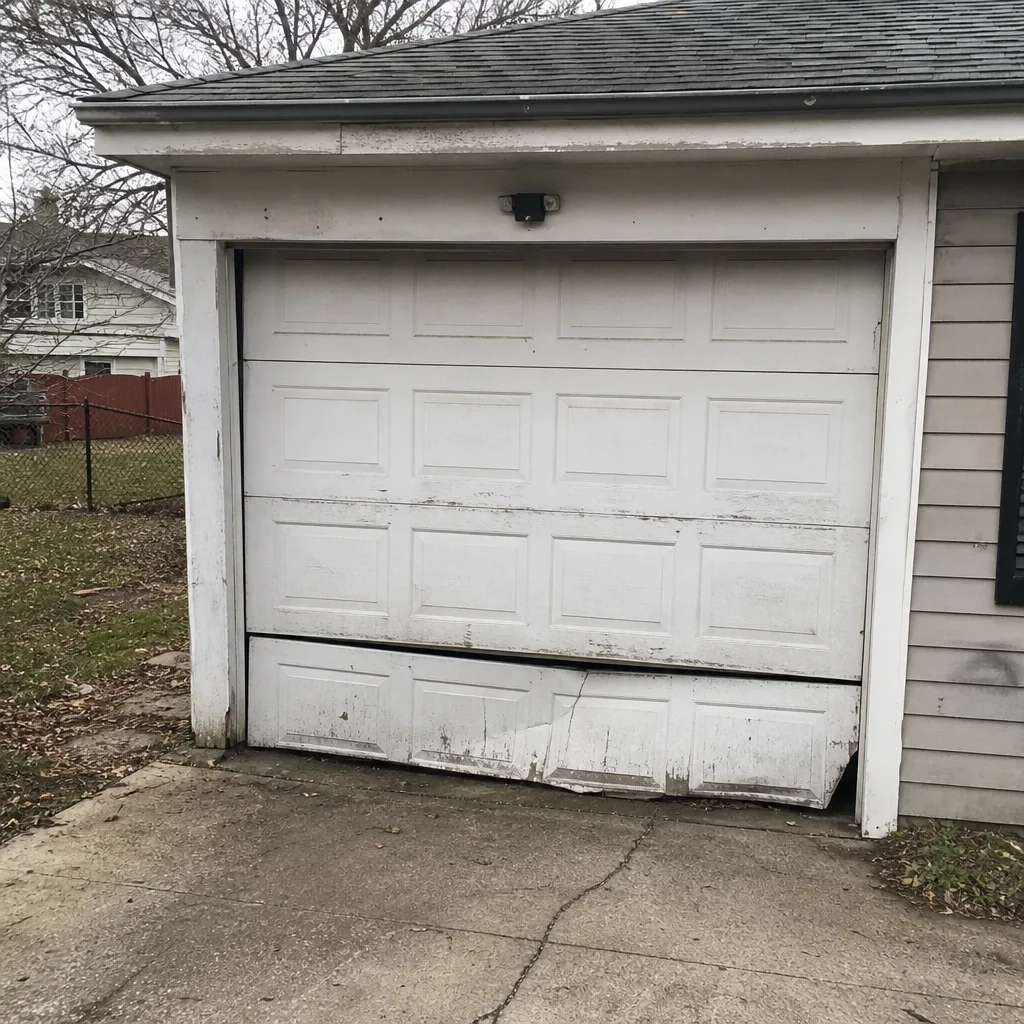 Before
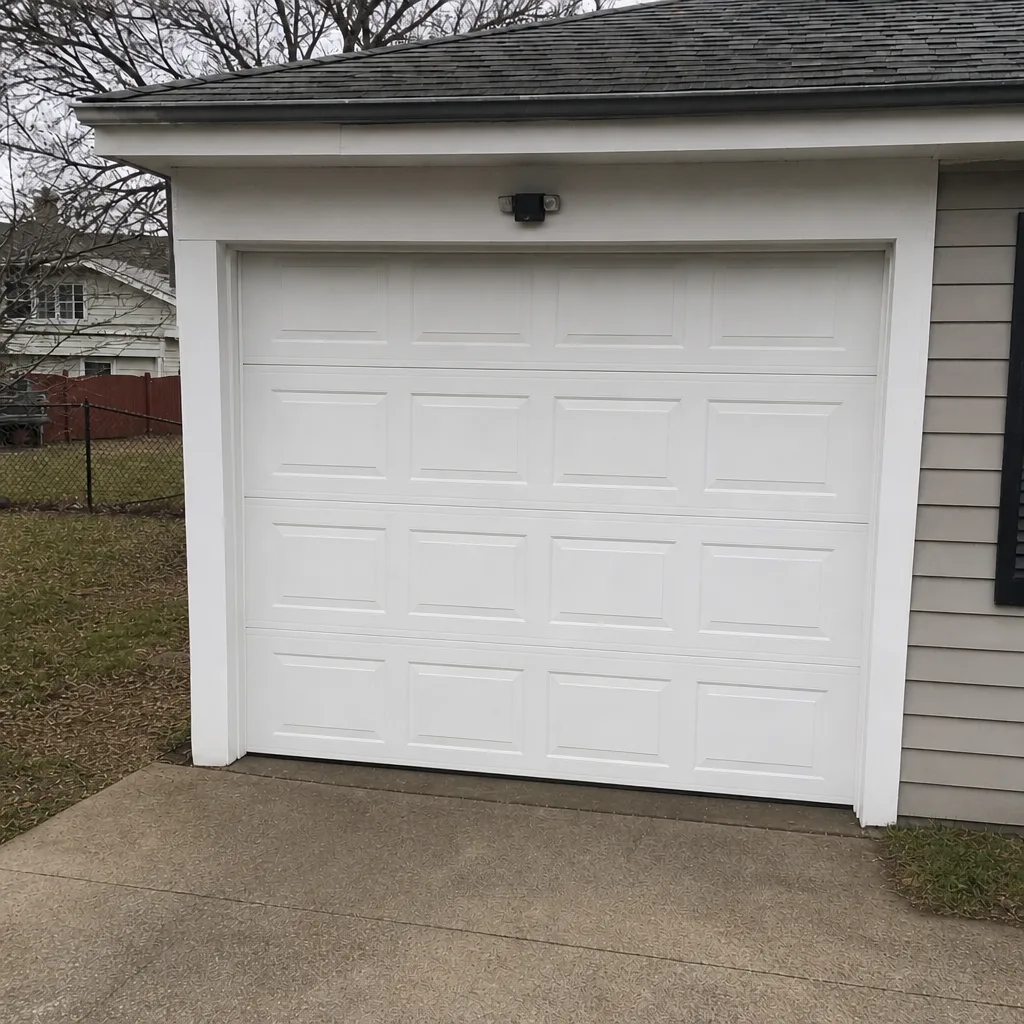 After
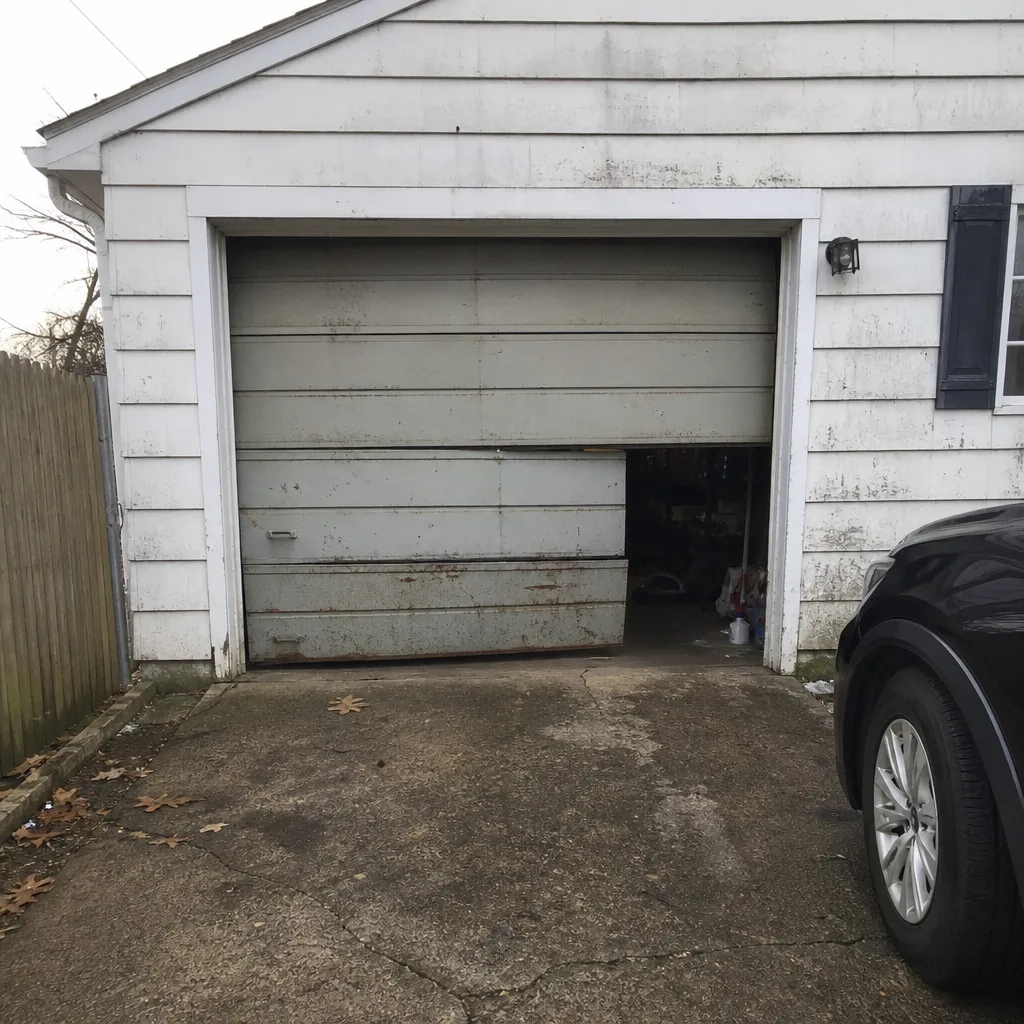 Before
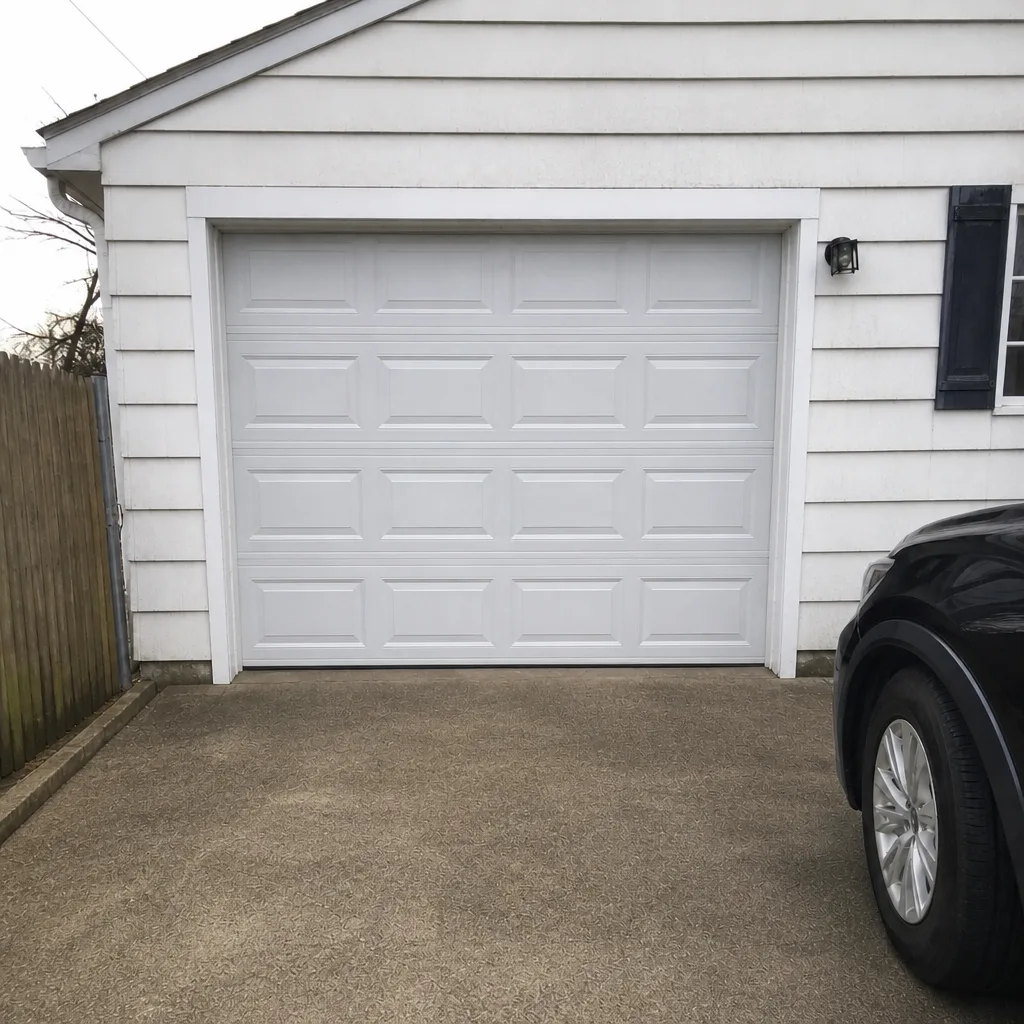 After
When to Call a Professional
Some problems are safe to handle yourself with a checklist and a can of lubricant. Others need a trained technician, and trying to push through them can turn a small repair into a much bigger one. Call a professional if any of these apply: the door is visibly crooked, one side is higher than the other, the door won’t lift by hand, a spring has snapped or is sagging, a cable is frayed or loose, the safety reversal test fails, or the door has come off its tracks entirely. Spring and cable work is always a technician call, no matter how small the adjustment looks.
Bridgeport Garage Door Repair Pros offers free estimates in Bridgeport. Call (844) 647-0405. We answer 24/7. Fast dispatch from 7am to 7pm, Sunday through Friday.
Frequently Asked Questions
A Bridgeport garage door should get a homeowner check monthly and a professional inspection once a year, ideally in the fall before the cold weather starts stressing the springs. Monthly checks catch the small problems early, and the annual inspection handles the parts a homeowner can’t safely assess. If the door is older or has been showing signs of wear, have it inspected sooner. Call (844) 647-0405 for an exact quote – estimates are free.
The most common mistake is lubricating the tracks. Tracks should stay clean and dry, because lubricant collects grit and turns into a paste that wears the rollers and slows the door down. The second most common is skipping the safety reversal test, which is the check that matters most for safety. Both are easy to fix once you know to look for them. Call (844) 647-0405 if you’re not sure what’s causing a problem.
No. Garage door springs are under very high tension and can cause serious injury if they’re released incorrectly. Spring replacement and adjustment should always be done by a trained technician. If a spring has snapped, stop using the door and call for help. Call (844) 647-0405 for a free estimate on spring repair.
Disconnect the opener with the emergency release, lift the door by hand to about halfway, and let go. A balanced door should stay put or drift very slowly. If it slams down, shoots up, or feels very heavy to lift, the door is out of balance and needs a technician. Don’t keep running it automatically in that condition. Call (844) 647-0405 to have it checked.
Use a silicone-based spray on hinges and rollers, and white lithium grease on the springs and the opener rail. Standard WD-40 isn’t a long-term lubricant and doesn’t hold up well through freeze-thaw cycles. Whatever you use, keep the tracks dry. If you’re not sure what your specific opener needs, a quick call can save you from using the wrong product. Call (844) 647-0405 for an exact quote – estimates are free.
Yes. A door that won’t close is a same-day priority, and Bridgeport Garage Door Repair Pros can take the call and get the door diagnosed in one visit. Call (844) 647-0405 for a free estimate. We answer 24/7. Fast dispatch from 7am to 7pm, Sunday through Friday.
The Bottom Line
A garage door doesn’t fail from one big event. It fails from weeks of small signals nobody acted on. The monthly ten-minute check catches the changes, the seasonal calendar keeps the door ready for a Connecticut winter, and the annual inspection handles the springs, cables and opener settings a homeowner shouldn’t touch. The balance test, the reversal test and the bottom-seal check are the three most useful things you can do yourself, and they take less time than brewing a pot of coffee. Springs and cables are always a technician call. Do the checklist, catch the warning signs early, and the emergency call becomes a scheduled repair instead. Keep this guide handy and you’ll spot trouble before it turns into a locked-in car and a downed door.
If something on the checklist doesn’t look right, our technicians have up to 11 years of experience working with LiftMaster, Chamberlain, Genie, Clopay, Amarr and other major brands. For a proper diagnosis or a spring check you’d rather not handle alone, see our Bridgeport Garage Door Repair Pros service page, or call (844) 647-0405 for a free estimate. The estimate is free, the price is set per job in writing before any work starts, and we’ll tell you exactly what the door needs and why.
Written by the team at Bridgeport Garage Door Repair Pros.