
Last updated November 20, 2026
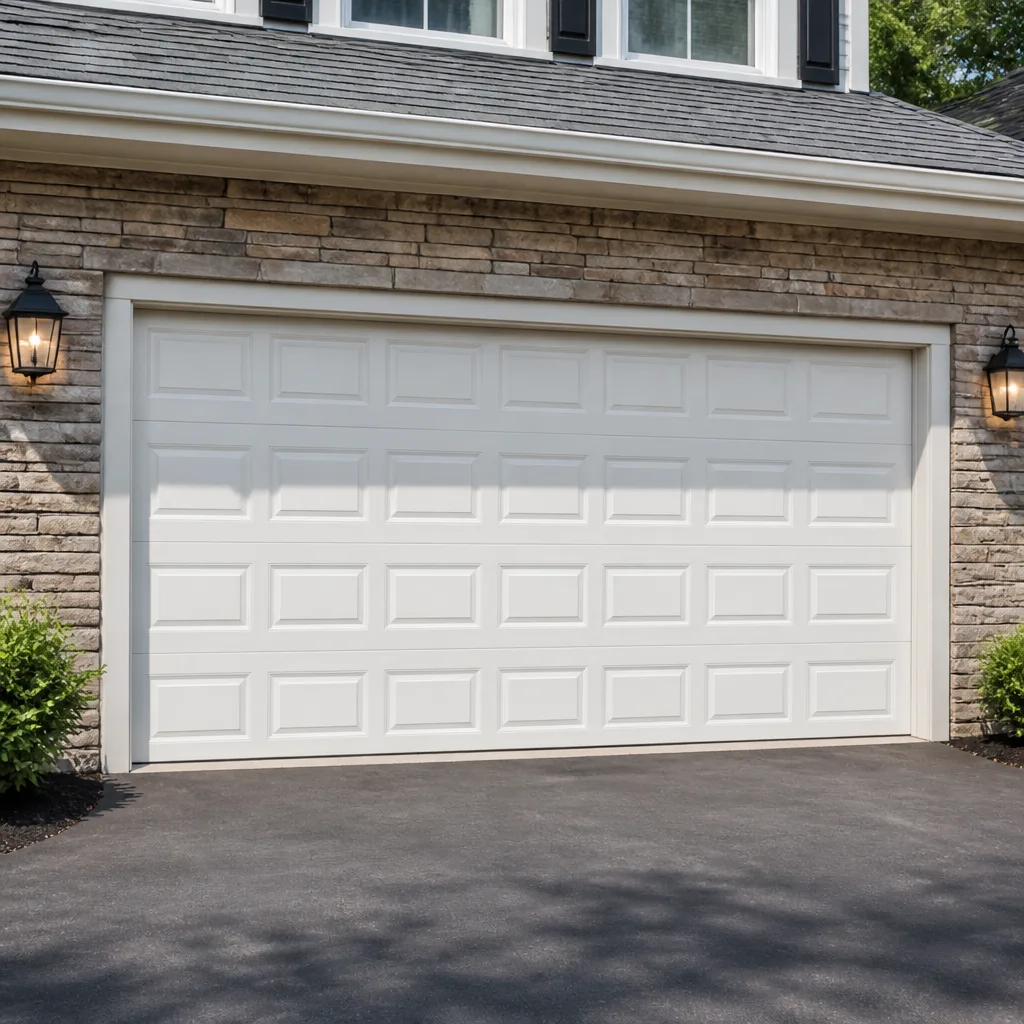 Raised-panel steel
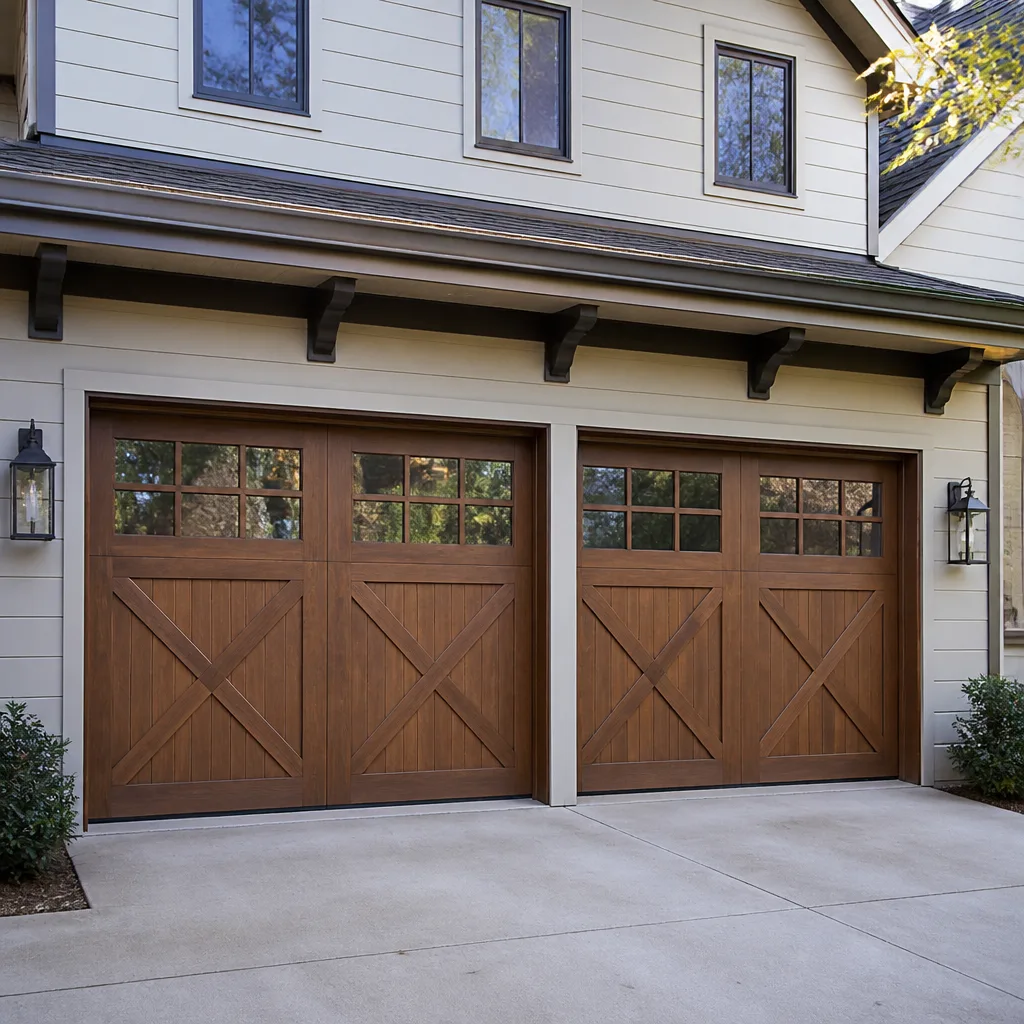 Carriage house
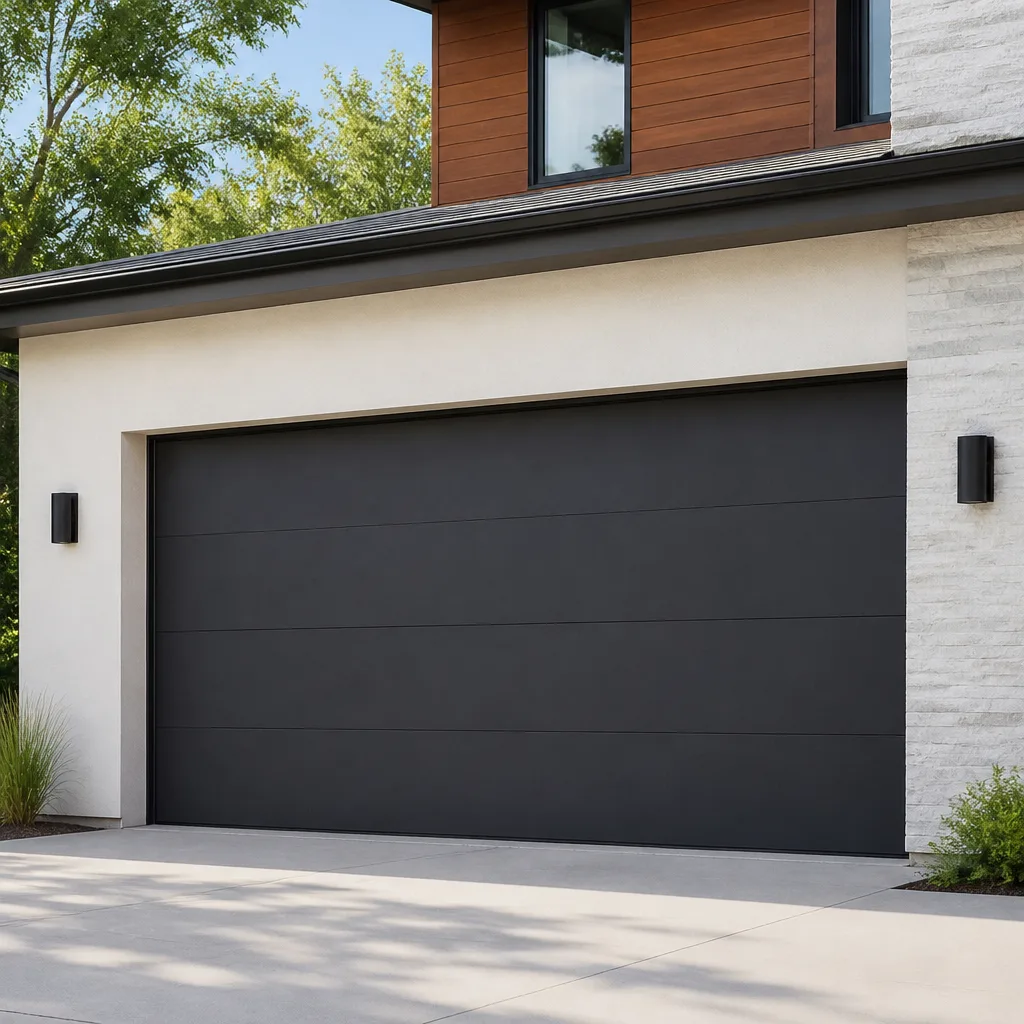 Modern flush
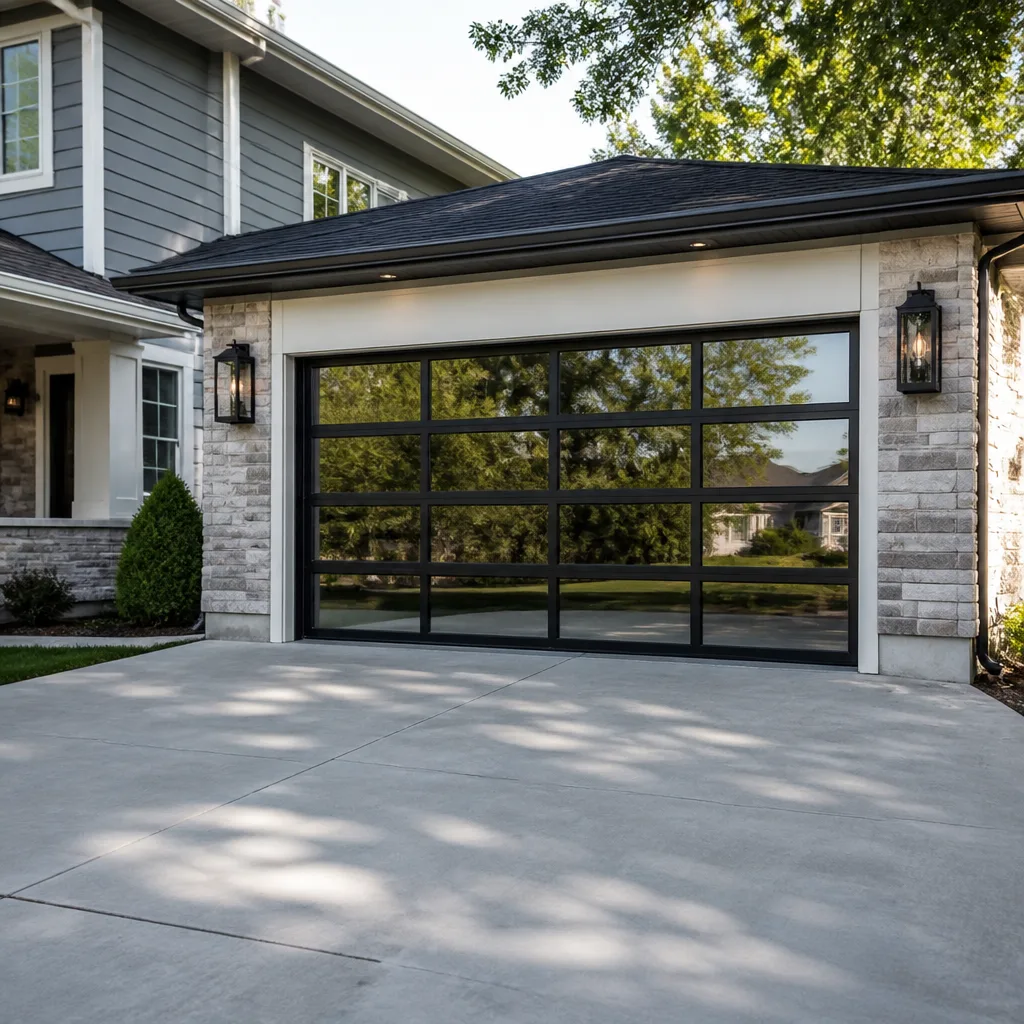 Full-view glass
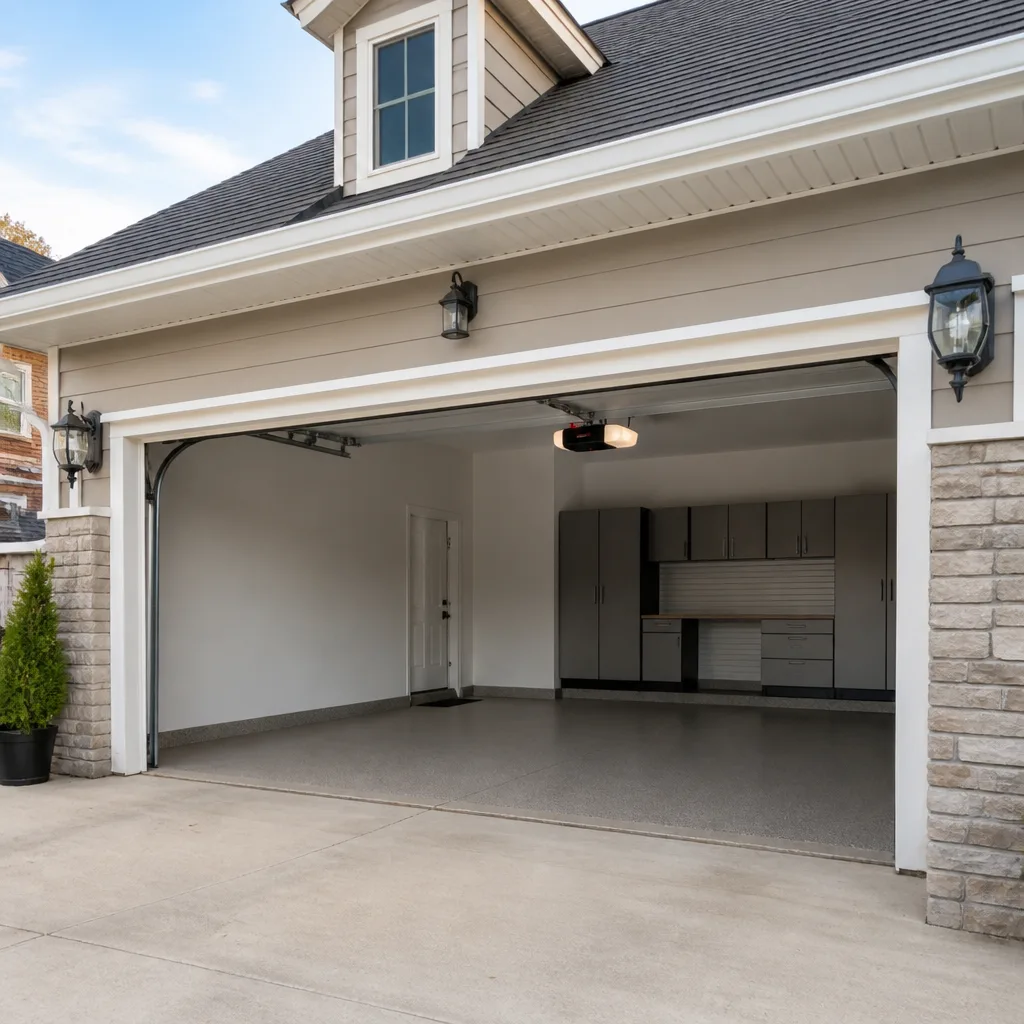 LiftMaster openers
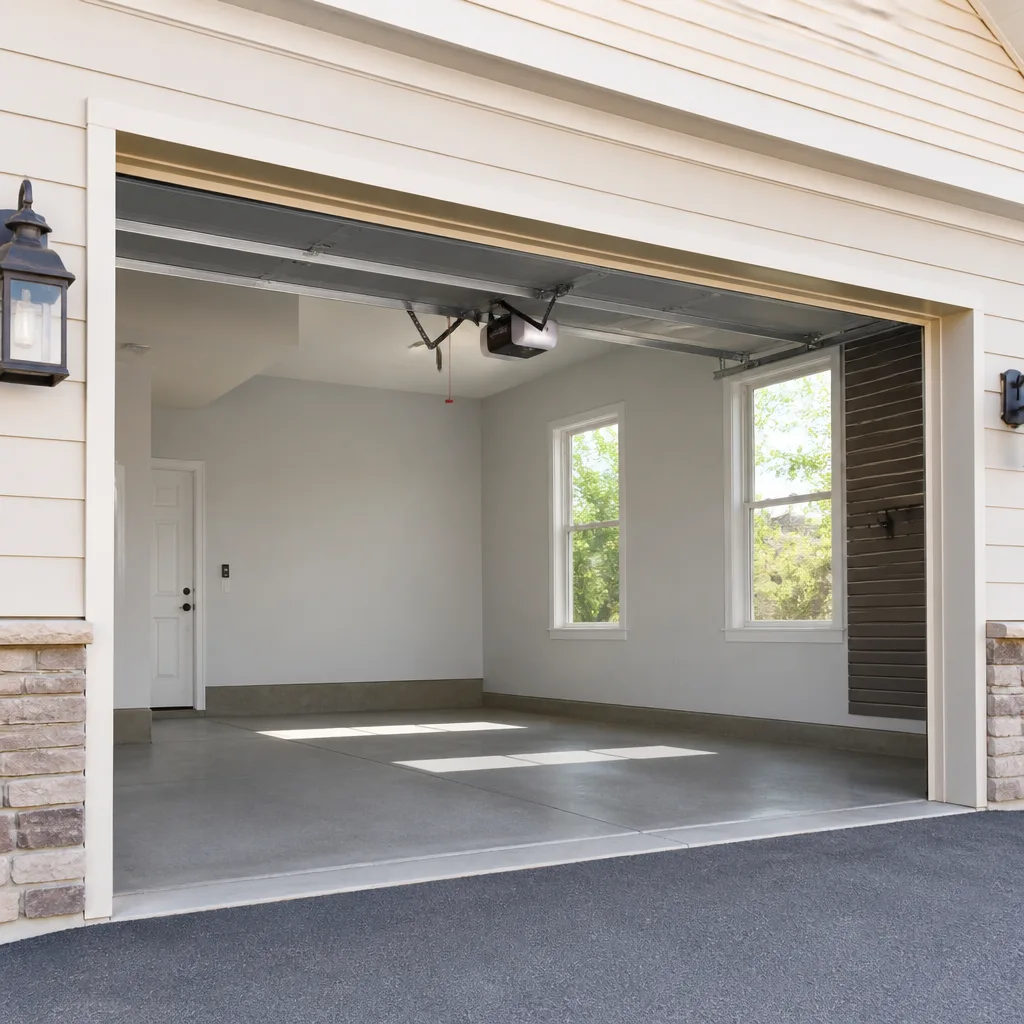 Chamberlain openers
Full 25-point door and opener safety check with every visit - springs, cables, rollers, tracks, and your LiftMaster or Chamberlain opener included
You get a price before we start. It does not change when the pro arrives.
Get your free estimateGarage Door Warning Signs: A Bridgeport Homeowner’s Reference Guide
A snapped torsion spring feels sudden. It isn’t. In our experience, a door usually gives three to five weeks of warning before the spring lets go: it lifts a little slower, sits unevenly at the top, and grinds in a way that wasn’t there last month. Most homeowners hear it and file it away as “the garage being the garage.” Then one morning the door won’t come up and the car is trapped inside. This guide is about reading those signals early, from the noises your door makes to the balance and speed tests you can run yourself. We’ll walk through what each warning points to, whether it’s cosmetic or structural, and how urgent it really is. Along the way we’ll flag the points where a Bridgeport homeowner should stop and call a professional. Nothing here is a repair tutorial; it’s a diagnostic reference so you know what you’re looking at.
Styles & brands we work with
- Raised-panel steel
- Carriage house
- Modern flush
- Full-view glass
- LiftMaster openers
- Chamberlain openers
Quick Answer
The main garage door warning signs are unusual sounds (grinding, squealing, popping, clicking), a door that moves slowly or unevenly, a bottom gap that won’t close flush, frayed or slack cables, bent tracks, and a door that won’t stay balanced when you test it by hand. Grinding or squealing usually means you can schedule service soon. Popping, a slack cable, or a door that drops on its own is a stop-using-the-door-now warning. The earlier you catch these in Bridgeport, the smaller the repair.
Table of Contents
- Why Garage Door Warning Signs Matter in Bridgeport
- Sound-Based Warning Signs: What Each Noise Tells You
- Visual Inspection Cues: Alignment, Cables, and Rust
- Speed and Balance Tests You Can Run Yourself
- Cosmetic Issues vs. Structural Warnings
- The Severity Scale: Watch It, Schedule Service, or Stop Using the Door
- When the Problem Is the Opener, Not the Door
- Common Mistakes to Avoid
- When to Call a Professional
- Frequently Asked Questions
Why Garage Door Warning Signs Matter in Bridgeport
A garage door is the largest moving object in most homes. It weighs somewhere between the mass of a refrigerator and a small car depending on the material and size, and it cycles up and down several times a day. That’s a lot of mechanical stress on springs, cables, rollers and hinges, and every one of those parts wears. The question isn’t whether they’ll fail. It’s whether you’ll notice the wear before the failure.
Bridgeport homes deal with a specific set of conditions that speed up that wear. The temperature swing between a cold winter and a humid summer works on metal and on the wood or steel panels themselves. Doors on the south-facing sides of houses take more heat and UV, which fades and dries finishes faster. Older homes in neighborhoods like Black Rock, the Hollow, and North End often have original tracks and hardware that have been through plenty of freeze-thaw cycles. Newer construction and renovated places might have a modern opener but older springs, or the reverse.
What all this means for a Bridgeport homeowner is simple: your door is telling you things. A slow lift, a halting stop midway, a sound that wasn’t there a few weeks ago. Those are the early chapters. The expensive failure is the last chapter, and reading the early ones is how you avoid it.
The good news is that most warning signs are easy to read once you know what you’re looking at. Your door doesn’t hide its problems. It announces them, sometimes quietly, sometimes with a grind loud enough to hear from the kitchen. This guide is a reference for translating those signals, so the next repair is a planned one rather than a surprise. When the door needs more than a reference, our Bridgeport Garage Door Repair Pros page is the starting point for getting it looked at.
Sound-Based Warning Signs: What Each Noise Tells You
Sound is the earliest and most reliable warning most doors give. The trick is to figure out which sound maps to which part. This is where a lot of homeowners go wrong: they hear “a noise” and either ignore it until the door fails or panic and assume the whole door needs replacing. Neither is right. Different noises point to different components, and each one has a different urgency.
- Grinding. A gritty, metallic grind as the door moves usually points to rollers that have lost their bearings or a track that’s out of alignment. It’s often the most common early warning, and it usually means schedule service soon. Ignoring it wears the rollers faster and stresses the track.
- Squealing. A high-pitched squeal is typically a lubrication issue at the hinges or rollers, or a torsion spring that’s starting to bind. It’s usually the least urgent sound, a “watch it” sign, but it’s worth fixing because dry metal grinds itself down.
- Popping. A sharp pop, especially one that repeats at the same spot in the door’s travel, points to a spring that’s under stress or a cable that’s slipping. Treat popping as a schedule-service-now warning and stop cycling the door repeatedly until it’s checked.
- Clicking. A rhythmic click that repeats each cycle can be a loose hinge, a worn roller, or an opener gear or trolley issue. It’s usually a schedule-service sign, not an emergency, unless it comes with a door that’s behaving oddly.
- Banging or knocking. A heavy knock or bang at the top of travel can be a door that’s hitting its limit, a bent track, or an opener set wrong. This is a stop-and-look sign, because a door that doesn’t travel cleanly can come off its track.
In our experience, homeowners in Bridgeport tend to notice the loudest sound and miss the quietest one that matters most. A grind from a slightly misaligned track is more dangerous than a squeal from a dry hinge, even though the squeal is more annoying. If you’re hearing more than one sound, or a sound that’s gotten louder over a few weeks, that’s the door telling you it’s time to look.
Visual Inspection Cues: Alignment, Cables, and Rust
You don’t have to be a technician to spot the visual warnings. A quick walk around the inside of the garage with a flashlight tells you most of what you need to know, and it’s the second-cheapest diagnostic you have after your own ears. The trick is knowing what you’re looking for, so here’s the list we go through.
- Door alignment. Stand outside and look at the door where it meets the frame. A door that’s shifted to one side, gapped on one edge, or not flush at the bottom is telling you the track, the cables, or the springs are out of balance. A door that sits even in the morning and uneven in the afternoon is a common sign of temperature-related track movement.
- Cable fraying. Cables run along each side of the door and are under heavy tension. A healthy cable is a clean, tight line. A frayed cable looks fuzzy, has broken strands poking out, or is slack on one side. A slack or frayed cable is a stop-using-door-now warning. Do not touch it or try to adjust it. Cables can cut.
- Rust patterns. Surface rust on the panels is cosmetic. Rust concentrating at hinges, bolts, or the bottom brackets is a different story, because it eats into the moving parts and can seize a hinge or weaken a bracket. Where the rust is tells you whether it’s cosmetic or structural.
- Track condition. Look down each track for dents, dings, or a gap between the rail and the frame. A bent section is a track-repair warning and often the cause of the grinding and misalignment above.
- Springs. A torsion spring sits above the door on a bar. Look for a gap in the coil, which means it’s broken. Look for a spring that’s visibly stretched or uneven. A broken torsion spring means stop using the door; it won’t hold the door safely.
A visual check takes a couple of minutes and can catch a problem while it’s still a repair. Doors in Bridgeport neighborhoods with older housing stock deserve a closer look, since original hardware has been through a lot of seasons. When you’re ready to have someone go through it properly, our garage door repair service is the place to start.
Speed and Balance Tests You Can Run Yourself
Two simple tests tell you a lot about the health of your springs, cables, and motor. They’re safe for most people to do with a little care, and they’re worth doing once every few months, especially as the seasons turn in Bridgeport. The tests are different, so we’ll take them one at a time.
The Speed Test
Watch the door move from fully closed to fully open, and time it in your head against the way it moved a few months ago. An opener-mounted door should move smoothly and evenly. What you’re looking for:
- Watch for a halting or jerky start, and a door that stops and starts at the same spot.
- Listen for a change in the opener’s sound as the door rises. A motor that strains partway up can mean a spring or cable is fighting it.
- Watch the top edge of the door. If it lifts unevenly, one side lagging the other, the springs are out of balance.
- Time the full cycle against how it used to run. A door that’s gotten noticeably slower is putting more load on the motor.
The Balance Test
This is a manual test, so do it carefully. With the door closed, pull the opener’s release cord to disconnect the door (if you have an opener). Lift the door by hand about halfway up and let go. A balanced door holds its position or settles only slightly. A door that feels heavy, drops, or shoots up is out of balance. That’s a spring or cable warning, and it’s the kind of thing to stop doing and have checked by a professional. Springs and cables carry serious tension and can injure you badly if they break while you’re near them. If the door won’t hold its position, schedule service before cycling it again. Our garage door spring repair service exists for exactly this.
Cosmetic Issues vs. Structural Warnings
One of the most useful skills a homeowner can develop is telling the difference between a door that looks a little rough and a door that’s warning you. A cosmetic issue is a wear mark. A structural issue is a sign the door’s ability to hold itself safely is changing. Getting the two mixed up goes both ways: people panic about a little rust and ignore a frayed cable, or they take a door that needs service for granted because it still opens.
Here’s how to sort them.
- Cosmetic. Surface rust on steel panels. Faded or peeling paint. Minor dents from a backed-into bumper. Dirt streaks. A small scratch in an aluminum door. Worn appearance on the bottom seal. None of these changes how the door moves, and none of them need a professional unless they’re bothering you.
- Structural. A bent track or a hinge pulled loose from its mounting. A frayed, slack, or kinked cable. A torsion spring with a visible gap or that’s lost tension. Rollers that have flattened or worn through. Panels that have bowed or separated at the seams. A door that sits crooked in the frame. These change how the door moves, and the door’s weight is no longer evenly supported.
Bridgeport’s freeze-thaw season tends to make the line between the two clearer. A cosmetic dent stays a cosmetic dent. A structural issue gets worse with every cycle, and a bent track or a slack cable can fail suddenly. If you’re not sure which category a mark falls into, that’s a question worth asking a technician. When a cosmetic issue is your whole concern and the door still runs clean, there’s no rush. When the issue is structural, there is.
The Severity Scale: Watch It, Schedule Service, or Stop Using the Door
Every warning sign gets one of three ratings: watch it, schedule service, or stop using the door. The rating isn’t about how scary the sound is. It’s about how close the condition is to causing a failure or an injury. Here’s how we sort them.
Watch It
- A single squeal or chirp that comes and goes.
- Surface rust with no impact on movement.
- A cosmetic dent or faded paint.
- A quiet hum or rattle you didn’t hear before, with no change in how the door moves.
- One small spot of wear on a roller or hinge.
Note when it started, and check again in a week or two. If the sound fades or the sound doesn’t change, fine. If any of it gets louder or shows up at a new spot, move it up a step.
Schedule Service
- A steady grind that repeats every cycle.
- A door that’s moving noticeably slower than it used to.
- A door that lifts unevenly or stops in the same spot each time.
- A bottom edge that doesn’t sit flush.
- Rust concentrated at hinges, bolts, or brackets.
- A popping sound at the same point in the travel.
- The opener straining or stopping partway and restarting.
These are the good-news warnings. The door still works, you’ve caught it early, and the repair is likely smaller than letting it run.
Stop Using the Door
- A visible gap in the torsion spring.
- A slack, frayed, or kinked cable.
- A door that drops or slams.
- A door that comes off its track or hangs unevenly enough to bind.
- A loud bang from the spring area, followed by a loose door.
- A door that fails the balance test and won’t hold its position.
These are the warnings an experienced technician takes seriously, and a homeowner should too. A door in this condition can fall on a person or a car, and the spring and cable tension is dangerous to touch. Stop cycling it and call for service. Our garage door repair side of the business handles these, and we also offer emergency service for a door that’s stuck or unsafe. We answer 24/7. Fast dispatch from 7am to 7pm, Sunday through Friday, and we’re closed Saturday.
When the Problem Is the Opener, Not the Door
Some symptoms live in the opener and motor, not the door hardware. Telling them apart early saves you from paying for the wrong repair, and it tells you which system to have looked at. On a LiftMaster or Chamberlain chain-drive, the opener usually tells you it’s struggling before the door does. A Craftsman or Genie unit may show its age through the remote before the motor itself. Raynor and other door systems can look perfectly healthy while the opener is the reason the door stutters.
Opener-side warnings to watch for:
- A motor that hums but doesn’t lift the door. Often a stripped gear or a failed capacitor.
- The door reversing for no reason partway down. Usually a sensor, an adjustment, or a worn gear.
- Remote or wall-button lag, or a remote that works only up close. Can be a battery, a receiver, or a logic board.
- A motor that runs and stops, runs and stops, while the door moves only a few inches. Often a travel-limit setting or a logic board.
- A door that runs down and the motor keeps clicking past where the door already stopped. A limit adjustment issue.
In our experience, homeowners often go straight to “the door is broken” when the hardware is fine and the opener’s the culprit, or the reverse. A proper diagnosis looks at both. That’s why we run garage door opener repair alongside the door-side service, and why our technicians work on the eight main brands, including LiftMaster, Chamberlain, Genie, Craftsman, Clopay, Amarr, Wayne Dalton, and Raynor. You don’t have to call a different company for the door and the motor.
Common Mistakes to Avoid
These are the missteps we see come up again and again. Avoiding them will save you time and money and keep you safe.
- Ignoring a slow change. A door that’s been a little slower for a month is easy to rationalize, but a spring that’s losing tension doesn’t fix itself, and the change usually gets steeper. Pay attention to timing, not just to catastrophic failure.
- Treating a slack cable as a “watch it.” A cable under tension that’s frayed or slack is a stop-using-door condition, not a wait-and-see. Do not try to tighten or adjust it yourself. Bridgeport winters push on older cables hard, and a failure can happen without much warning.
- Greasing everything. Some parts like lubricant; others attract dust and grit and wear faster with it. If you don’t know which is which, don’t spray. Ask a technician or leave the lubrication to them.
- Confusing cosmetic looks with structural problems, or the reverse. Surface rust on a panel is not an emergency, and a bent track is not a cosmetic issue. The line between them is how the door moves, not how it looks.
- Running a door that’s come off its track. A door that’s skewed enough to bind can fall. Don’t push it back into place by hand, and don’t cycle it to see if it clears. Stop it and call.
- Letting the balance test go untried. Homeowners often skip the manual balance test because it seems fussy, but it’s the quickest way to catch a failing spring while it’s still a repair.
- Assuming the door needs replacing when the opener is the problem. On many LiftMaster and Chamberlain setups, the door panels and tracks are fine while the opener is the issue. Look at both before buying a new door.
When to Call a Professional
Some warning signs are a reference-guide exercise; others are a phone call. Call a professional when the cable is frayed or slack, when a torsion spring has broken, when the door drops or slams, when it’s off its track, or when it fails the balance test and won’t hold its position. Call when a grind has been steady for weeks, when the opener hums and doesn’t lift, or when a door won’t close flush and you can’t find why. In Bridgeport, a door that’s become the reason you can’t get the car out and can’t secure the house is a call, not a research project. Bridgeport Garage Door Repair Pros offers free estimates in Bridgeport. Call (844) 647-0405. We answer 24/7. Fast dispatch from 7am to 7pm, Sunday through Friday, and we’re closed Saturday. Our technicians have up to 11 years of experience.
Frequently Asked Questions
The first sign is usually a change in sound or speed, not a break. A door that starts grinding, gets slower, or lifts unevenly is telling you a part is under more load than it used to be. In our experience, the grind and the slow lift both show up weeks before a spring snaps. If you notice either, it’s worth having the door looked at before it stops working.
A popping sound from the spring or cable area is a schedule-service-now warning, not a watch-it sign. Popping usually points to a torsion spring or a slipping cable, and either condition can get worse quickly. Stop cycling the door repeatedly and call for service. If a pop is followed by a bang and the door feels loose or drops, treat it as a stop-using-door emergency.
No. A slack or frayed cable is under heavy tension and is dangerous to touch. Do not try to tighten, cut, or adjust it, and do not cycle the door with a frayed cable. Call a trained professional. This is one of the repairs the trade treats as hazardous, and it’s why we don’t recommend DIY work on cables or springs. Call (844) 647-0405 for a free estimate if you’re seeing one.
Watch what the opener does when the door moves. If the motor hums but the door doesn’t lift, or the door reverses partway down, the opener is often the problem. If the door moves but grinds, lifts unevenly, or sits crooked, the door hardware is usually the issue. When the symptoms overlap, a proper diagnosis looks at both. We work on both sides, and our opener service covers LiftMaster, Chamberlain, Genie, and Craftsman units.
A yearly inspection is a good habit, though a door with no warning signs isn’t urgent. A routine check catches worn rollers, a tired spring, or a loose hinge before it becomes a failure. In Bridgeport, we suggest a look after winter and again after the summer heat, when tracks and panels tell you what the season has done. If you haven’t had the door looked at and it’s been a while, that’s a reasonable reason to call.
Look for a company that works on both the door and the opener, names the brands it services, and gives you a free written estimate before the work starts. Ask whether they offer emergency service if a door is stuck or unsafe, and whether technicians carry experience with the system you have. Our technicians have up to 11 years of experience and work on LiftMaster, Chamberlain, Genie, Craftsman, Clopay, Amarr, Wayne Dalton, and Raynor equipment. Call (844) 647-0405 for a free estimate.
The Bottom Line
A garage door rarely fails without a warning. It gives you weeks of signals: a grind, a slow lift, a crooked sit in the frame, a squeal or a popping sound. Read them early and most of them are small repairs. Read them late and you’re dealing with a snapped spring or a door that won’t close. This guide gives you three tools to sort them. First, listen and map each sound to a component. Second, look at the visual cues: alignment, cable condition, rust patterns, track. Third, run the speed and balance tests to check the springs and motor. Then rate what you find: watch it, schedule service, or stop using the door. The stop-using-door list is short: broken or gapped springs, slack or frayed cables, a door that drops, a door off its track, a door that fails the balance test. For everything else, scheduling service early keeps the repair small. If you’re not sure where your door sits, a free estimate settles it. Call Bridgeport Garage Door Repair Pros at (844) 647-0405. We handle garage door repair, spring and opener work, and full door installation for homes and rental properties across Bridgeport. We answer 24/7. Fast dispatch from 7am to 7pm, Sunday through Friday, and we’re closed Saturday.
Written by the team at Bridgeport Garage Door Repair Pros.
See the difference
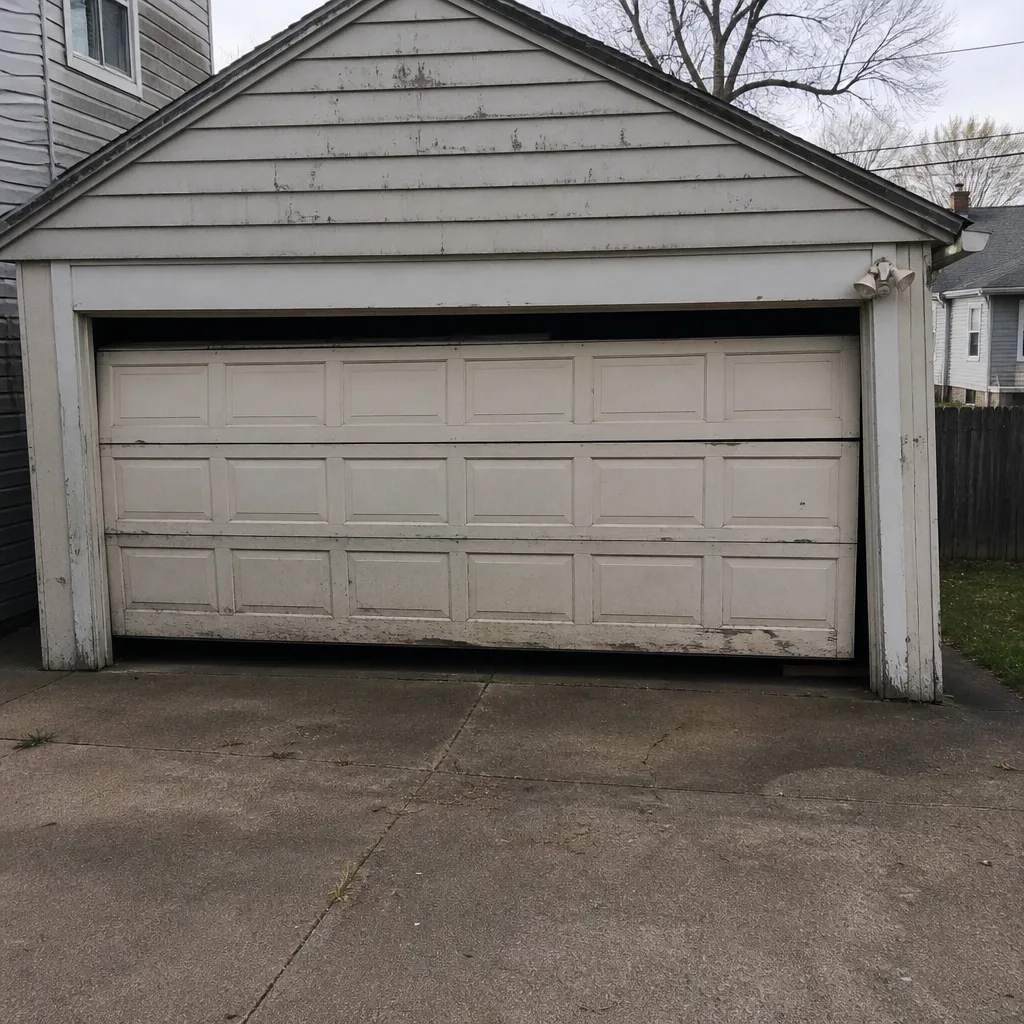 Before
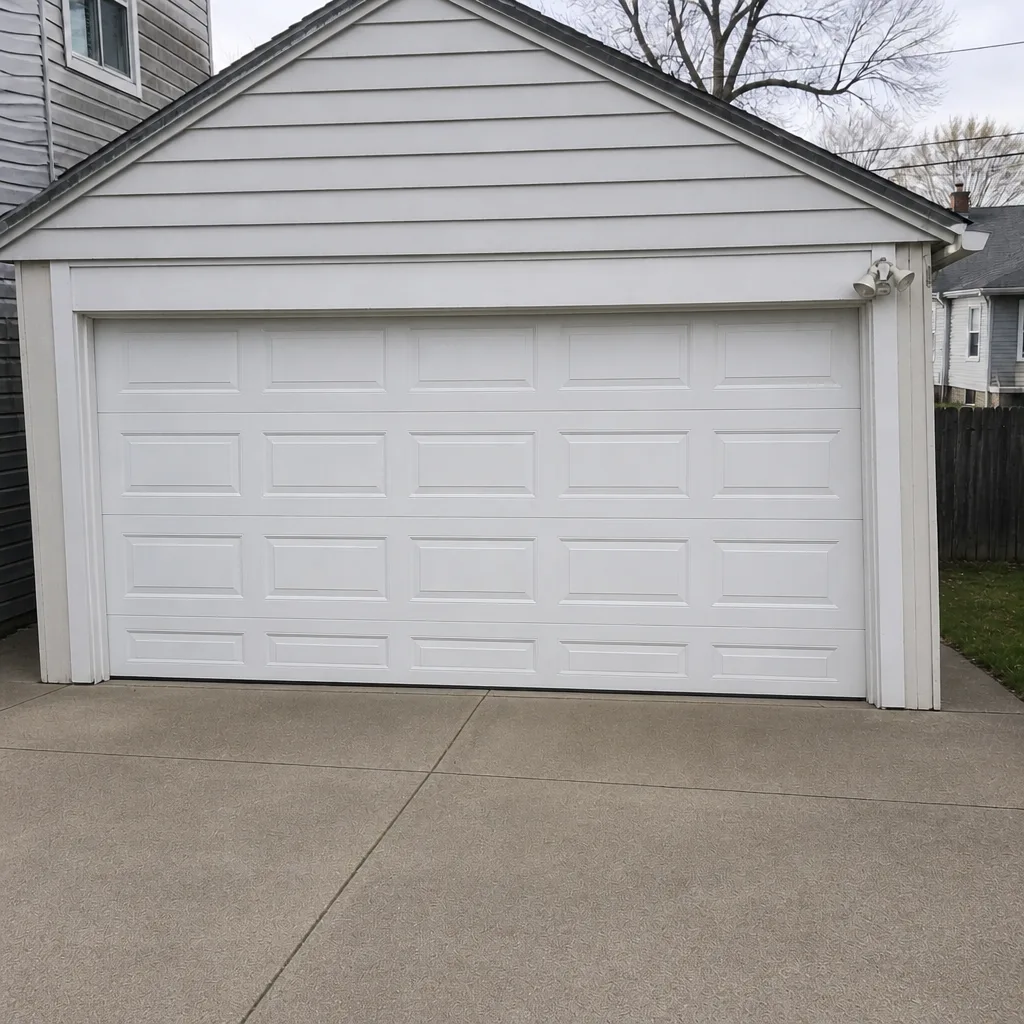 After
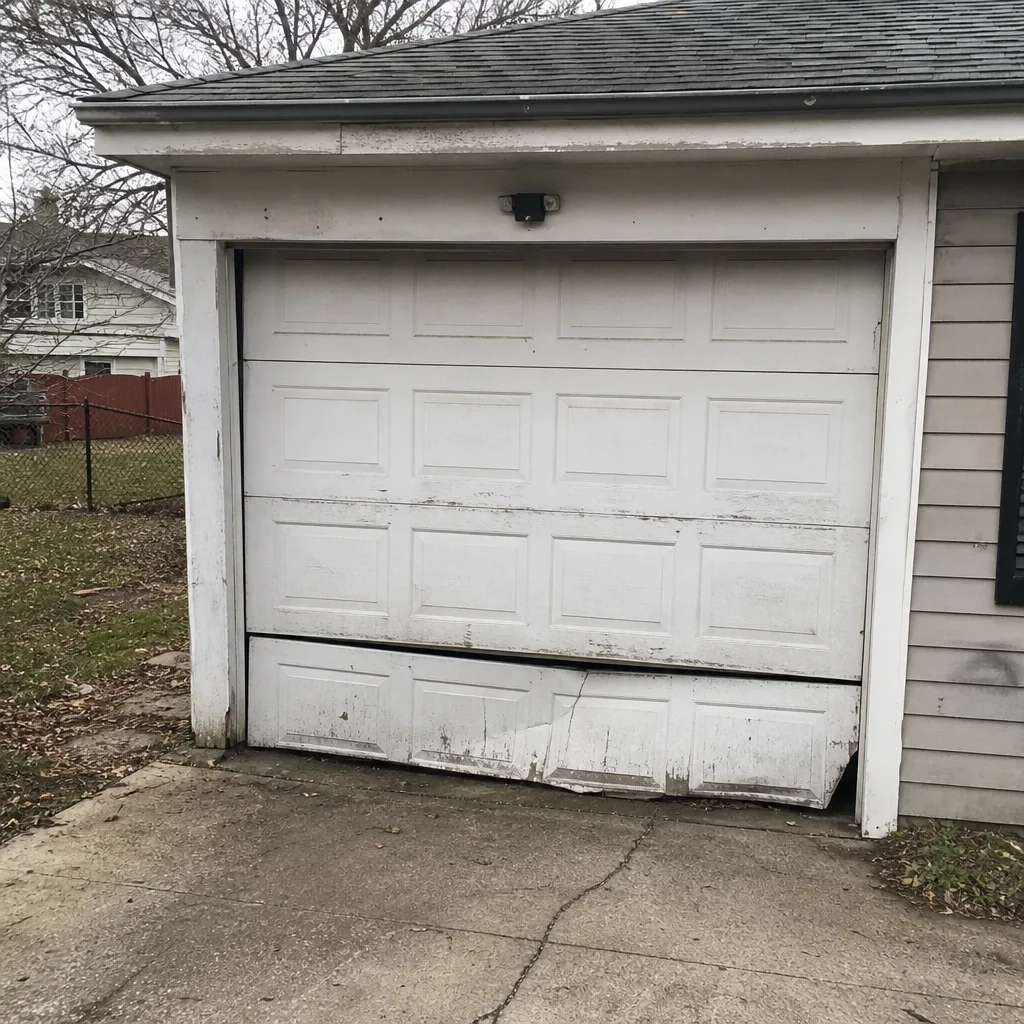 Before
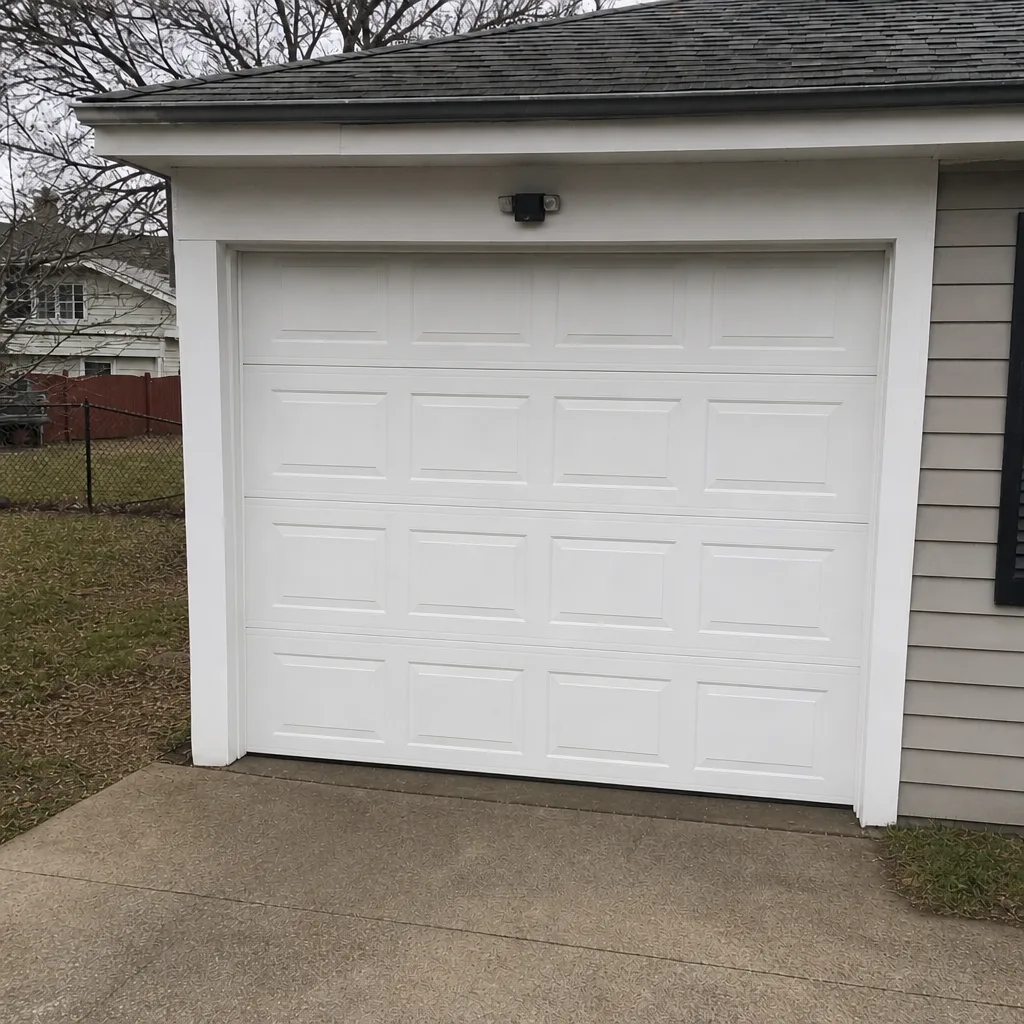 After
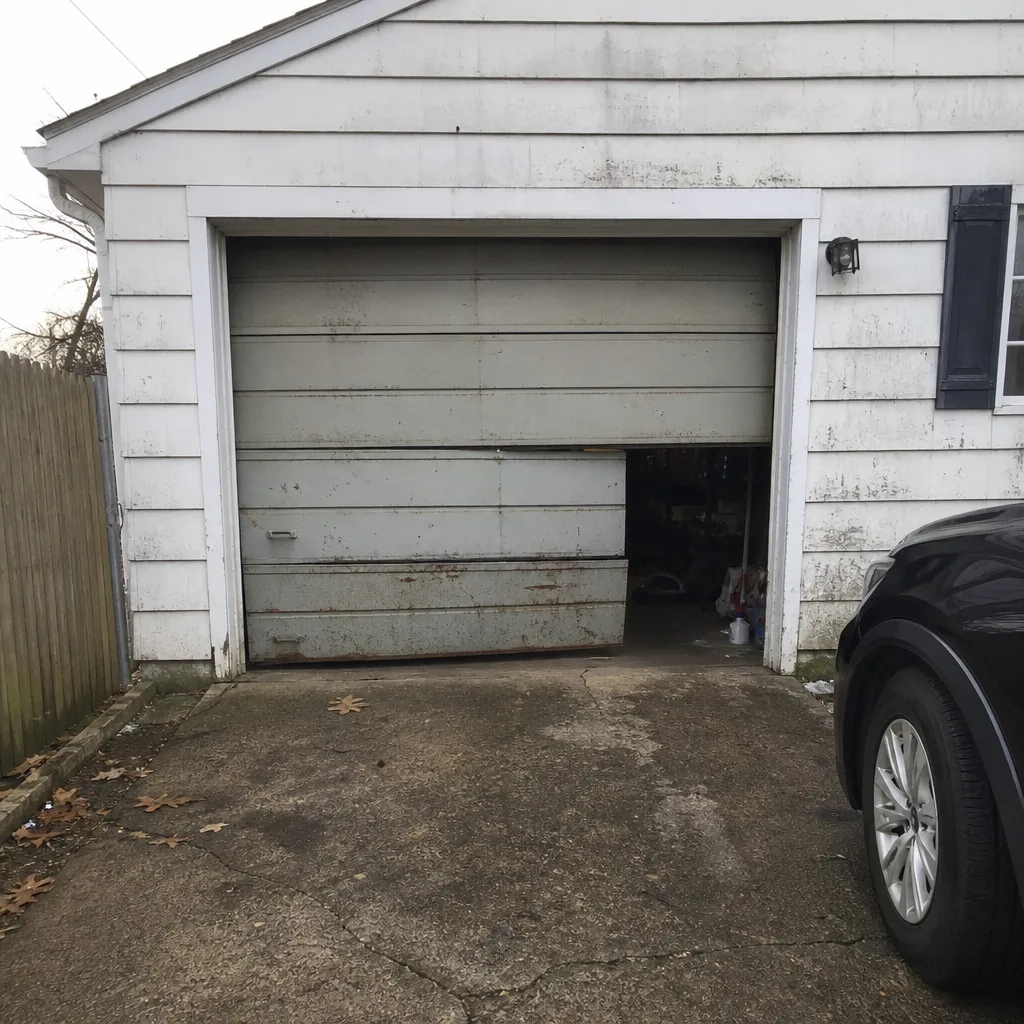 Before
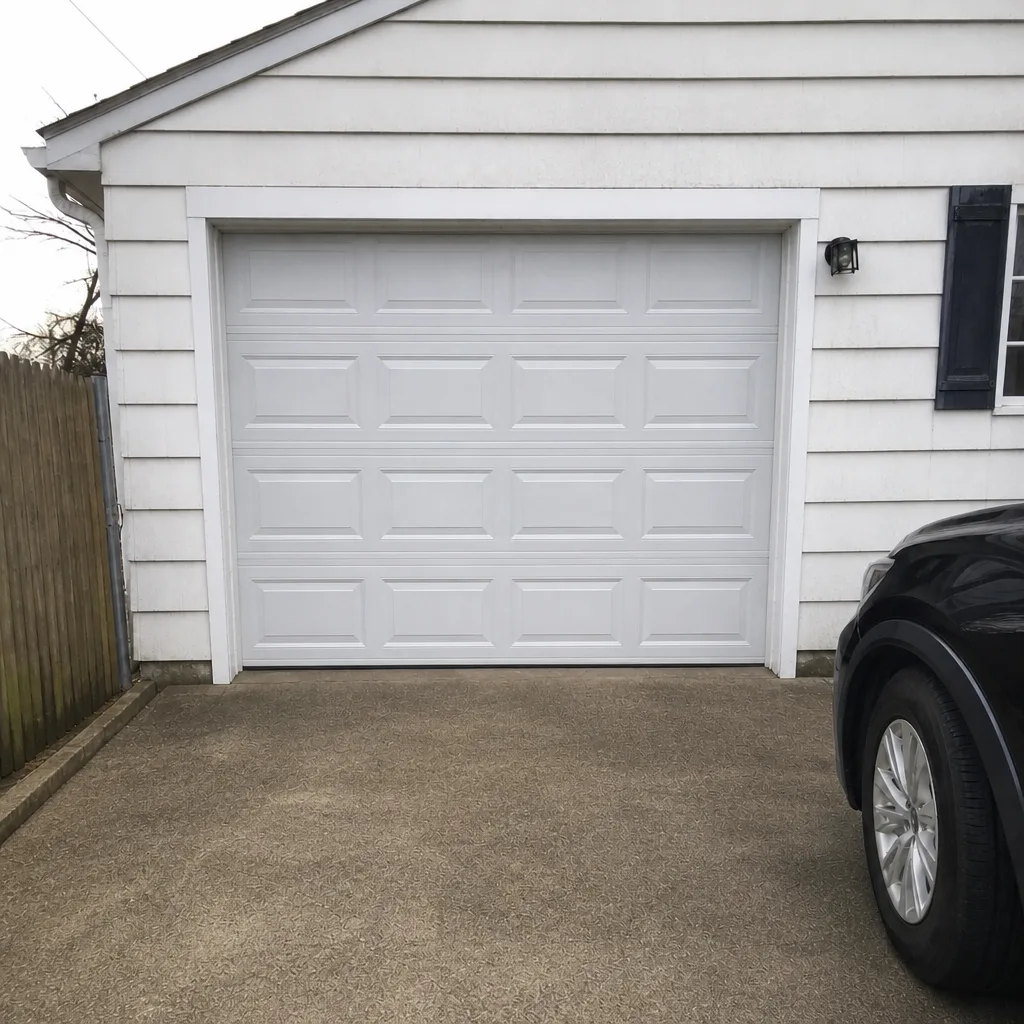 After