
Last updated November 20, 2026
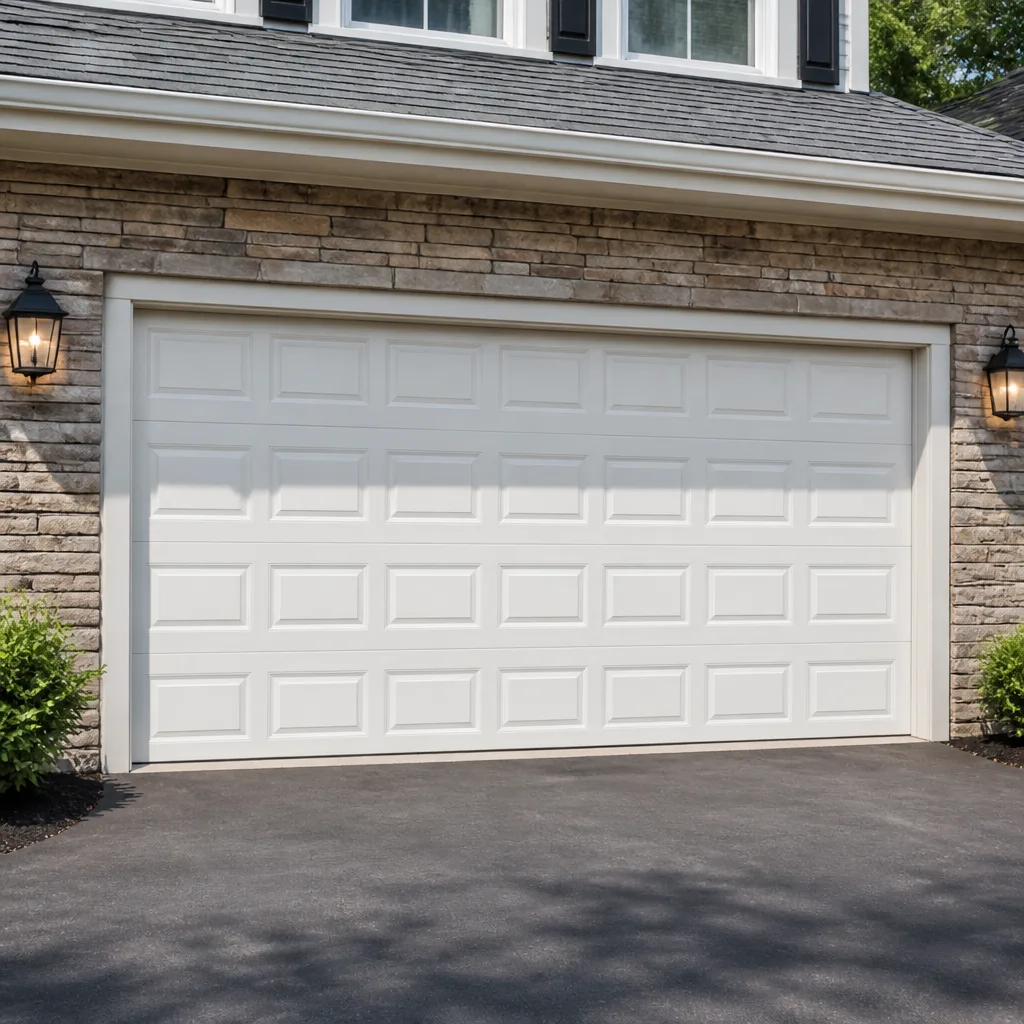 Raised-panel steel
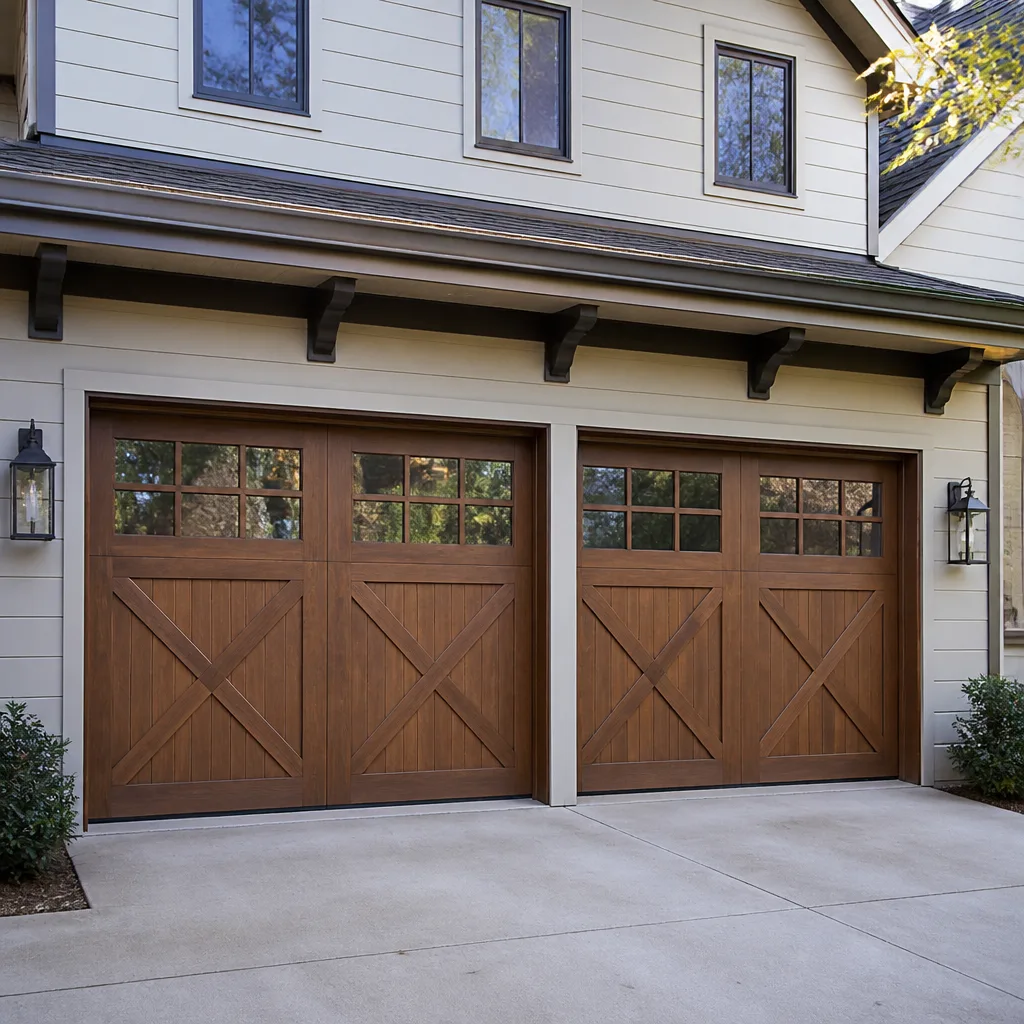 Carriage house
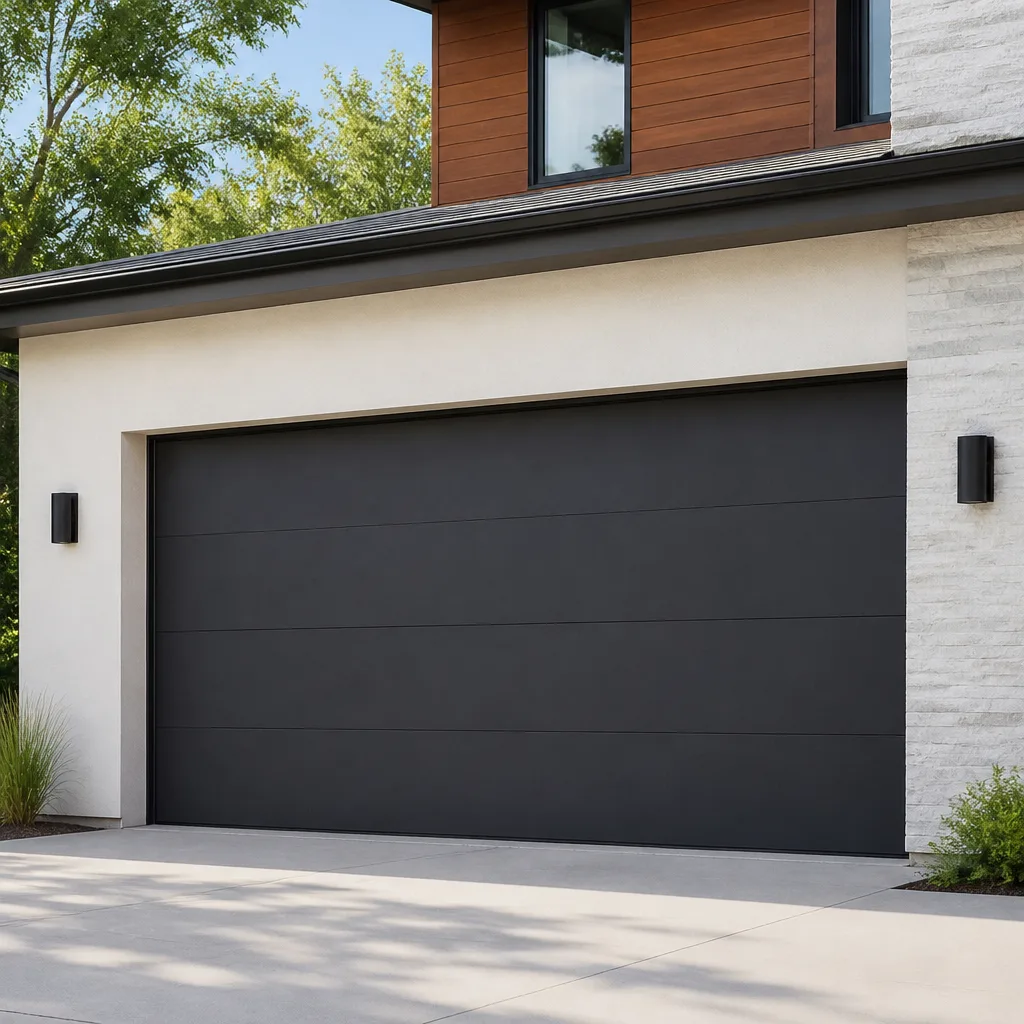 Modern flush
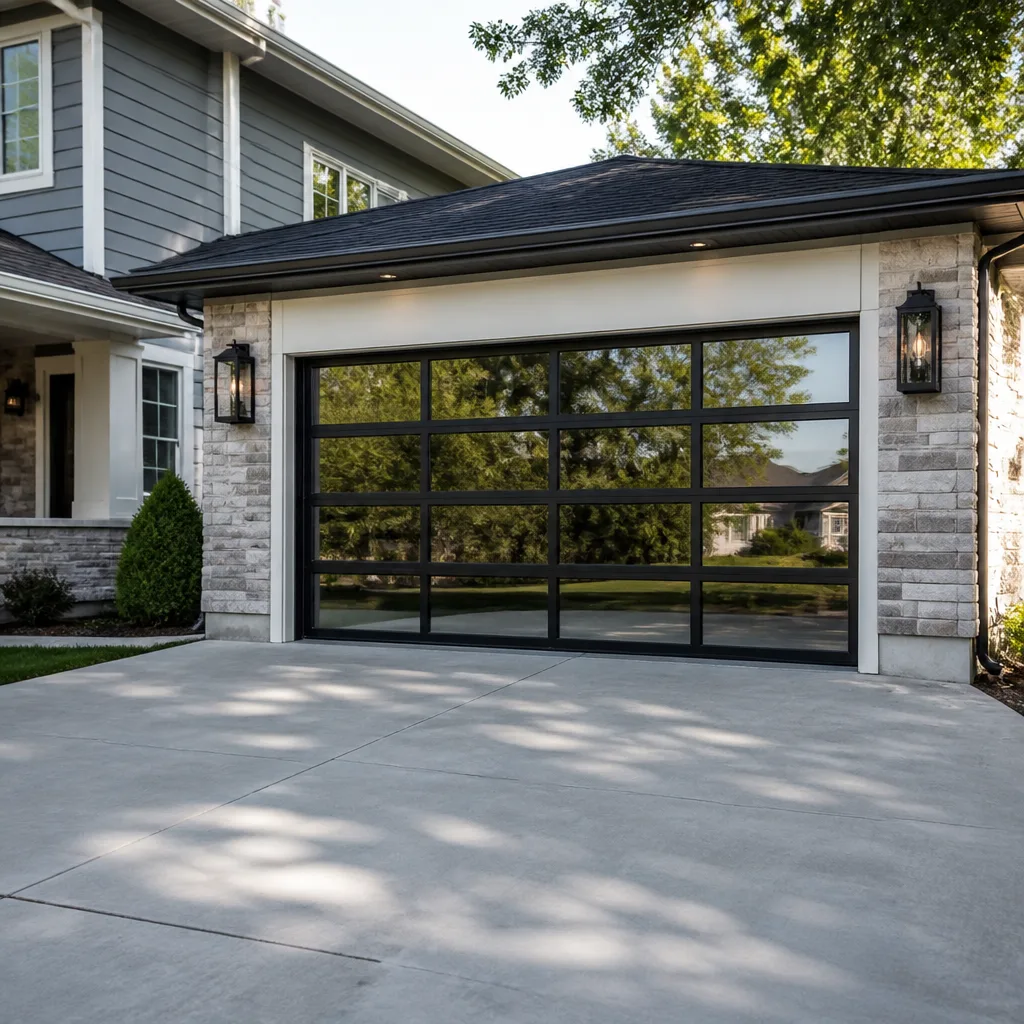 Full-view glass
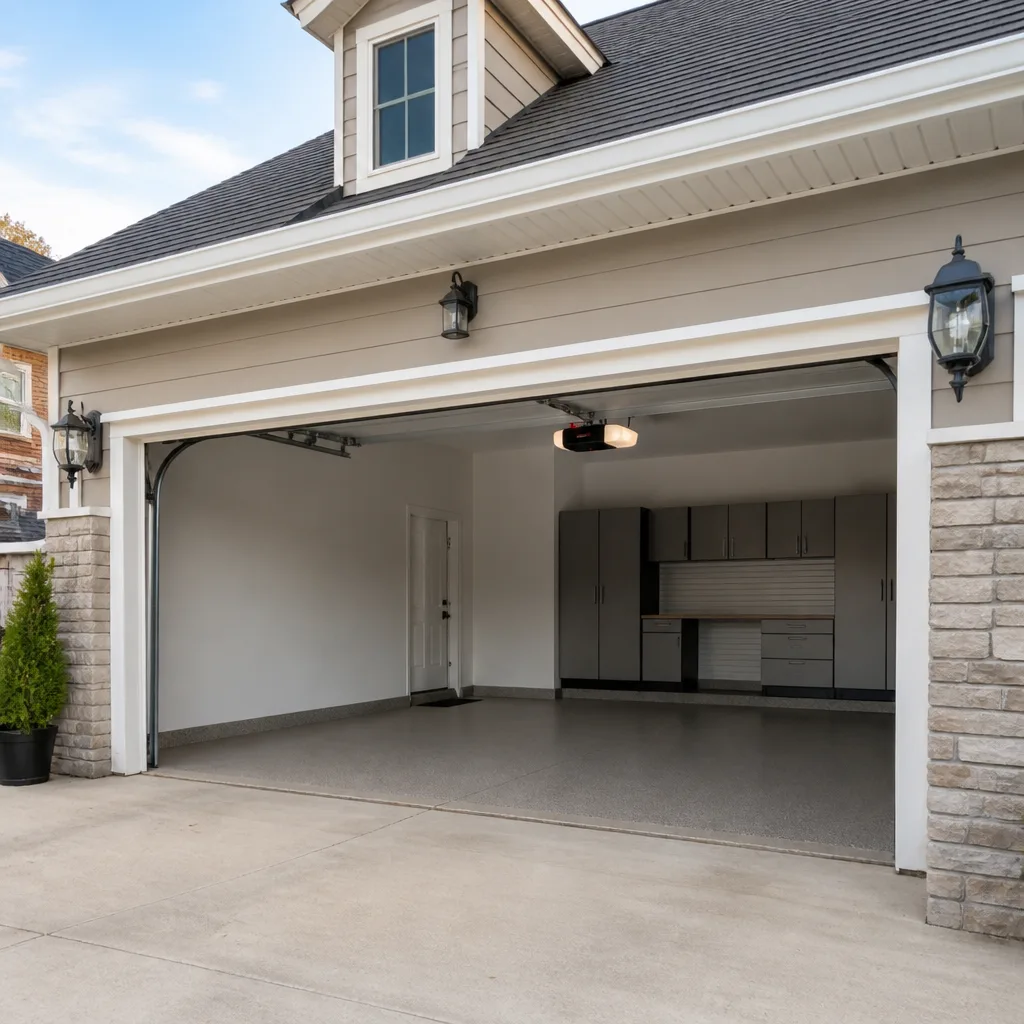 LiftMaster openers
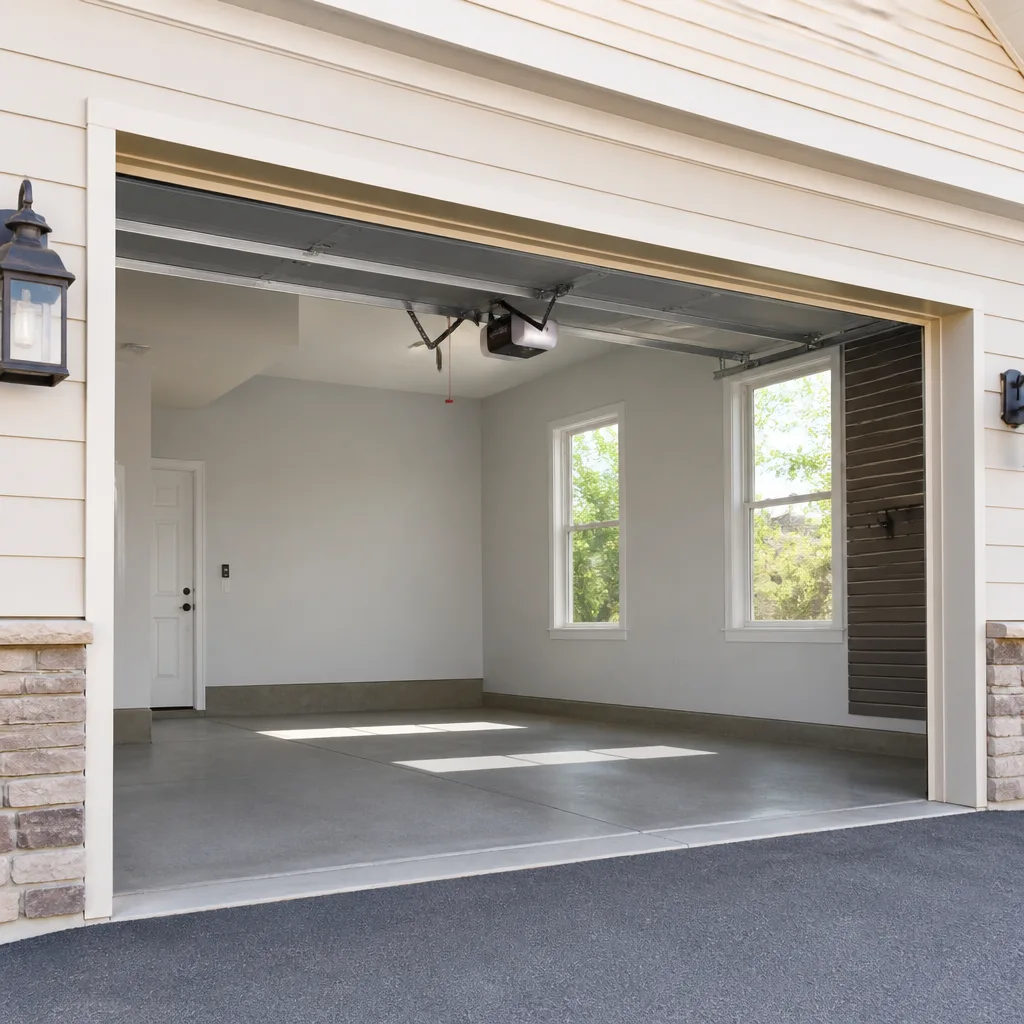 Chamberlain openers
Full 25-point door and opener safety check with every visit - springs, cables, rollers, tracks, and your LiftMaster or Chamberlain opener included
You get a price before we start. It does not change when the pro arrives.
Get your free estimateGarage Door Permits, Codes & Inspections in Bridgeport, CT: What You Need to Know
Most people assume a garage door is simple machinery, not a piece of construction regulated by the same building code that governs an addition or a deck. That assumption is where trouble starts. Connecticut’s building code treats a garage door as a structural opening between a garage and the living space it’s attached to, and in certain replacement scenarios that means a permit. Skip it and the work may not surface for years, then reappear as a defect on a home inspection right when a sale is closing. This guide explains exactly when Bridgeport’s building department wants a permit, how the state code applies to attached garages, who pulls the paperwork, what inspectors check, and how unpermitted work gets resolved. We’ll keep it in plain language, because the answer is usually less scary than the rumor.
Quick Answer
In Bridgeport, a like-for-like replacement of a garage door, or a straightforward repair of hardware, springs, or an opener, typically does not require a building permit. A permit usually becomes a question when the work changes the structure of the opening, changes the door’s fire rating, alters the header or framing, or is part of a conversion that affects the wall between the garage and the house. When in doubt, ask the city’s building department before the work starts, not after.
Styles & brands we work with
- Raised-panel steel
- Carriage house
- Modern flush
- Full-view glass
- LiftMaster openers
- Chamberlain openers
Table of Contents
- Does replacing a garage door in Bridgeport require a permit?
- How CT State Building Code Section R302 applies to attached garages
- The permit process in Bridgeport, step by step
- Who is responsible for pulling the permit: owner or contractor?
- What an inspector looks for during a garage door inspection
- How unpermitted garage door work surfaces during a home sale
- Why Bridgeport’s weather and housing stock affect garage door code questions
- Common mistakes to avoid
Does replacing a garage door in Bridgeport require a permit?
Sometimes yes, sometimes no, and the deciding line runs between “repair or like-kind replacement” and “work that changes the opening.” That distinction matters for anyone in Bridgeport planning garage door work, because pulling a permit on a job that doesn’t need one wastes time, and skipping one on a job that does creates a paper trail problem that can last for years.
Here’s how we explain the three buckets to customers:
- Repair. Replacing a spring, cable, roller, hinge, or panel; fixing a bent track; repairing or replacing an opener motor. This is maintenance on existing equipment. A permit is almost never part of the conversation, and calling for garage door repair shouldn’t trigger a permit question in the first place.
- Like-for-like replacement. Swapping an existing door for a new one of the same size, in the same opening, using the same track and spring setup. In most cases this is treated as a replacement, not new construction. Many homeowners still ask the city, and that’s a reasonable instinct before a big-ticket purchase.
- Work that changes the opening or its rating. Enlarging the opening, replacing a header, reframing the wall, changing the door to a fire-rated unit (or removing a fire-rated unit), converting a garage to living space, or adding a new opening where none existed. This is where a permit is typically expected and where an inspector may need to see the work in progress.
None of this is a substitute for a call to the City of Bridgeport’s building department, which has the final word on any specific address. That’s especially true in Bridgeport because the housing stock varies so much from neighborhood to neighborhood. A house in Black Rock or the North End may have a different garage configuration than a two-family in the East End or a row of homes near the Hollow. The code applies the same everywhere, but the details of any given job are what determine whether a permit is needed.
If you’re not sure which bucket your project falls into, the fastest route is to describe the job exactly as it is, not as you hope it is, to the building department before work begins. Our technicians have up to 11 years of experience and can describe what they’d be doing in plain terms if the city needs clarification. Call (844) 647-0405 for a free estimate and a straightforward read on your situation.
How CT State Building Code Section R302 applies to attached garages
Section R302 of the Connecticut State Building Code governs fire-resistant construction where a garage attaches to a house. It’s the section that explains why a garage door isn’t just a door: it’s part of the fire separation between a space that stores vehicles, fuel, and tools and the rooms where people sleep. The details of R302 are specific, and the version adopted by any given town can shift as code updates roll out, so the correct answer for your address comes from Bridgeport’s building department, not from a general guide.
What matters for a homeowner is how R302 shapes the many small decisions that come after “we’re getting a new door.” The fire separation between an attached garage and living space affects several components:
- The wall between the garage and the house, including any door that opens between them. That door has fire-rated requirements that a standard interior door does not meet.
- The garage door opening itself, especially in cases where the door is part of the fire separation because of how the garage is framed to the home.
- Penetrations and seals around the opening. Gaps and gaps-around-the-edge are part of the inspection, not an afterthought.
For most simple replacements, the practical effect of R302 is that the new door needs to fit the opening correctly and be installed with the weather seal, bottom seal, and hardware that keep the barrier intact. Where R302 comes up in a real conversation is when a homeowner wants to change the wall between the garage and the house, extend the garage, or take a fire-rated door out and put in something else. Those are structural changes, not door replacements, and they belong in the permit process.
If you’re planning a new installation or a structural change in Bridgeport, ask the building department directly whether R302 applies to your project and what documentation they’d want to see. Then ask us to measure the opening and put together a written estimate for the door itself. The two conversations go together. Call (844) 647-0405 to schedule a free measure and a free estimate.
The permit process in Bridgeport, step by step
The process for a garage-related permit in Bridgeport looks a lot like any other small residential permit, with a few specifics that matter. We’ve walked customers through the sequence enough times to describe it clearly. The exact fees and timelines come from the city, not from us, and they can change, so treat the following as the shape of the process rather than a quote.
- Describe the scope accurately. Call or visit the Bridgeport building department and explain exactly what work is planned. “Replacing the door” and “reframing the opening” are different projects in their eyes, and the permit conversation goes very differently.
- Find out whether a permit is required. For a like-for-like replacement, the answer may be no. For anything that changes structure or fire separation, the answer is usually yes.
- Prepare the paperwork. Most permit applications ask for a description of the work, a contractor’s registration or license information, and sometimes a simple drawing or product specification for the door being installed.
- Submit and pay the fee. Fees for small residential permits are typically modest, and the building department will tell you the current schedule. Don’t rely on a figure from a website, because schedules change.
- Schedule inspections. If the permit requires an inspection, it usually happens after the rough work and, in some cases, after the final installation. Ask specifically when the inspector needs to see the job so the sequencing doesn’t get in the way of the install.
- Close out the permit. Once the inspection passes, the permit gets closed and the record stays with the property. That record is the thing that protects you later.
The most common mistake we see in Bridgeport is homeowners asking “do I need a permit?” of the wrong person. A neighbor who replaced a door ten years ago, a buddy who works in construction in another state, or a product page on a big-box store website can’t answer the question for your address. The building department can, and a call takes minutes.
Call (844) 647-0405. We answer 24/7. Fast dispatch from 7am to 7pm, Sunday through Friday. Free estimates, and the price is quoted and agreed before any work starts.
Who is responsible for pulling the permit: owner or contractor?
In most Connecticut towns, either the homeowner or the licensed contractor can pull the permit, but the choice matters. When the homeowner pulls the permit, the homeowner becomes the responsible party for the work, including inspections and any corrections the inspector requires. When a contractor pulls the permit, the contractor is on the record, and the permit is tied to a registration that the city can verify. For anything beyond a basic replacement, having the contractor on the permit is usually the cleaner path.
For garage door work specifically, the split usually comes down to this:
- Simple repair or like-kind replacement. Often no permit at all, so the question doesn’t come up. If it does, the homeowner can handle the paperwork for a straightforward swap in many cases.
- Work requiring a permit. The contractor doing the work should be the one on the permit. That includes any structural changes, fire-rated door work, and anything the building department wants to inspect.
- Homeowners acting as their own general contractor. Occasionally a homeowner coordinates subcontractors. That’s allowed in Connecticut for an owner-occupied home in many cases, but the homeowner takes on the responsibility for inspections and code compliance. We always recommend a direct conversation with the building department before going that route.
One more nuance: the local pro performing the work is licensed and insured as their state requires. Ask for the registration number before any work starts, whether or not a permit is involved. For straightforward repairs like garage door opener repair, the question of permits is usually a non-issue, but a licensed pro is still the right call for the work itself.
If you’d like a free estimate on a door replacement in Bridgeport and want to know how we handle the paperwork conversation, call (844) 647-0405. We’re happy to walk through what the city will want to see. We answer 24/7.
What an inspector looks for during a garage door inspection
When a garage door permit requires an inspection, the inspector is checking whether the work matches the permit and whether the door functions as part of a safe, code-compliant opening. It’s not an aesthetic review and it’s not a test of the door brand. It’s a check on the things that matter for structure, safety, and fire separation. Here’s what typically gets attention:
- The opening matches the permit. Same size, same location, same structural framing as the approved scope. Changes made during the job need to be reflected in the record.
- The door operates correctly. It opens and closes smoothly, the spring is doing its job, and the opener (if there is one) responds properly to the controls.
- Safety reversal. Modern openers are required to reverse when they meet an obstruction. The inspector may check this with a test object in the door’s path.
- The fire separation is intact. Where the garage door or the connecting wall is part of the fire separation between the garage and the house, the sealing and materials have to be in place.
- Hardware is properly attached. Track, brackets, and hinges secure to solid material. Anything loose or improvised gets flagged.
- Labels are visible. Door and opener labeling needs to be visible enough that an inspector can read it.
The most common failure point isn’t the door. It’s the paperwork and the sequencing. If the inspector expects to see the work at a particular stage and the installation is already finished, the job can get complicated. Ask the building department when the inspection is supposed to happen, and tell your installer so the schedule cooperates.
For spring-heavy jobs, inspections occasionally ask for confirmation that the spring replacement was done by a trained technician and not improvised. Springs are dangerous, and this is not a DIY repair. Our technicians treat them that way. If you need garage door spring repair in Bridgeport, call (844) 647-0405 for a free estimate, and we’ll explain what the work involves before anyone touches the door.
One practical note: if your permit-ready door was ordered in a brand that requires special hardware, we work on Amarr, Wayne Dalton, Craftsman, and Raynor systems, along with LiftMaster, Chamberlain, Genie, and Clopay. That covers most of the doors and openers installed in Bridgeport homes, which means the install and the inspection can usually stay on schedule without a parts delay.
How unpermitted garage door work surfaces during a home sale
Unpermitted garage door work usually stays quiet until someone starts looking for it, and the person most likely to look is a home inspector working for a buyer. That’s the moment the issue becomes expensive, not because the work was necessarily bad but because the paperwork isn’t there. When the record is missing, buyers, their agents, and their lenders all want to know what was actually done, and “the previous owner had it installed” is not a satisfying answer.
The typical sequence looks like this:
- A buyer’s home inspector notes that a garage door or opener appears newer than the rest of the structure and asks for documentation. In Bridgeport, where many homes have had additions, replacements, and updates over the years, this question comes up regularly.
- The seller can’t produce a permit record or a contractor’s documentation. That triggers a request to the city for permit history, which either confirms the work or confirms the gap.
- The issue moves to the negotiation. Sometimes it’s resolved with a letter from a licensed contractor confirming that the work was done correctly. Sometimes it’s resolved by the buyer asking for a credit. Occasionally it stalls the sale until the record is sorted out.
- If the buyer’s lender requires it, the work may need to be inspected by the city after the fact or corrected to bring it into compliance. That’s when “we’ll deal with it later” turns into a real cost and a real delay.
What most sellers don’t realize is that the cost of a permit is small compared to the cost of resolving a gap during a sale. The fees themselves are modest, and the inspection is usually a brief visit. The real cost of an unpermitted job is the leverage it gives the other side of the table, and the time it adds to a transaction that’s already stressful.
If you’re planning a replacement in Bridgeport and think there’s any chance it might need a permit, get the paperwork handled up front. Call (844) 647-0405. Free estimates, and we’ll help you figure out what the building department will want to see before the work starts.
Why Bridgeport’s weather and housing stock affect garage door code questions
Bridgeport’s climate is a real factor in how garage doors age and how often they get replaced, and that ties directly back to the permit question. Winters here bring freezing temperatures, snow, and ice, and the freeze-thaw cycle works on a door’s bottom seal and the concrete at the threshold. Summer humidity swells wood framing and stresses the hardware. A door that’s been through ten or fifteen Bridgeport winters is often at the end of its service life even if it still opens, and that’s exactly when homeowners start thinking about replacement, which brings us back to permits.
The housing stock adds another layer. Bridgeport has a wide range of home ages, from older multi-family homes in the Hollow and the East End to single-family houses in Black Rock and the North End. Older garages often have framing that doesn’t match modern standard dimensions, which means a replacement isn’t always a pure like-for-like swap. If the new door requires any adjustment to the opening, that’s the point where a permit conversation should happen. It’s also the point where a free measure matters, because knowing the actual dimensions of your opening is what tells you which bucket your project falls into.
We’ve noticed that a lot of the permit confusion in Bridgeport comes from homeowners assuming replacement equals simple. Sometimes it is. Sometimes the opening has settled, the header has moved, or the original install was done to a different standard than today’s code, and the job is bigger than it looked. Get the door measured before you assume. Call (844) 647-0405 for a free estimate and a specific read on your opening.
Common Mistakes to Avoid
- Asking the wrong person about permits. A neighbor’s experience or a product page doesn’t answer the question for your address. The City of Bridgeport building department does, and a call takes minutes.
- Assuming all replacements are permit-free. Like-for-like swaps usually are, but anything that changes the opening, the header, or the fire separation is a different conversation. Get it settled before you order a door.
- Having the work done before the paperwork. Sequencing matters. Some permits require an inspection at a specific stage, and a finished installation can complicate that. Ask the building department when the inspector needs to see the job.
- Not keeping documentation. Save the permit record, the invoice, and the door’s spec sheet. When the house goes on the market, that file is what answers the inspector’s question.
- Trusting an unlicensed install to save a little money. The local pro should be licensed and insured as their state requires. A cheaper install that leaves you with no record and no recourse is not cheaper.
- Doing spring work yourself. Springs are dangerous, and this is not a DIY repair. Stored tension in a torsion spring can cause serious injury in seconds. Leave it to a trained technician.
- Letting a small framing issue wait until the sale. If your opening has settled or the header has moved, fixing it ahead of time is almost always easier than explaining it during a home inspection. Bridgeport’s older housing stock makes this a real risk, not a hypothetical one.
See the difference
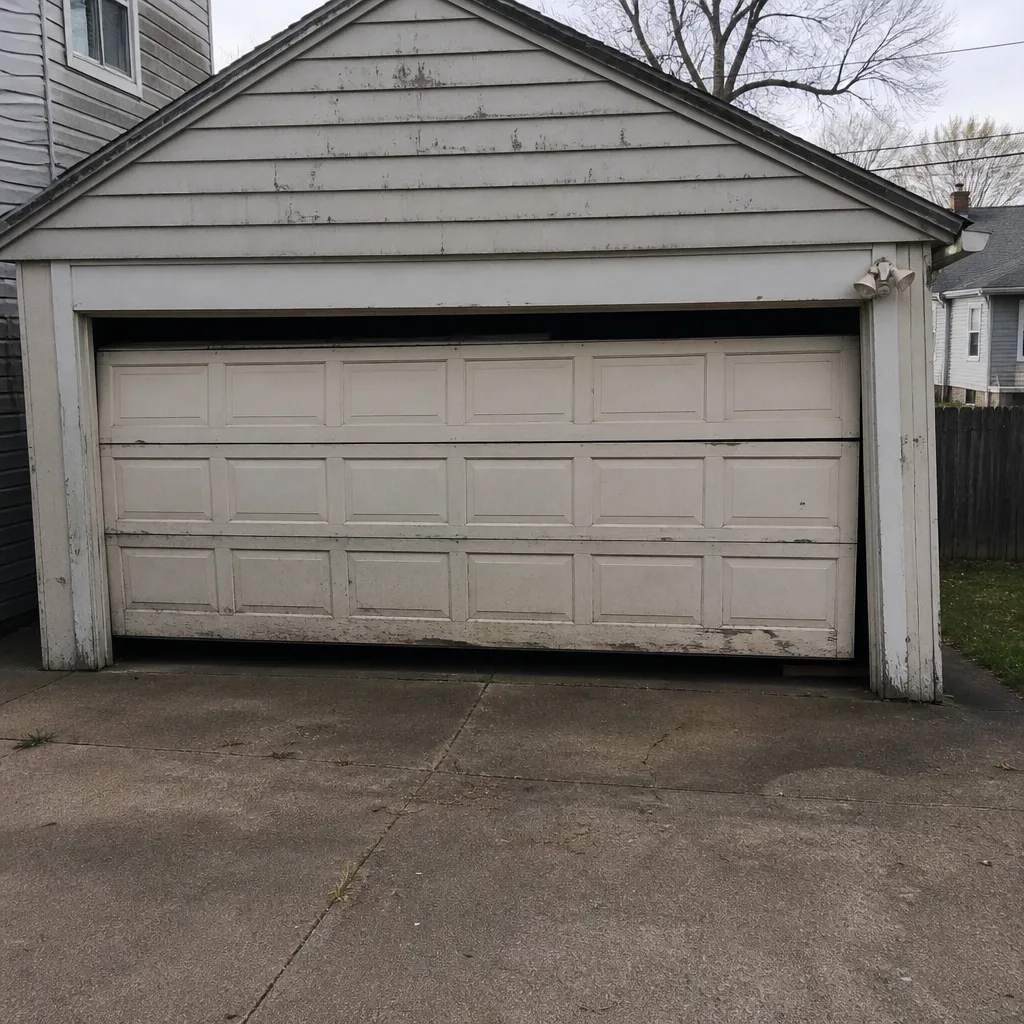 Before
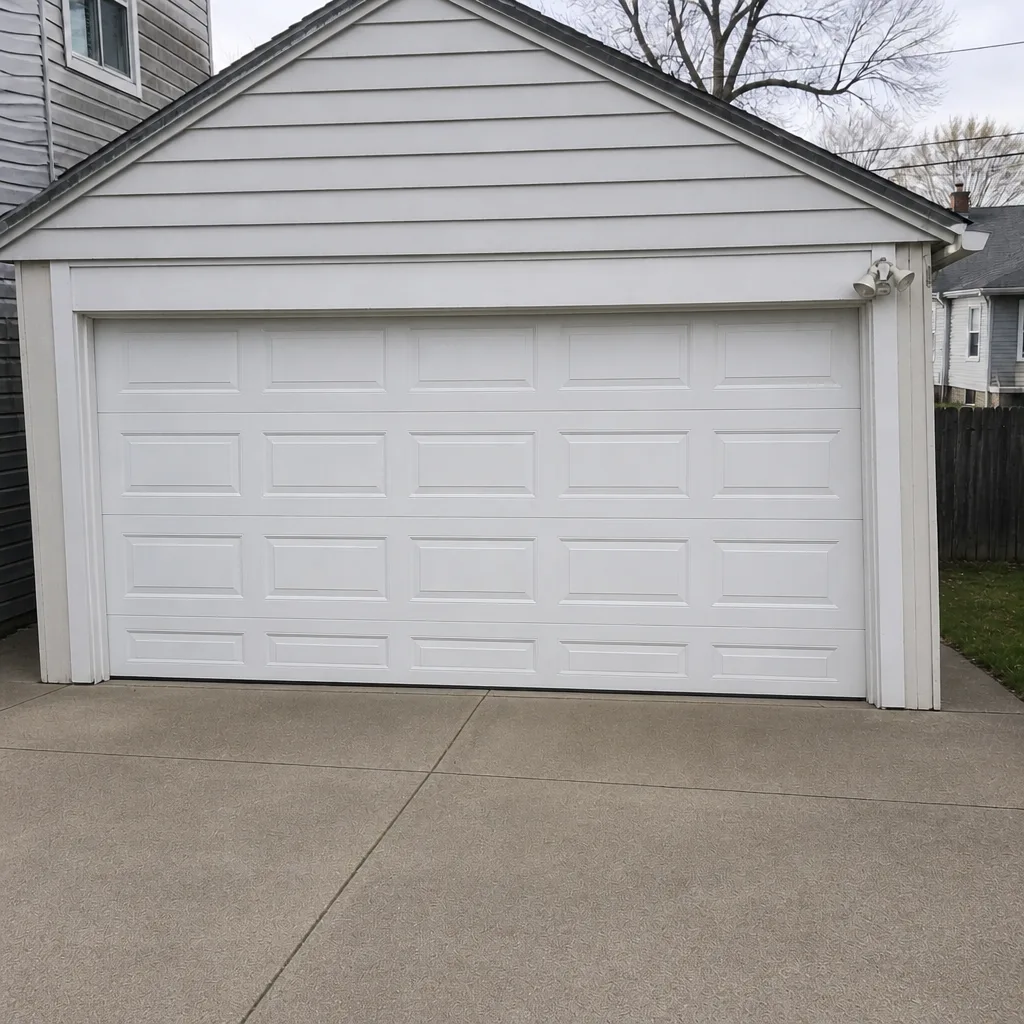 After
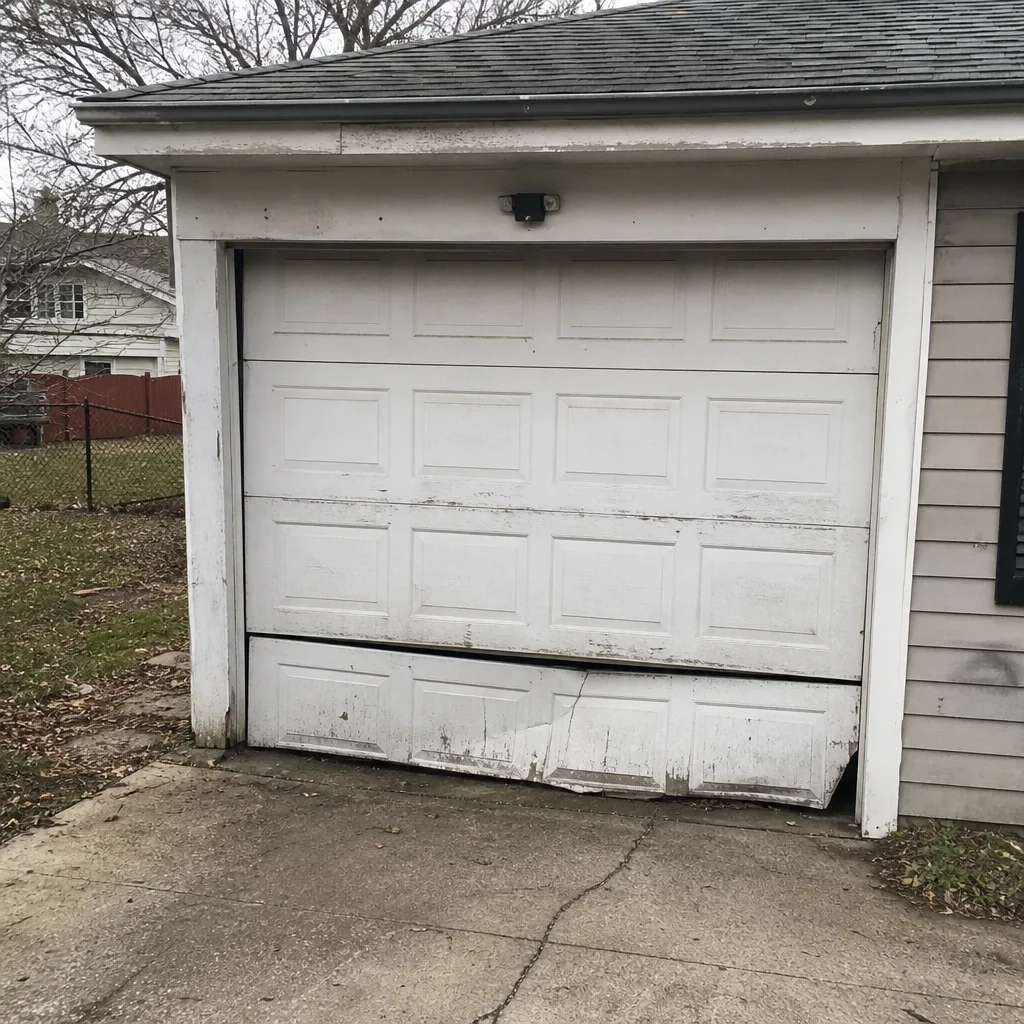 Before
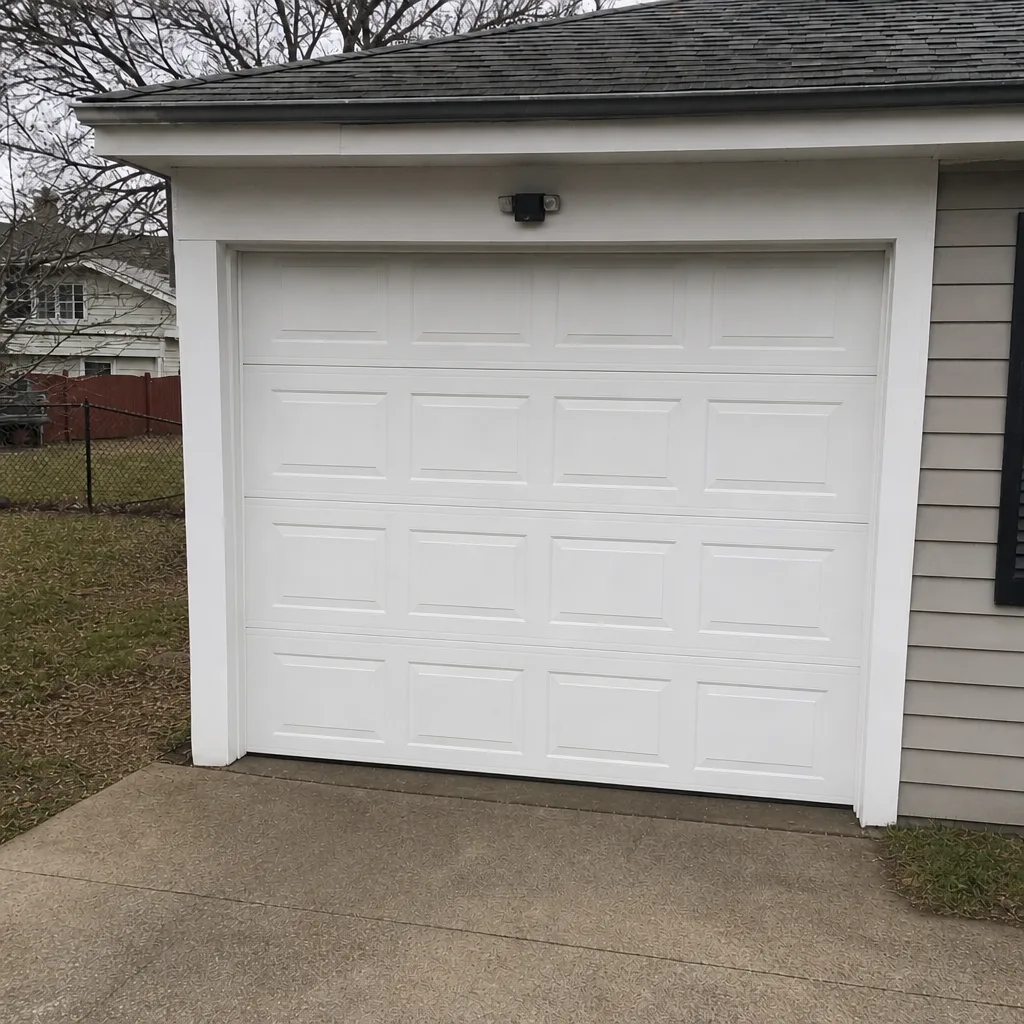 After
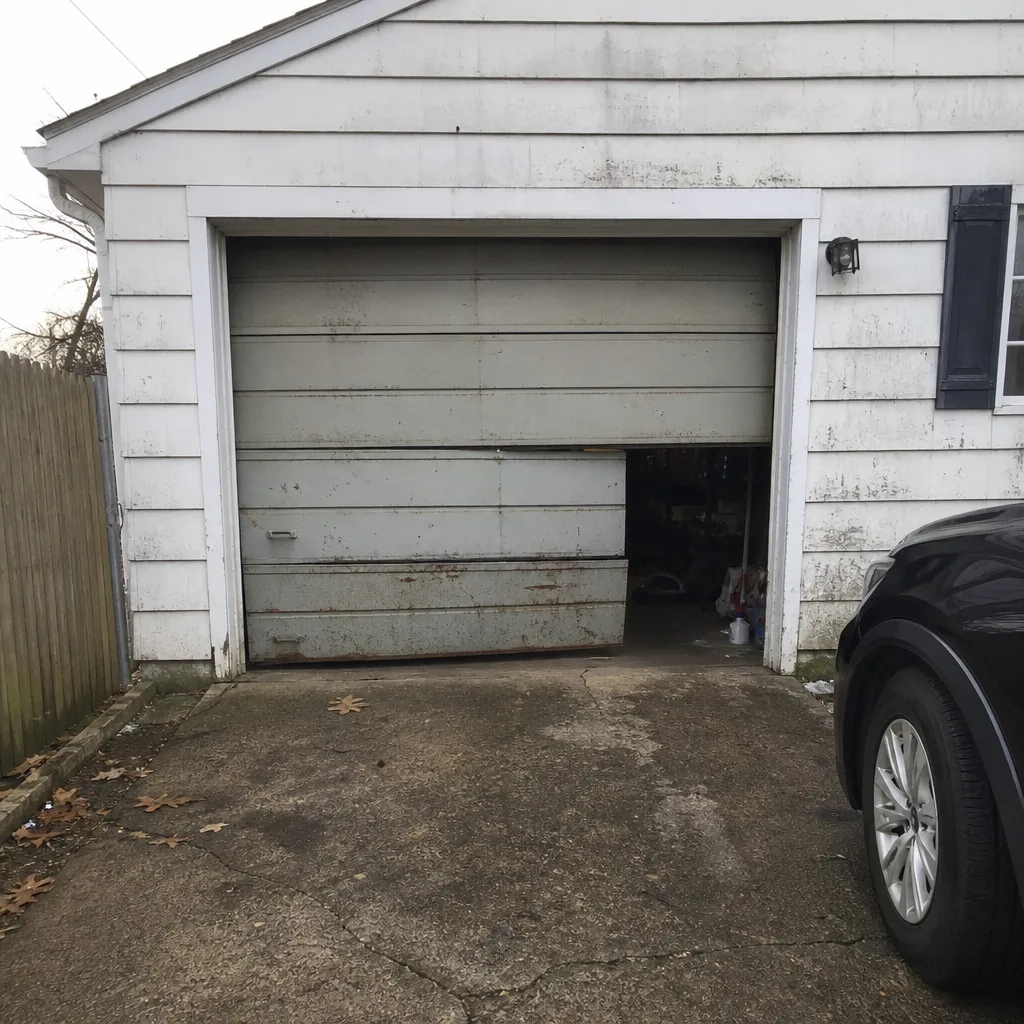 Before
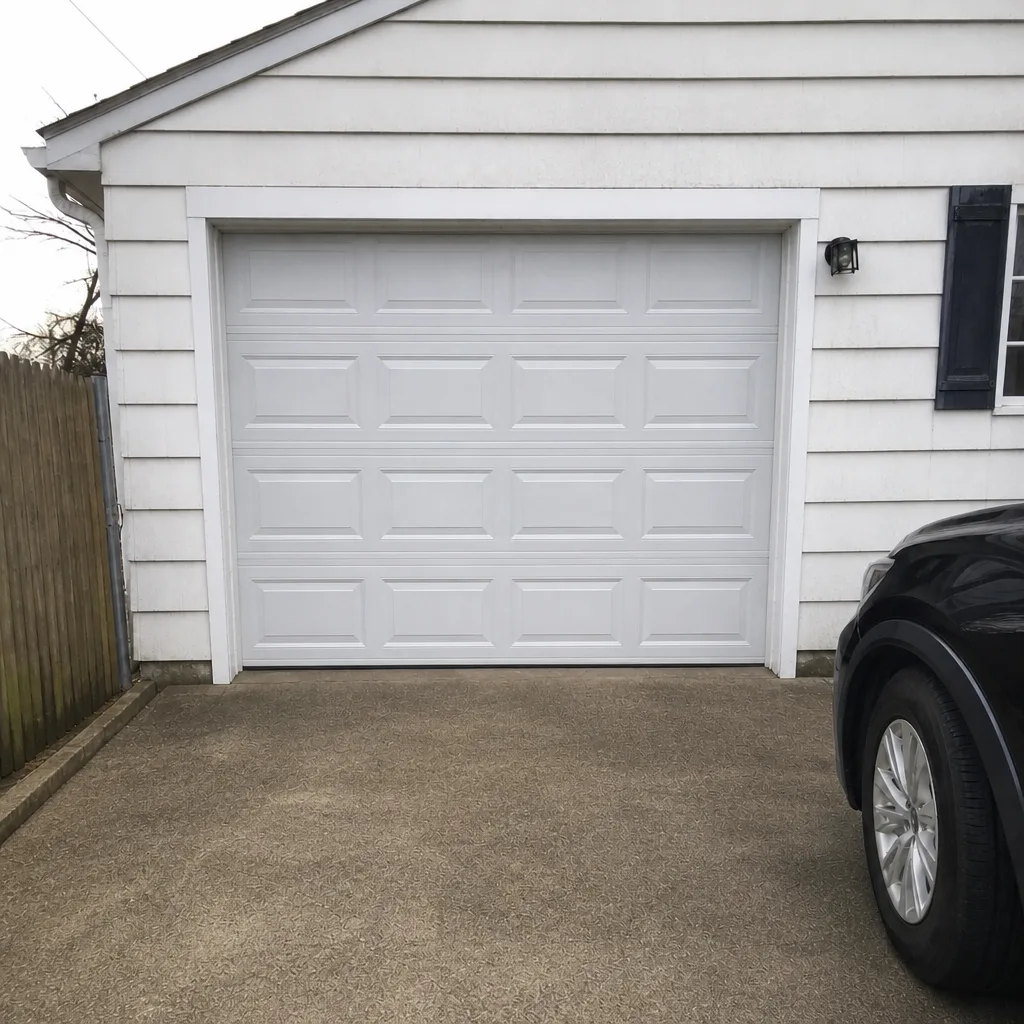 After
When to Call a Professional
The line between a project you can manage and one that needs a pro is clearer than it sounds. Call a professional if the door has stopped moving entirely, if a spring has snapped, if the opener is running but the door isn’t, if the door is binding in the track, if you’re planning a full replacement, or if the city has flagged anything on a permit inspection. Call a professional if you’re unsure whether your project needs a permit and you want a straight answer from someone who does this every week. Call a professional if you’re buying a home in Bridgeport and the inspector has noted an undocumented garage door replacement, because the resolution will go faster with someone who knows what the code expects.
Bridgeport Garage Door Repair Pros offers free estimates in Bridgeport – call (844) 647-0405. We work on Amarr, Wayne Dalton, Craftsman, Raynor, LiftMaster, Chamberlain, Genie, and Clopay systems, and we cover repair, opener repair, spring repair, installation, and emergency service. The price is quoted and agreed before any work starts, and the written estimate sets the final price.
Frequently Asked Questions
Usually not for a like-for-like replacement of an existing door in the same opening, but yes for anything that changes the structure of the opening, the header, or the fire separation between an attached garage and the house. The City of Bridgeport’s building department makes the final call for your specific address, and it’s worth a quick call before you order a door. Call (844) 647-0405 for a free estimate and we’ll help you sort out which category your project falls into.
Permit fees for small residential work in Bridgeport are set by the city, not by the contractor, and the current schedule comes from the building department. Fees are typically modest for a garage door permit, and the cost of skipping one is usually much higher when it turns up during a home sale. Ask the building department for the current fee before the work starts, then call (844) 647-0405 for a free estimate on the door itself.
It can, but usually only if the paperwork wasn’t started early enough. The inspection typically needs to happen at a specific stage of the work, so the key is finding out the sequencing before you order the door. Tell your installer what the building department told you, and the schedule usually works out. Call (844) 647-0405 and we’ll coordinate the installation side with your permit timeline.
The local pro performing the work is licensed and insured as their state requires, and you should ask for the registration number before any work starts. We make it easy to verify. Our technicians have up to 11 years of experience, and we work on all the major brands found in Bridgeport homes, including LiftMaster, Chamberlain, Genie, Clopay, Amarr, Wayne Dalton, Craftsman, and Raynor. Call (844) 647-0405 for a free estimate.
It can delay a sale and give the buyer leverage in negotiations, though it doesn’t usually kill a deal on its own. The bigger issue is what happens when the buyer’s lender or inspector asks for documentation and the record isn’t there. Resolving that during a sale is slower and more stressful than sorting it out beforehand. If you’re selling a Bridgeport home and want the work documented correctly, call (844) 647-0405 for a free estimate on bringing the install up to code.
Handle the break first, then sort out the paperwork. A broken spring, a dead opener, or a door that won’t close is a security and safety issue, and getting a trained technician out to diagnose it matters more than a permit question that can be answered later. Call (844) 647-0405 to arrange garage door opener repair or garage door spring repair in Bridgeport. We answer 24/7, fast dispatch from 7am to 7pm, Sunday through Friday, and the price is quoted and agreed before any work starts.
The Bottom Line
A garage door permit in Bridgeport isn’t usually about the door. It’s about the opening the door sits in and the fire separation between the garage and the house. A like-for-like replacement typically doesn’t need a permit, and simple repairs almost never do. Work that changes the structure, the fire rating, or the framing does, and that work is what shows up during a home inspection years later. Get your opening measured before you assume the job is simple, ask the city’s building department the specific question for your address, keep the paperwork when you get it, and let a licensed pro handle anything involving springs, framing, or the fire separation. The cost of doing it right is small. The cost of a gap in the record is not. For garage door repair, opener repair, spring repair, installation, and emergency service across Bridgeport, Bridgeport Garage Door Repair Pros is here to help. Call (844) 647-0405 for a free estimate. We answer 24/7. Fast dispatch from 7am to 7pm, Sunday through Friday.
Written by the team at Bridgeport Garage Door Repair Pros.